There is a specific rhythm to a South African summer that you only catch when you stop trying to see everything. This two-week loop balances the sharp urban energy of Cape Town with the slow, sun-drenched indulgence of the Winelands.
The wind hits you first. If you arrive in December, the Cape Doctor—the notorious south-easterly gale—will likely be tearing across the tarmac at the airport, bending the palm trees and clearing the smog from the city bowl. It is a sharp, bracing welcome to a place that rarely does things by halves. Crafting a cape town winelands luxury itinerary requires understanding this intensity and knowing when to lean into it, and when to retreat.
Most first-time visitors make the mistake of treating the Western Cape like a checklist. They rush from the cable car to the penguins to the tasting rooms, spending half their holiday in traffic on the M3. The reality is that this region rewards a slower, more deliberate pace. A two-week loop allows you to unpack, settle into the rhythm of the local time zone, and actually taste the wine rather than just photographing the glass.
This is not a guide to seeing everything. It is a blueprint for seeing the right things, in the right order, without exhausting yourself in the process.
The Architecture of a Cape Town Winelands Luxury Itinerary
A successful trip here is built on contrast. You want the sharp, salty energy of the Atlantic Seaboard, the rugged isolation of the deep south peninsula, and the heavy, heat-soaked afternoons of the interior valleys.
I recommend splitting fourteen days into three distinct chapters. Begin with five nights in the city itself, absorbing the restaurants, the galleries, and the mountain. Follow this with three nights on the Cape Peninsula, where the roads narrow and the ocean takes over. Finally, retreat inland for six nights in the Winelands, dividing your time between the oak-lined streets of Stellenbosch and the culinary heavyweight that is Franschhoek.
This structure prevents the fatigue that comes from constant packing and unpacking, while ensuring you experience the distinct microclimates and cultures of the region.
Days 1 to 5: The City Bowl and the Atlantic Seaboard
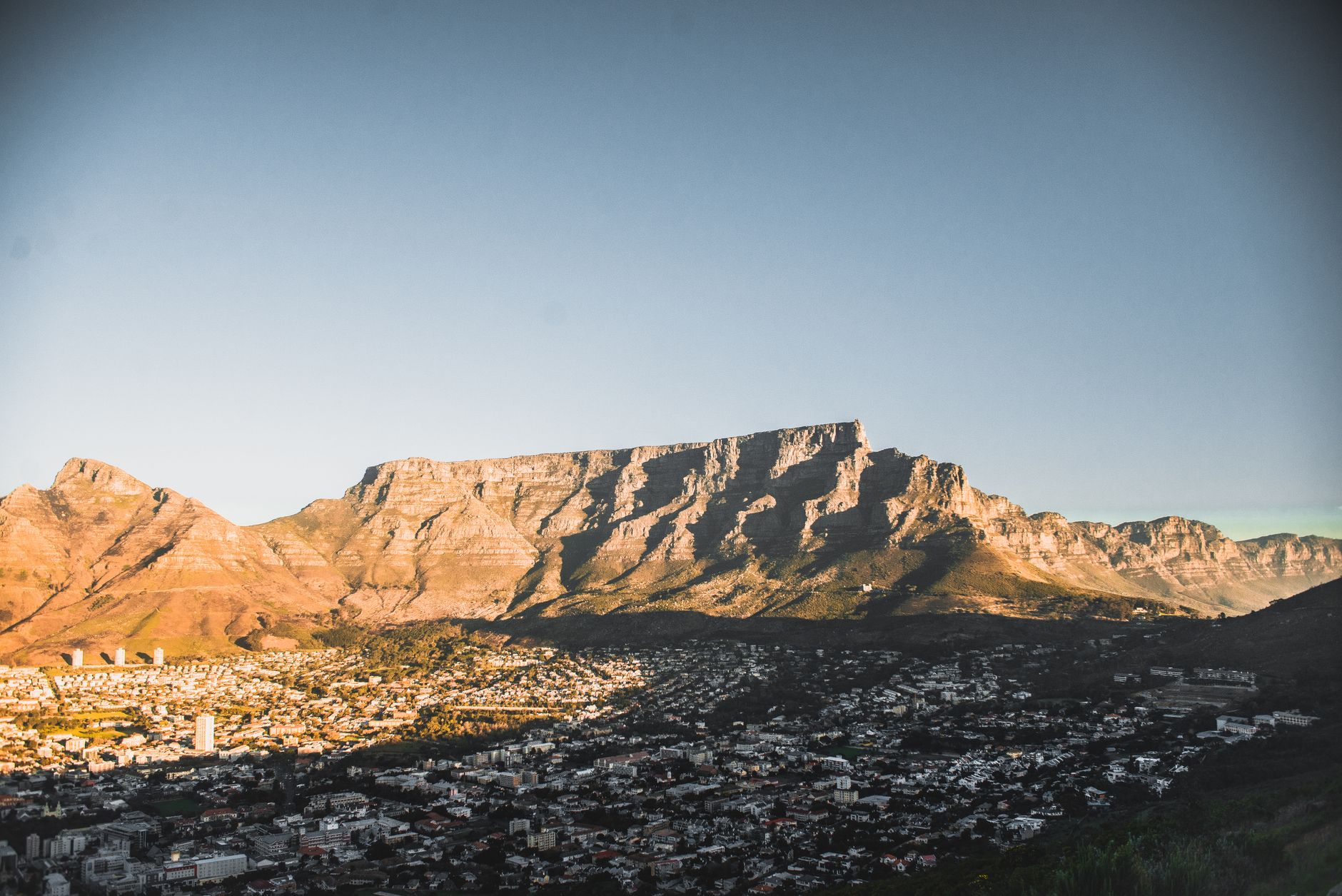
Cape Town is a city defined by its geography. The mountain dictates the weather, the traffic, and the property prices. For your first five nights, you want to be close to the water but insulated from the worst of the wind.
The Atlantic Seaboard—specifically Bantry Bay or Clifton—is the traditional choice for high-end accommodation. The views over the ocean are expansive, and the sunsets are reliably excellent. However, you pay a premium for the postcode, and the traffic along Victoria Road in high summer can be glacial.
Alternatively, consider the upper reaches of Gardens or Oranjezicht in the City Bowl. You lose the immediate ocean frontage, but you gain altitude, spectacular views of the city lights, and walking access to some of the best independent restaurants on Kloof Street.
Spend your mornings actively. Hike Lion's Head at dawn before the heat sets in, or take the early cable car up Table Mountain. By midday, retreat to your hotel pool or book a long, lazy lunch at a coastal restaurant. The water here is freezing—roughly thirteen degrees Celsius—so swimming in the ocean is a brief, shocking affair rather than a leisurely activity.
Evenings in the city should be dedicated to the food scene, which punches well above its weight globally. Bookings at places like Fyn or La Colombe need to be secured months in advance. Expect to pay around $100 to $150 per person for a tasting menu with wine pairings—exceptional value compared to equivalent dining in London or New York.
Days 6 to 8: The Cape Peninsula
After the urban intensity of the city, drive south. The Cape Peninsula is a narrow finger of rock pointing towards Antarctica, flanked by the cold Atlantic on one side and the slightly warmer False Bay on the other.
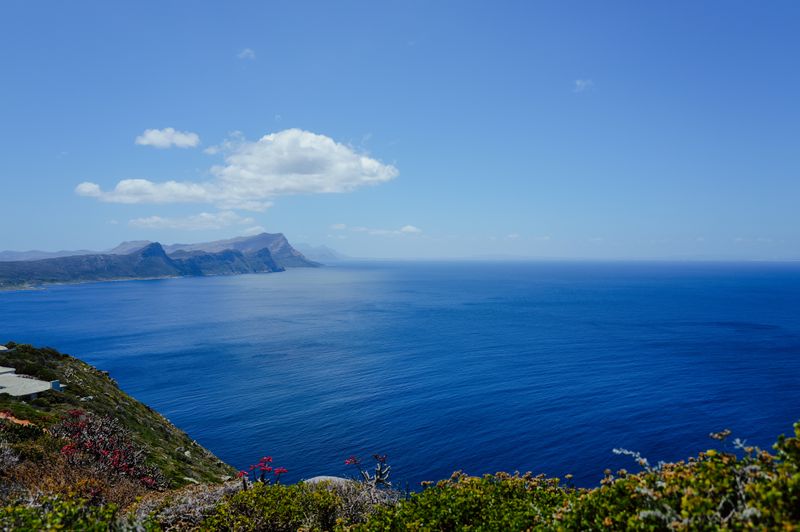
Photo by Adrien Olichon on Pexels
This is where you need your own vehicle. The drive along Chapman's Peak is genuinely remarkable, a ribbon of tarmac cut into the sheer cliff face. Take it slowly, stop at the viewpoints, and watch for whales if you are travelling between August and November.
Base yourself in Kalk Bay or St James on the False Bay coast. These villages have a faded, bohemian charm, with antique shops, excellent bakeries, and tidal pools built into the rocks. The pace here is noticeably slower.
Dedicate a full day to exploring the Cape of Good Hope Nature Reserve. Arrive when the gates open to avoid the tour buses, and hike the trails down to Diaz Beach. The wind here can be ferocious, but the sheer scale of the cliffs and the empty ocean is compelling. On your way back, stop at Boulders Beach to see the penguins, but skip the main boardwalk. Instead, pay the entrance fee for the adjacent Willis Beach, where you can often sit on the sand with the birds wandering past you.
Days 9 to 14: Stellenbosch and Franschhoek
The final chapter of your cape town winelands luxury itinerary takes you inland. The temperature rises noticeably as you cross the flats and enter the valleys. The landscape shifts from coastal scrub to neat, geometric rows of vines backed by jagged, grey mountains.
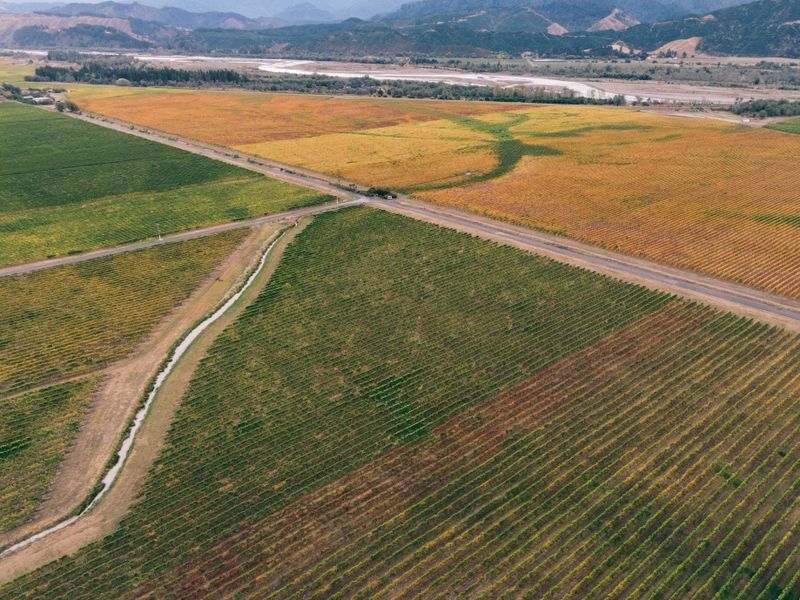
Divide your time here. Spend three nights in Stellenbosch, a university town with a core of preserved Cape Dutch architecture. The wine estates here are large, historic, and produce some of the best Cabernet Sauvignon in the southern hemisphere. Look for accommodation on a working farm just outside the town centre, where you can wake up to the sound of tractors and the smell of damp earth.
For your final three nights, move to Franschhoek. This is a much smaller, more manicured village, heavily focused on high-end gastronomy. The main street is lined with galleries and restaurants, and the surrounding estates produce excellent Cap Classique (the local equivalent of Champagne).
When planning your days in the Winelands, less is more. Do not attempt to visit more than two estates in a day. Book a formal tasting in the morning, followed by a long, multi-course lunch at a different farm. Spend the late afternoon reading by the pool. The heat in January and February can push past thirty-five degrees Celsius, making ambitious sightseeing uncomfortable.
Comparing the Winelands Bases
Choosing where to stay inland dictates the tone of your final week. Here is how the main options compare:
| Area | Best For | Vibe | Approximate Nightly Rate (USD) |
|---|---|---|---|
| Franschhoek | Fine dining and walking between restaurants | Manicured, wealthy, slightly artificial | $400 - $800+ |
| Stellenbosch | Historic estates and serious red wines | Academic, sprawling, authentic | $250 - $600 |
| Hemel-en-Aarde | Pinot Noir and coastal proximity | Quiet, agricultural, maritime | $200 - $450 |
| Constantia | Short trips and Sauvignon Blanc | Suburban, leafy, convenient | $300 - $700 |
The Reality Check: What I Would Skip
Not everything in the Western Cape deserves your time. I consistently advise clients to skip the V&A Waterfront for dining. It is a highly functional shopping centre and a useful departure point for Robben Island, but the restaurants lining the harbour are overpriced and cater almost exclusively to tourists. Eat in the City Bowl instead.
I also suggest avoiding the Franschhoek Wine Tram. While it sounds charming in theory, in practice it is a crowded, noisy hop-on-hop-off bus on rails, filled with large groups drinking heavily. If you want to taste wine properly, hire a private driver or book a curated tour with a local sommelier who can get you into the smaller, appointment-only cellars.
Finally, reconsider the urge to drive the Garden Route if you only have two weeks. Adding a five-hour drive to Knysna or Plettenberg Bay means you will spend a significant portion of your holiday looking at the back of a truck on the N2 highway. Save the Garden Route for a separate trip.
Practicalities: When to Go and How to Navigate
Timing is everything. The peak summer season runs from mid-December to late February. The weather is hot and dry, but the crowds are thick, and prices are at their highest. The wind, particularly in December and January, can be relentless, frequently closing the Table Mountain cable car and making beach days unpleasant.
I prefer the shoulder seasons. November offers long, mild days and the last of the spring greenery. March and April are arguably the best months of all—the wind drops, the harvest is underway in the Winelands, and the ocean is as warm as it ever gets.
Photo by Taryn Elliott on Pexels
When it comes to transport, a hybrid approach works best. Rent a premium SUV for the peninsula and the drive out to the Winelands. The roads are generally excellent, though you should watch for potholes on secondary routes. However, when you are staying in the City Bowl, leave the car parked. Uber is cheap, reliable, and safe, and it saves you the considerable hassle of finding parking near popular restaurants.
Safety is a common concern, and it requires a pragmatic approach. South Africa has high crime rates, but violent crime rarely affects tourists who exercise basic common sense. Do not walk around the city centre or empty beaches at night. Keep your car doors locked while driving, and do not leave any valuables visible in a parked vehicle. If you stick to the main routes and take Ubers after dark, your risk is minimal.
You will also need to navigate load-shedding—the country's system of rolling blackouts. While it sounds alarming, the reality for luxury travellers is usually just a brief flicker of the lights before the hotel's generator kicks in. However, it is essential to confirm that your chosen accommodation has full backup power, including air conditioning, before you book.
The Final Verdict
A cape town winelands luxury itinerary is not about ticking off landmarks; it is about sinking into a specific, indulgent lifestyle for a fortnight.
If I were booking this trip for myself tomorrow, I would secure a villa in Oranjezicht for the city segment, giving me space and views away from the coastal traffic. I would then spend three nights at a small guesthouse in Kalk Bay, eating fresh fish and walking the coastal paths. Finally, I would retreat to a working wine farm in the Banhoek Valley outside Stellenbosch, where the mountains turn purple at dusk and the only sound is the wind in the oaks.
Take it slowly, book your restaurants well in advance, and let the landscape dictate the pace.
Closing Thoughts
The Western Cape is a destination that rewards careful planning and a willingness to deviate from the standard tourist trail. By structuring your two weeks to balance the urban, the coastal, and the agricultural, you ensure a trip that feels both expansive and deeply relaxing. It is a corner of the world that, once understood, has a habit of drawing you back year after year.
Questions we get asked
Before you book
- Is it safe to self-drive in Cape Town and the Winelands?
- Yes, the main routes around the Cape Peninsula and out to Stellenbosch and Franschhoek are well-maintained and generally safe during daylight hours. Stick to major roads, keep doors locked, and avoid driving at night outside of well-lit urban areas.
- How many days do you need for Cape Town and the Winelands?
- A two-week trip is ideal. I recommend spending five to seven days in Cape Town itself, three to four days in the Winelands, and the remainder exploring the coastal towns or adding a short safari.
- What is load-shedding in South Africa?
- Load-shedding is scheduled rolling blackouts used to manage the national power grid. Most luxury hotels and restaurants have backup generators or solar power, so it rarely impacts the premium travel experience, but it is worth confirming before you book.
Some links in this guide are affiliate links. If you book through them we may earn a commission at no extra cost to you — it never changes what we recommend. Read our disclosure.