Europe's oldest demarcated wine region is also its most dramatic. Here is how to navigate the Douro Valley's winding roads, historic quintas, and intense summer heat without losing your mind.
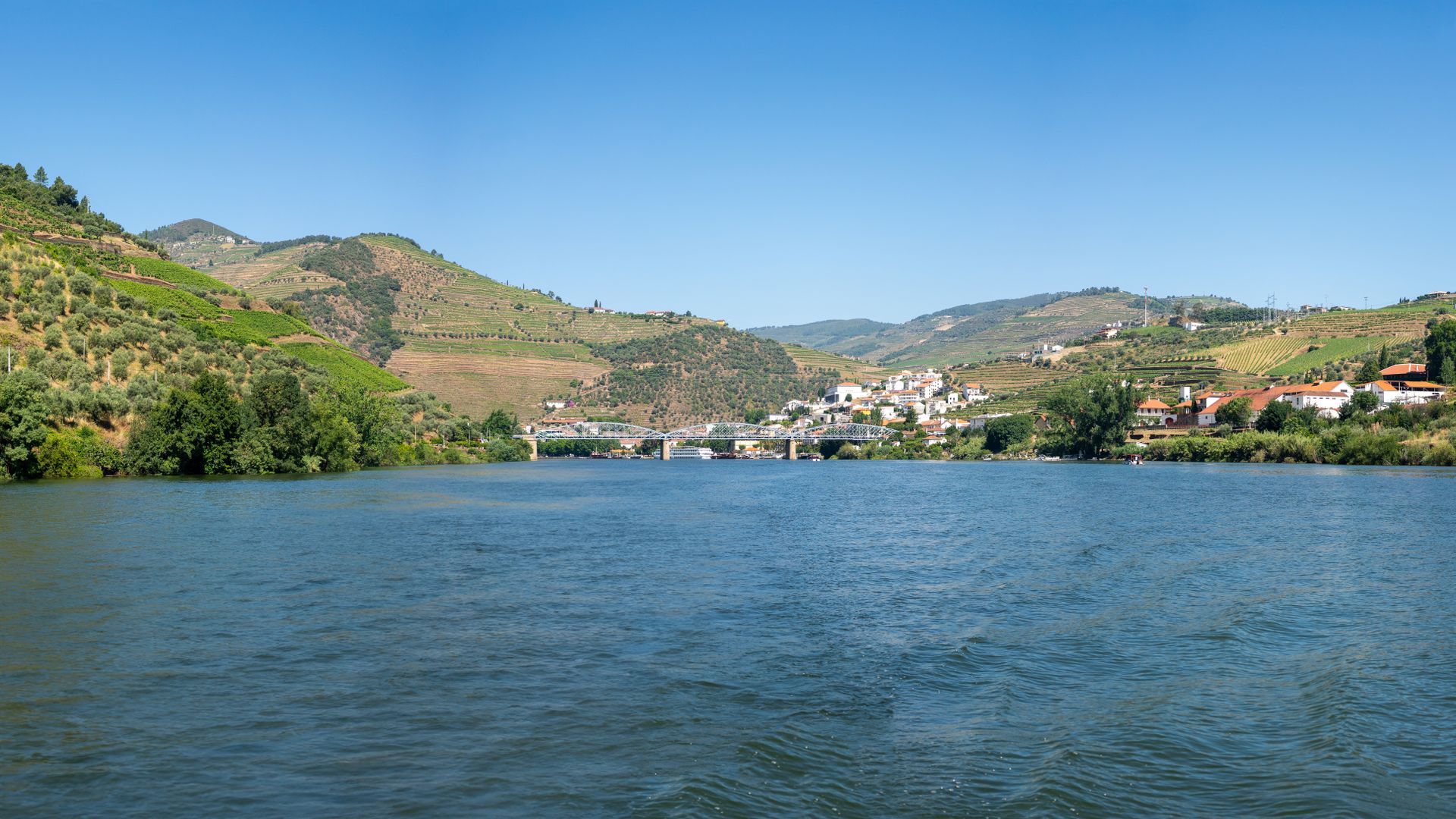
I am sitting on a stone terrace high above the Douro River, watching the late afternoon sun turn the terraced vineyards a deep, bruised purple. A glass of chilled white port sits on the iron table in front of me, condensation pooling at its base. The only sound is the faint, mechanical hum of a tractor working a near-vertical slope across the water. This is not Tuscany, where every cypress-lined driveway feels curated for a magazine spread, nor is it Bordeaux, with its flat, aristocratic formality. The Douro is rugged, steep, and unapologetically agricultural. It is also home to some of the most compelling douro valley luxury wine hotels in Europe, offering a level of quiet, unpretentious hospitality that is becoming increasingly rare.
For years, the Douro was treated merely as a day trip from Porto. Visitors would take the morning train, drink a few glasses of port, and return to the city before dinner. But as the region's unfortified table wines have gained international recognition, the infrastructure has slowly evolved. Today, you can spend a week here without running out of exceptional places to eat, drink, or sleep. Yet, despite this evolution, it remains remarkably grounded. You will still find yourself stuck behind a slow-moving truck loaded with grapes, and you will still need to navigate roads that seem to defy the laws of physics.
Why the Douro is Europe's Best-Value Wine Region
When I look at the pricing for top-tier accommodation in Burgundy or Piedmont, I often wince. The European luxury market has seen a staggering inflation over the past five years, with entry-level rooms at marquee properties routinely crossing the four-figure mark. The Douro, by contrast, still feels like a secret you are getting away with.
Here, a suite in a meticulously restored 18th-century manor house, complete with sweeping river views and a breakfast spread that includes local cheeses and freshly baked pastéis de nata, will often cost less than a standard room in a mid-range hotel in Florence.
But value is not just about the price tag; it is about what you get for your money. In the Douro, luxury is defined by space, silence, and access. It is the luxury of sitting down with the winemaker who actually blended the vintage you are drinking, rather than a polished hospitality manager reciting a script. It is the luxury of waking up to a view that has remained largely unchanged for three centuries. This authenticity is the region's greatest asset, and it is the reason I return year after year.
The Great Debate: Historic Quintas vs. Design Hotels
When choosing where to stay, you are generally faced with two distinct categories of douro valley luxury wine hotels: the historic quintas (traditional wine estates) and the contemporary design hotels. Both have their merits, but they offer entirely different experiences.
The historic quintas are the soul of the Douro. These properties have been producing wine for generations, and their guest rooms are often housed in converted farm buildings or the family's original manor. Staying at a quinta means embracing a certain rustic elegance. The floorboards might creak, the plumbing might be idiosyncratic, but the atmosphere is irreplaceable. You are a guest in a working agricultural estate, and the rhythm of your days will be dictated by the vineyard.
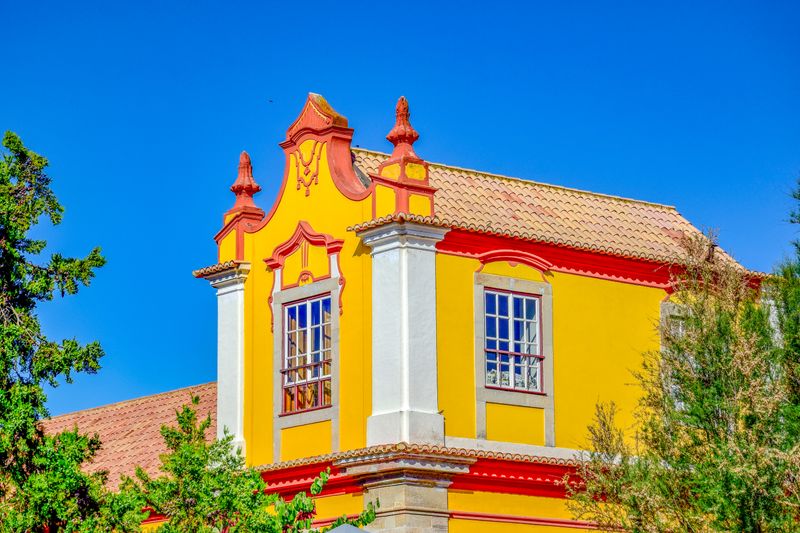
Photo by Emilio Sánchez Hernández on Pexels
On the other hand, the last decade has seen the arrival of several sleek, purpose-built luxury hotels. These properties offer the kind of frictionless comfort that some travelers demand: expansive spas, infinity pools that blend seamlessly into the river, and climate control that actually works during the punishing summer months. They are visually striking, often utilizing local schist and glass to frame the landscape, but they can sometimes feel a bit detached from the dirt and sweat of the wine production happening all around them.
| Property Type | Best For | Vibe | Approximate Nightly Rate |
|---|---|---|---|
| Historic Quinta | Wine purists, romantic escapes | Authentic, rustic, intimate | €250 - €450 |
| Design Hotel | Spa seekers, modern luxury | Sleek, frictionless, resort-style | €400 - €800 |
| Boutique Guesthouse | Budget-conscious luxury | Personal, cozy, village-based | €150 - €250 |
If you want my honest opinion, I always lean toward the quintas. The minor inconveniences are a small price to pay for the character and history they provide. However, if you are traveling in August, when temperatures routinely exceed 40 degrees Celsius (104 Fahrenheit), the reliable air conditioning and massive pools of the modern resorts become very persuasive arguments.
Navigating the Valley: River Cruise, Train, or Driving
Getting around the Douro requires a strategy. The region is defined by the river, which snakes its way through deep gorges, and the roads that cling precariously to the hillsides.
The historic train line that runs from Porto to Pocinho is undeniably romantic. The stretch between Régua and Pinhão, where the tracks run right along the water's edge, is one of the great railway journeys of Europe. It is a brilliant way to arrive in the valley, completely bypassing the stress of navigating out of Porto. However, once you arrive at the station, you are stuck. The best douro valley luxury wine hotels and tasting rooms are located high up in the hills, far from the train line. You will need to rely on expensive and sometimes scarce local taxis to get anywhere.
Driving gives you the ultimate freedom, but it is not for the faint of heart. The roads here are a masterclass in hairpin turns, blind corners, and steep gradients. I have driven these roads dozens of times, and I still find my knuckles turning white when a local delivery van comes hurtling toward me on a single-lane track. If you are a confident driver, renting a car is the best way to explore the hidden corners of the valley. Just make sure you rent an automatic—you do not want to be managing a clutch on a 20-percent incline.
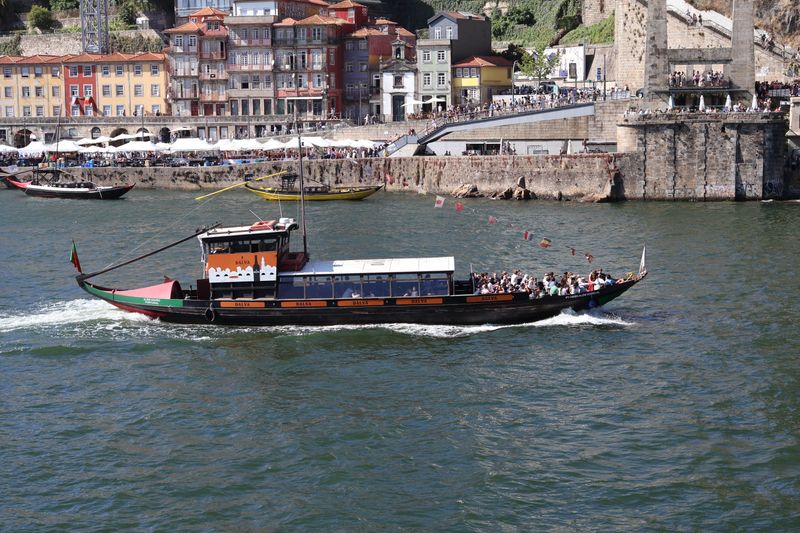
Photo by Travel Photographer on Pexels
Then there is the river itself. Large river cruise ships have become increasingly popular, offering multi-day itineraries from Porto. While they provide a comfortable, unpack-once experience, I find them too isolating. You are observing the valley from behind glass, moving in a large group, and dining on the ship rather than in the local villages. A far better approach is to base yourself on land and charter a small, private vintage boat for a few hours. Drifting down the river with a picnic of local cured meats and a bottle of crisp Rabigato is a profoundly peaceful experience.
The Reality of the Harvest Season
September is the most famous time to visit the Douro. This is the vindima, the grape harvest, and the valley is alive with activity. The smell of fermenting must hangs heavy in the air, tractors rumble down the roads at all hours, and many estates offer guests the chance to participate in the traditional foot-treading of the grapes in large granite lagares.
It is an incredibly atmospheric time to be here, but it is also the most challenging. The best douro valley luxury wine hotels are booked solid six to eight months in advance, and prices are at their absolute peak. If you do choose to come in September, you must plan meticulously. Secure your accommodation and dining reservations early, and manage your expectations regarding the pace of service. The region is operating at maximum capacity, and things will occasionally go wrong. Embrace the chaos, drink the wine, and do not expect everything to run on a Swiss timetable.
Personally, I prefer late October or early November. The harvest is finished, the frantic energy has dissipated, and the vineyards turn a brilliant, fiery gold. The weather is crisp enough to justify a fire in the evening, but still warm enough to sit outside during the day. It is the Douro at its most reflective.
What I Would Skip
I promised you honesty, so here it is: skip the town of Peso da Régua. Often referred to simply as Régua, it is the largest town in the valley and serves as the main commercial hub. While it has a decent museum dedicated to the history of the region, the town itself is heavily trafficked, architecturally uninspiring, and lacks the charm of the smaller villages further upriver.
I would also advise against trying to visit more than two wineries in a single day. The distances look short on a map, but the winding roads mean that a ten-kilometer journey can easily take forty-five minutes. Rushing from tasting to tasting turns what should be a leisurely exploration into a stressful logistical exercise. Pick one estate for the morning, enjoy a long lunch, and perhaps visit a second in the late afternoon.
Practicalities: When to Go and How to Pair with Porto
The Douro Valley experiences extremes of temperature. Summer (July and August) is brutally hot, with temperatures frequently topping 40 degrees Celsius. The heat radiating off the schist soil is intense, and outdoor activities between noon and 5:00 PM are largely out of the question. If you must visit in summer, ensure your hotel has a substantial pool and plan your tastings for the early morning.
Most trips to the Douro begin or end in Porto, and the two destinations complement each other perfectly. I recommend spending three nights in Porto to absorb the city's gritty, creative energy, explore the historic port lodges in Vila Nova de Gaia, and eat at some of the excellent contemporary restaurants that have opened in recent years. Then, rent a car or hire a driver and head east into the valley for another three or four nights of rural tranquility.
The Final Verdict
The Douro Valley requires a bit of effort. It asks you to navigate difficult roads, endure extreme weather, and accept a pace of life that is entirely dictated by agriculture. But the rewards for that effort are immense. It remains one of the few places in Western Europe where you can still feel a genuine connection to the land and the people who work it, without sacrificing comfort or sophistication.
If I were booking a trip today, I would secure a room at one of the historic quintas near Pinhão for the third week of October. I would hire a private driver for the days I wanted to explore the higher-altitude vineyards, and I would spend at least one full afternoon doing absolutely nothing but sitting on a terrace, watching the river flow past, with a glass of something old and complex in my hand. That, to me, is the ultimate luxury.
Questions we get asked
Before you book
- How many days do you need in the Douro Valley?
- Three nights is the sweet spot. This gives you enough time to settle into a quinta, spend a day wine tasting, and take a slow boat ride on the river without feeling rushed.
- Is it better to drive or take the train to the Douro Valley?
- The train from Porto to Pinhão is beautiful and stress-free, but you will need a car or a hired driver to reach most vineyards and hotels, which are located high up in the hills.
- When is the grape harvest in the Douro Valley?
- The harvest typically happens in September. It is the most atmospheric time to visit, but also the busiest and most expensive. Book at least six months ahead.
Some links in this guide are affiliate links. If you book through them we may earn a commission at no extra cost to you — it never changes what we recommend. Read our disclosure.