The best way to experience Tuscany is to stay put. Renting a villa on a working wine estate changes the rhythm of your days from a frantic checklist to a slow, deliberate indulgence.
The most common mistake people make when planning a trip to central Italy is treating it like a scavenger hunt. They book two nights in Florence, two nights in Siena, a night in San Gimignano, and perhaps a rushed afternoon in Montepulciano. They spend half their holiday packing, unpacking, and dragging suitcases over uneven cobblestones. It is an exhausting way to travel, and it entirely misses the point of the region. The true appeal of this part of the world reveals itself only when you stop moving. If you want to understand the rhythm of the place, you need to anchor yourself in a tuscany luxury villa wine country setting and let the days unfold at a slower pace.
Waking up in the same bed for a week changes your relationship with the landscape. Instead of rushing to the next town to check off a list of sights, your biggest decision becomes whether to have your morning espresso on the terrace overlooking the olive groves or down in the kitchen while the local bakery delivery arrives. You learn the hours of the village grocer. You figure out which local trattoria serves the best wild boar ragù on a Tuesday. You actually have time to sit by the pool and read a book, rather than feeling guilty that you are not inside a museum.
The Case for Staying Put in Tuscany's Wine Country
Renting a villa or taking a suite on a working wine estate is not just about having more space; it is about accessing a different kind of hospitality. Hotels, even excellent ones, are transient spaces designed for turnover. A private villa, particularly one attached to a vineyard, offers a sense of permanence. You are stepping into a functioning agricultural ecosystem. In September, you might hear the tractors bringing in the harvest before dawn. In November, the air smells sharply of pressed olives.
When you book a tuscany luxury villa wine country experience, you are buying time. Time to cook a meal using tomatoes that actually taste like tomatoes, time to open a bottle of Sangiovese you bought directly from the winemaker that afternoon, and time to watch the light change across the hills without needing to be anywhere else. The estates that have converted their historic outbuildings into guest accommodations often strike a brilliant balance between rustic authenticity and modern comfort. You get the terracotta floors and the exposed wooden beams, but you also get reliable air conditioning and water pressure that does not reduce to a trickle when someone flushes a toilet in the next building.
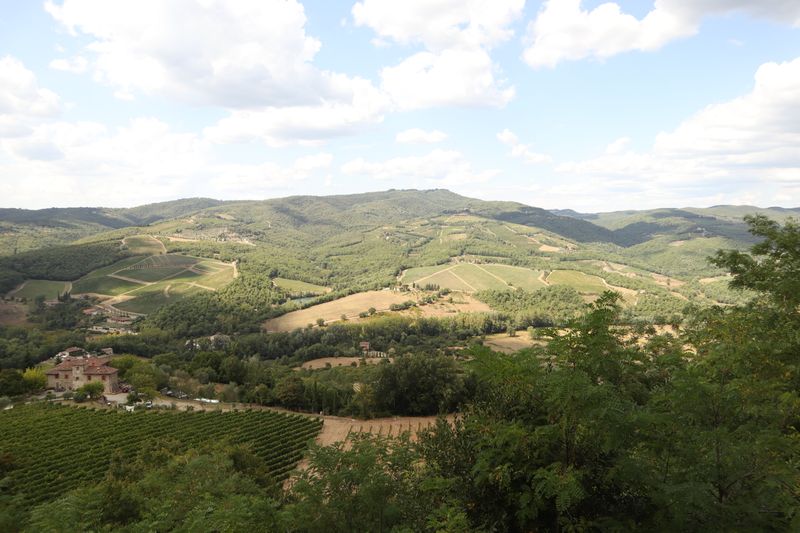
Photo by kay de vries on Pexels
The key is to find a property that matches your tolerance for isolation. Some estates are a ten-minute walk from a village where you can buy fresh bread and a newspaper. Others require a twenty-minute drive down a rutted dirt track just to reach the nearest paved road. Both have their merits, but you need to know which one you are signing up for before you hand over your credit card.
Choosing Your Region: Chianti, Val d'Orcia, Maremma or Bolgheri
Tuscany is vast, and its sub-regions are distinct in character, landscape, and wine production. Choosing where to base yourself is the most important decision you will make.
Chianti is the classic choice, specifically the Chianti Classico zone between Florence and Siena. This is the landscape of dense oak forests, steep vineyards, and medieval stone villages. It is undeniably beautiful, but it is also the most developed for tourism. The roads are winding, the restaurants are accustomed to English speakers, and the wine estates are highly polished. If you want convenience and classic Tuscan aesthetics, look around Greve, Panzano, or Castellina. Expect to pay a premium for the location.
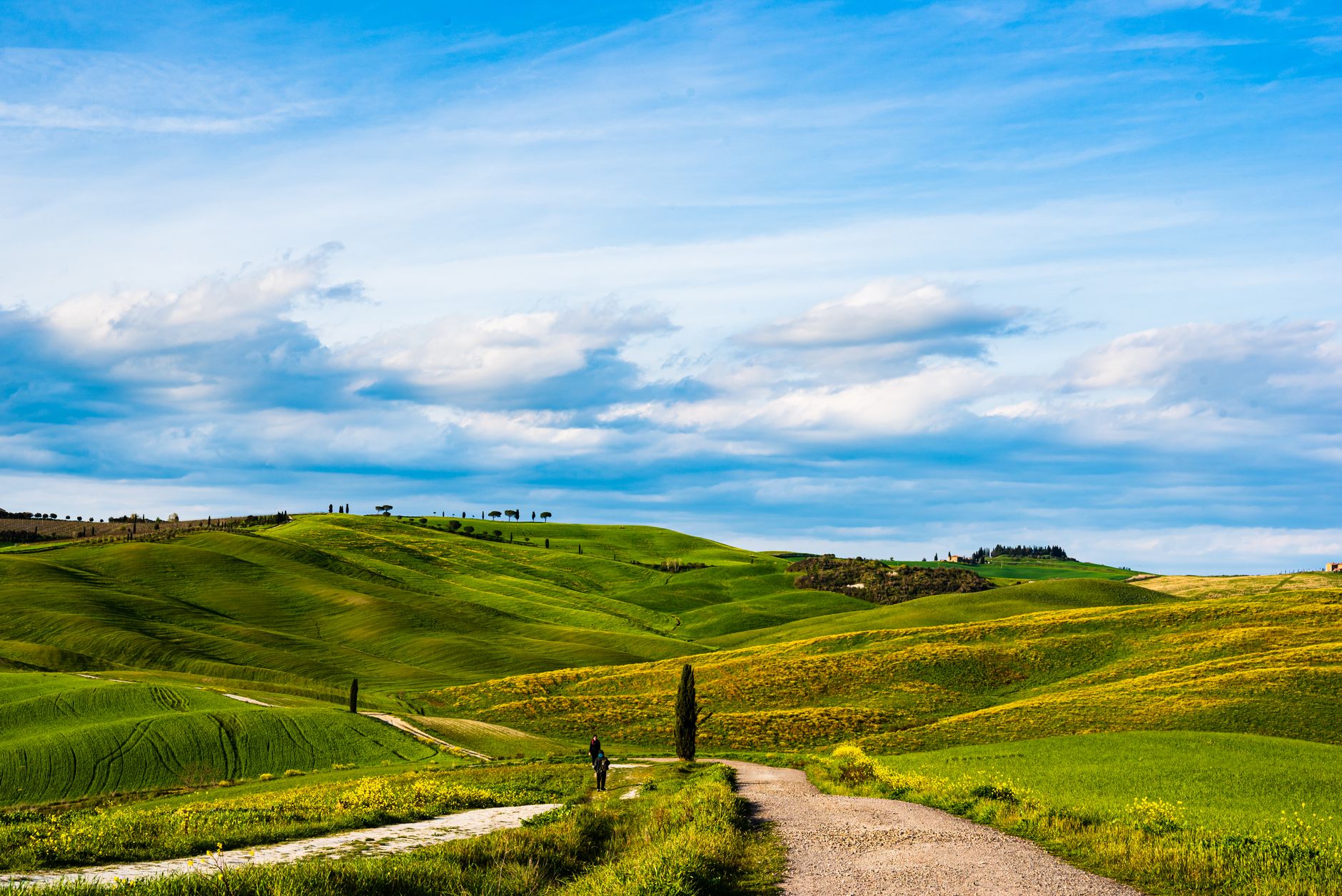
Further south, the Val d'Orcia offers the sweeping, cinematic landscapes that most people picture when they think of the region. This is where you find the rolling wheat fields, the isolated farmhouses flanked by cypress trees, and the towns of Pienza and Montalcino. The light here is different—softer, more golden. The wine focus shifts from Chianti to Brunello di Montalcino, a heavier, more serious wine. The Val d'Orcia feels more open and agricultural than Chianti, but it is equally popular, particularly with photographers who line the roads at dawn.
If you want to escape the heaviest crowds, look to the Maremma in the southwest. This is the wilder, flatter coastal region, historically a swampy area inhabited by butteri (Italian cowboys). Today, it offers a quieter, more rugged experience. The wines here, particularly the Morellino di Scansano, are excellent and often better value than their famous northern neighbours. The Maremma is for those who prefer empty beaches, pine forests, and a slightly rougher edge to their luxury.
Finally, there is the Bolgheri coast, a narrow strip of land running parallel to the Tyrrhenian Sea. This is the home of the Super Tuscans—wines like Sassicaia and Ornellaia that broke the traditional rules and commanded international attention. The landscape is flatter, dominated by the famous Viale dei Cipressi, a three-mile avenue lined with ancient cypress trees. Bolgheri is wealthy, manicured, and heavily focused on high-end wine tourism. It lacks the dramatic hills of the interior, but it makes up for it with proximity to the sea and some of the most prestigious cellars in Italy.
| Region | Best For | Vibe | Approximate Nightly Price (Villa for 4) |
|---|---|---|---|
| Chianti Classico | First-timers, classic wine tours | Polished, forested, convenient | €400 - €800 |
| Val d'Orcia | Photographers, Brunello lovers | Cinematic, open, agricultural | €450 - €900 |
| Maremma | Escaping crowds, coastal access | Rugged, quiet, better value | €250 - €500 |
| Bolgheri | Super Tuscan collectors, sea breezes | Wealthy, flat, prestigious | €500 - €1,000 |
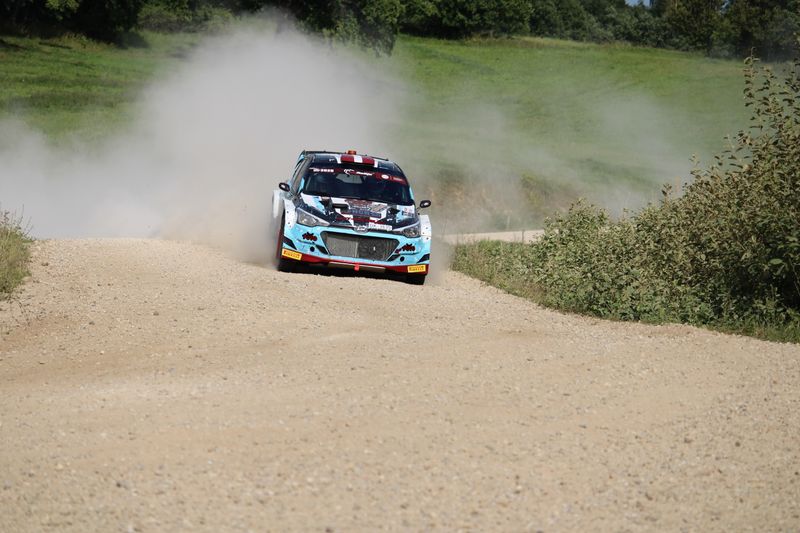
Photo by Rasa Vilciņa on Pexels
The Reality of Driving: Strade Bianche and ZTL Fines
You cannot properly experience a tuscany luxury villa wine country trip without a car. Relying on trains and buses will restrict you to the major towns and leave the best vineyards, restaurants, and landscapes entirely out of reach. However, driving here requires a specific mindset and the right vehicle.
Do not rent a large SUV. The roads connecting the hilltop towns are narrow, winding, and often lack a central dividing line. When you meet a local driving a battered Fiat Panda in the opposite direction, you will need to squeeze past each other with millimetres to spare. A compact car—ideally an automatic, unless you are genuinely comfortable doing hill starts on a 15-degree incline in a manual—is the only sensible choice.
You must also make peace with the strade bianche. These are the unpaved white gravel roads that crisscross the countryside, connecting the main highways to the isolated villas and wine estates. They are dusty in the summer, muddy in the autumn, and invariably full of potholes. Your rental car will be coated in a fine layer of white dust within an hour of leaving the airport. Embrace it. It is part of the experience. Just drive slowly, watch out for wild boars crossing at dusk, and do not expect to get anywhere quickly.
The most significant hazard of driving in Italy is not the gravel roads or the aggressive local drivers; it is the ZTL, or Zona Traffico Limitato. Almost every historic town centre is a restricted traffic zone, monitored by cameras. If you drive past the red circle sign, you will be fined. The fine will be mailed to your rental company, who will charge your credit card an administrative fee just to pass your details to the police, and then the actual fine will arrive at your home address months later. It is a miserable and expensive surprise. The rule is simple: never try to drive into the walled centre of a town. Always look for the blue 'P' signs directing you to the municipal car parks outside the walls, park there, and walk in.
How to Actually Book Cellar Visits
The days of casually dropping into a prestigious wine estate for a free tasting are long gone. The best producers in Chianti, Montalcino, and Bolgheri operate on a strict appointment-only basis. If you want to taste the good stuff, you need to plan ahead.
When booking a tuscany luxury villa wine country itinerary, treat your cellar visits like dinner reservations at a highly sought-after restaurant. For the most famous names, you should be emailing them two to three months in advance. Many estates now offer structured experiences rather than a simple tasting at a bar. You might book a vineyard walk followed by a seated tasting of four vintages, or a light lunch paired with their current releases. These experiences are not cheap—expect to pay anywhere from €35 to €150 per person—but they are usually excellent, offering genuine insight into the production process and the philosophy of the winemaker.
Do not limit yourself to the famous names. Some of the most memorable tastings happen at small, family-run estates where the person pouring the wine is the same person who pruned the vines in January. Ask the owner of your villa or the concierge at your estate for recommendations. They will know the neighbours who are producing interesting, low-intervention wines that never make it to the export market.
When you do visit, remember that you are in a working agricultural facility, not a theme park. Wear sensible shoes—you will likely be walking on uneven ground and damp cellar floors. And if you find a wine you love, buy a case and have them ship it home for you. Carrying bottles in your checked luggage is a stressful and heavy endeavour that rarely ends well.
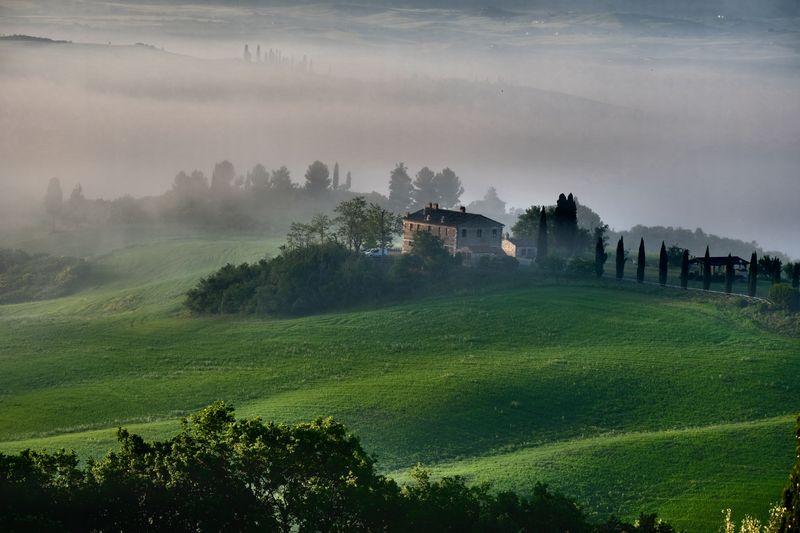
Photo by Celeste Tyree on Pexels
What I Would Skip
I would absolutely skip visiting Tuscany in August. The heat is oppressive, often pushing past 35 degrees Celsius (95 Fahrenheit), turning the beautiful stone towns into baking ovens. Furthermore, August is when Italians take their own holidays (Ferragosto). The beaches are packed, the restaurants are overwhelmed, and many small businesses close entirely. You will pay peak prices for the least comfortable experience.
I would also skip the temptation to visit San Gimignano in the middle of the day. It is a stunning medieval town, but between 10:00 AM and 4:00 PM, it is choked with day-trippers from cruise ships and bus tours. If you must go, arrive at 8:00 AM, have a coffee in the square, walk the walls, and leave before the crowds descend. Alternatively, visit Volterra instead; it offers similar medieval architecture and Etruscan history with a fraction of the foot traffic.
Logistics: When to Go and How to Get There
The optimal window for a tuscany luxury villa wine country trip is late September through October. The oppressive heat of the summer has broken, the light is spectacular, and the region is alive with the grape and olive harvests. The mornings are crisp enough for a sweater, but the afternoons are still warm enough to sit outside with a glass of wine. May and early June are also lovely, with the hillsides covered in bright green spring growth and red poppies, though the weather can be slightly more unpredictable.
Fly into Florence (Peretola) or Pisa. Florence is more convenient for Chianti and the Val d'Orcia, while Pisa is often better for the Maremma and the Bolgheri coast. Rome (Fiumicino) is a viable alternative if you are heading to the southern parts of Tuscany, as the drive up the coast is straightforward and often takes less time than navigating the traffic around Florence. Rent your car directly at the airport to avoid dragging luggage onto trains or dealing with city centre traffic.
When packing, focus on layers. The temperature difference between a sunny afternoon in a vineyard and a breezy evening on a hilltop can be significant. Leave the high heels at home; cobblestones and stilettos are a disastrous combination. Bring comfortable, sturdy walking shoes, a good pair of sunglasses, and an extra bag for the olive oil and ceramics you will inevitably buy.
The Final Verdict
If I were booking a trip right now, I would secure a restored farmhouse on a working wine estate in the Val d'Orcia for the first two weeks of October. I would rent a compact automatic car at Florence airport, ignore the GPS when it tries to route me through a ZTL, and embrace the dust of the strade bianche. I would book exactly two structured wine tastings a week, leaving the rest of the days entirely unplanned.
The luxury of Tuscany is not found in rushing from one monument to the next. It is found in the quiet moments: a plate of pici pasta with wild boar, a glass of Rosso di Montalcino, and the view of the fog lifting off the valleys in the early morning. Rent the villa, buy the wine, and simply stay put.
Questions we get asked
Before you book
- Do I really need a car in Tuscany?
- Yes. Unless you plan to stay entirely within Florence or Siena, a car is essential for reaching villas, vineyards, and hilltop towns. Public transport in the countryside is sparse.
- What is a ZTL and how do I avoid fines?
- Zona Traffico Limitato (ZTL) are restricted driving zones in historic town centres. Cameras record license plates, and fines are steep. Always park outside the city walls.
- When is the best time to visit Tuscany?
- Late September to October is ideal for the grape harvest and cooler weather. May and June are beautiful but busy. Avoid August, when the heat is oppressive and Italians go on holiday.
Some links in this guide are affiliate links. If you book through them we may earn a commission at no extra cost to you — it never changes what we recommend. Read our disclosure.