I used to think my premium credit card had me covered for everything. Then a delayed flight in Patagonia taught me the expensive difference between trip interruption and trip cancellation.
I used to believe that carrying a heavy, metal credit card with an exorbitant annual fee meant I was insulated from the chaotic realities of global travel. I assumed the fine print on my statement offered a protective shield against cancelled flights, lost luggage, and medical emergencies. Then, a severe weather system grounded my connection in southern Patagonia, forcing me to forfeit a non-refundable, five-day stay at an exclusive lodge. When I finally called the number on the back of my card, I learned a very expensive lesson about the difference between trip interruption and trip cancellation, and the strict limits of complimentary coverage.
Finding the best travel insurance luxury trip planners recommend is rarely about clicking the first sponsored link you see after booking a flight. It requires reading the actual policy wording, understanding the specific risks of your itinerary, and acknowledging that the cheapest policy is almost always the wrong one. When you are investing tens of thousands of dollars into a carefully orchestrated journey, relying on a generic, low-tier insurance plan is a false economy. You need coverage that matches the scale of your investment and the reality of your destination.

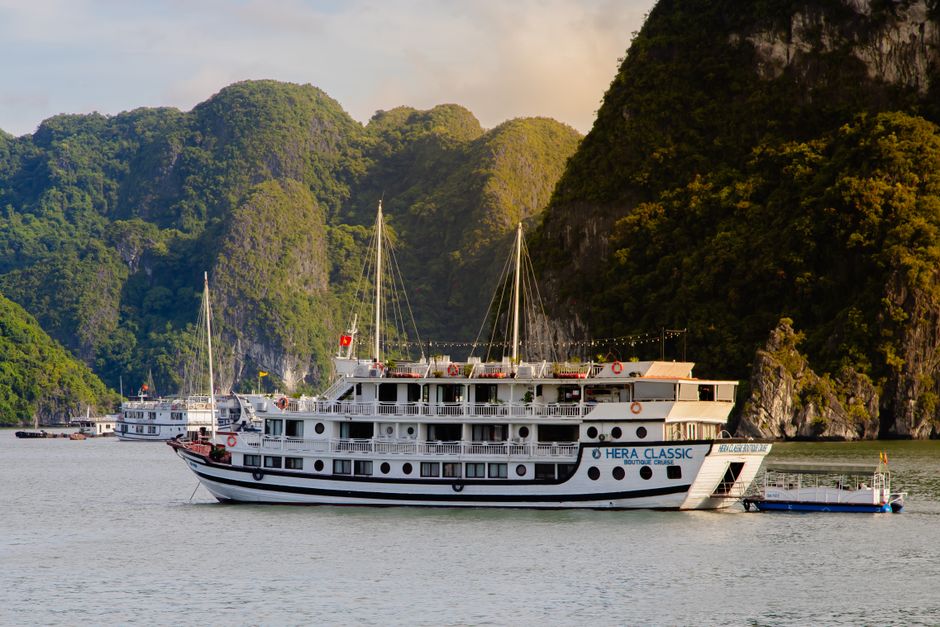
Photo by Connor Danylenko on Pexels
The Dangerous Illusion of Credit Card Coverage
Many travellers assume their premium travel rewards cards provide all the insurance they need. This is a dangerous illusion. While these cards are excellent for waiving foreign transaction fees and granting access to airport lounges, their insurance benefits are designed for routine domestic travel or short, inexpensive international hops. They are fundamentally inadequate for a major, complex itinerary.
Most credit card policies cap trip cancellation coverage at ten thousand dollars per person, or sometimes per trip. If you have booked a two-week private safari in Botswana or a chartered yacht in the Mediterranean, that limit will not even cover your initial deposit. Furthermore, credit card medical evacuation limits are notoriously low, often hovering around one hundred thousand dollars. If you suffer a severe injury in a remote location and require a specialized air ambulance to reach a facility capable of treating you, the bill can easily exceed three hundred thousand dollars. Your credit card will leave you responsible for the difference.
This is why securing the best travel insurance luxury trip advisors suggest is a non-negotiable step in my planning process. I treat the cost of a comprehensive policy as a mandatory tax on the trip itself, built into the budget from day one.
Medical Evacuation: The Only Limit That Truly Matters
When evaluating a policy, most people focus entirely on trip cancellation limits. While protecting your financial investment is important, protecting your physical well-being and your life savings is paramount. The single most critical figure in any travel insurance document is the medical evacuation limit.
If you break a leg in Paris, standard medical coverage will handle the hospital bill, and you can eventually fly home on a commercial airliner. But if you suffer a cardiac event while trekking in the Himalayas or require emergency surgery on a remote atoll in the Maldives, you need a private medical jet staffed with doctors and nurses. This is where cheap policies fail spectacularly.
I look for a minimum of five hundred thousand dollars in medical evacuation coverage for any international trip, and I prefer policies that offer one million dollars. Just as importantly, I read the fine print to ensure the policy covers evacuation to the "hospital of my choice" or at least a facility in my home country, rather than simply the "nearest adequate facility." The last thing you want is an insurance adjuster deciding that a regional clinic is perfectly fine when you would rather be treated by your own specialists at home.

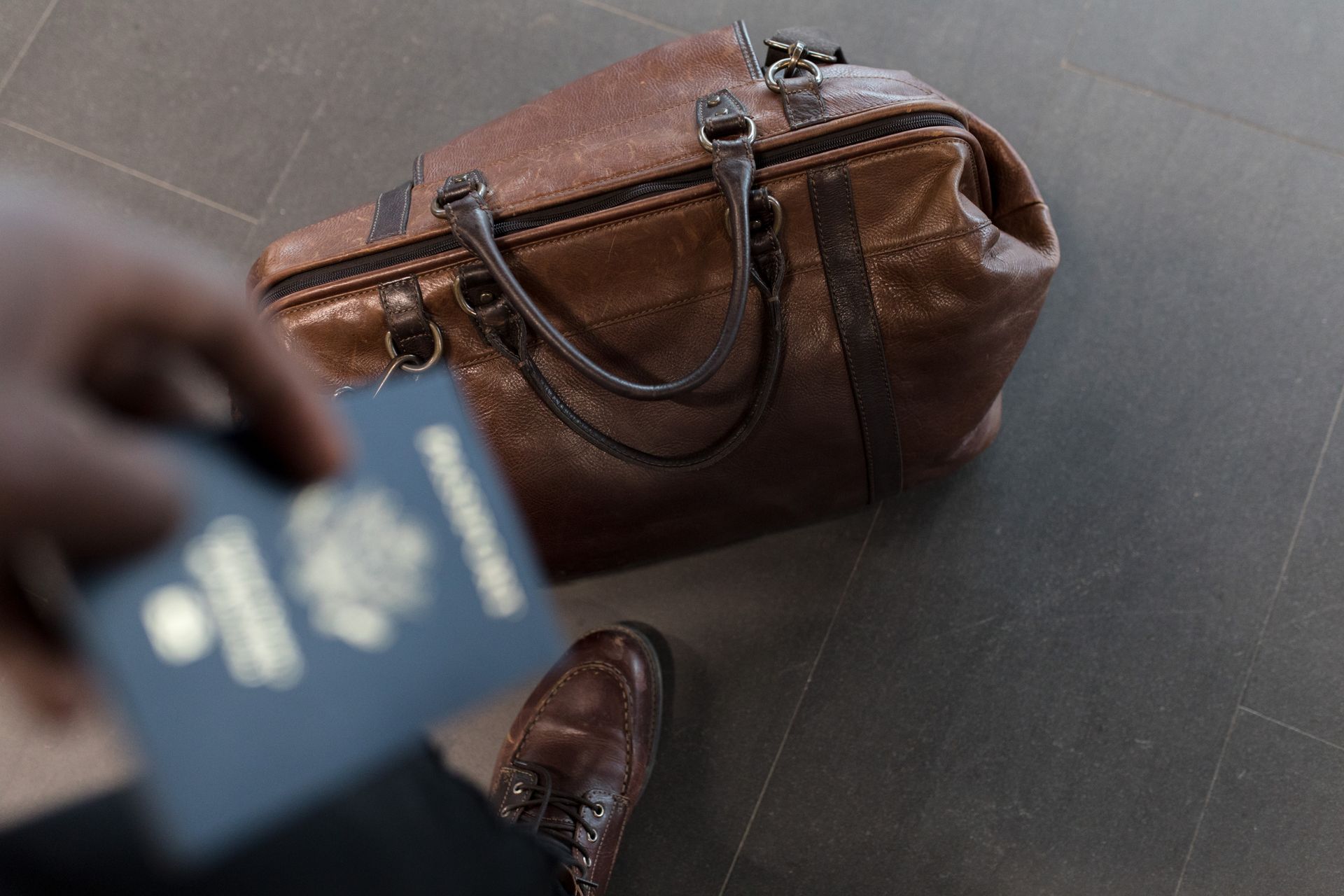
Photo by Rodolfo Gaion on Pexels
The Pre-Existing Condition Waiver Window
There is a strict, unforgiving timeline associated with buying travel insurance, and missing it is one of the most common mistakes travellers make. To secure a pre-existing medical condition waiver, you must purchase your policy within a specific window—usually fourteen to twenty-one days after making your very first trip deposit.
This waiver is crucial. Without it, an insurance company can deny a claim if they determine your cancellation or medical emergency was related to a condition you had before buying the policy. They will look back through your medical records, typically for the past sixty to one hundred and eighty days. If you visited a doctor for a minor heart flutter three months ago and then have to cancel your trip due to a heart issue, your claim will be denied unless you have that waiver.
Therefore, the moment I put down a deposit on a hotel, a flight, or a tour, I set a calendar alert to buy my insurance within the week. Waiting until a month before departure to think about insurance means you are leaving yourself dangerously exposed.
Cancel For Any Reason: The Economics of Paranoia
The travel industry heavily markets "Cancel For Any Reason" (CFAR) upgrades, preying on our anxiety about the unknown. It sounds like the ultimate safety net: if you simply change your mind, or if a work conflict arises, you can cancel and get your money back. However, the economics of CFAR are rarely in your favour.
First, adding CFAR typically increases your premium by forty to fifty percent. Second, it almost never reimburses you for the full cost of your trip. Most CFAR policies cap reimbursement at fifty to seventy-five percent of your non-refundable expenses. Finally, you usually have to cancel at least forty-eight hours before departure; you cannot simply wake up the morning of your flight and decide not to go.
I almost never buy CFAR. Unless my plans are exceptionally volatile—perhaps I am waiting on a major corporate acquisition to close, or I have a highly unpredictable family situation—standard cancellation coverage for covered reasons (like illness, injury, or severe weather) is sufficient. I would rather self-insure that remaining twenty-five percent risk than pay a massive premium for a partial refund.
Comparing Your Options: What Actually Matters
When you finally sit down to compare policies, the sheer volume of options can be overwhelming. I ignore the marketing copy and focus entirely on the hard numbers in the benefits schedule. Here is a realistic comparison of the types of policies you will encounter, and what they are actually good for.
| Policy Tier | Typical Cost | Medical Evacuation Limit | Best For | What You Compromise |
|---|---|---|---|---|
| Credit Card Default | $0 (Included) | $100,000 | Domestic weekend trips, cheap flights | Severe limits on cancellation, low medical caps |
| Basic Third-Party | $150 - $300 | $250,000 | Mid-range international travel, flexible plans | Often excludes adventure sports, strict definitions |
| Premium Comprehensive | $400 - $800 | $500,000+ | The best travel insurance luxury trip standard | Higher upfront cost, requires early purchase |
| Annual Multi-Trip | $500 - $900 | $250,000 - $500,000 | Frequent travellers taking 4+ trips a year | Per-trip duration limits, lower individual caps |
Adventure Exclusions and the Fine Print
If your itinerary involves anything more strenuous than walking from a taxi to a hotel lobby, you must read the exclusions section of your policy. Insurance companies have very specific, and often surprising, definitions of what constitutes a hazardous activity.
I once reviewed a policy that excluded coverage for any scuba diving deeper than ten metres, which effectively rules out most interesting dive sites. Others exclude trekking above a certain altitude, riding motorcycles, or even participating in amateur sporting events. If you are planning to heli-ski in Japan or ride horses across the Mongolian steppe, a standard policy will likely leave you completely uninsured the moment you begin the activity. You will need to purchase a specific adventure sports rider, or seek out a specialty insurer that caters to extreme travel.

Photo by leonardomartin pagano on Pexels
Practical Guidance: When, How Long, and How to Claim
Navigating the logistics of travel insurance requires a methodical approach. The process does not end when you pay the premium; it ends when you safely return home, or when a claim is successfully paid.
When to Buy: As I mentioned earlier, buy your policy within fourteen days of your first financial transaction related to the trip. This could be a flight booking, a hotel deposit, or a payment to a travel advisor. This secures the pre-existing condition waiver and ensures you are covered if a hurricane destroys your destination months before you are due to arrive.
How Long to Cover: Always insure your trip from the moment you leave your front door until the moment you return. Do not just insure the dates you are at your destination. If your flight home is delayed by two days due to a strike, you want your policy to cover the extra hotel nights and meals.
How to Claim: The secret to a successful insurance claim is meticulous documentation. If you visit a doctor abroad, get a detailed medical report translated into English if possible, and keep every single receipt. If your flight is delayed, ask the airline for a written statement confirming the reason for the delay. Insurance adjusters deal in facts and paperwork, not in emotional narratives. Keep a digital folder on your phone with your policy number, the emergency contact numbers, and photos of all your receipts.
What I Would Skip
I am deeply skeptical of insurance policies sold directly by airlines or online travel agencies during the checkout process. These are almost always white-labeled, low-tier policies designed for maximum profit margin rather than comprehensive coverage. They rarely offer the medical evacuation limits required for a serious trip, and their customer service is often outsourced and unresponsive. Skip the convenient checkbox at the end of your flight booking and purchase a standalone policy from a reputable, dedicated travel insurance provider. I also skip baggage delay insurance upgrades; the standard limits are usually enough to buy a change of clothes and some toiletries, which is all you really need until your suitcase arrives.
The Final Verdict
Finding the best travel insurance luxury trip coverage is an exercise in risk management, not a quest for a bargain. When you are spending significant capital on a journey, the peace of mind that comes from knowing you are protected against catastrophic financial loss or medical emergencies is invaluable.
I strongly recommend purchasing a premium, comprehensive policy from a dedicated provider like Allianz, Travel Guard, or GeoBlue, ensuring you secure at least five hundred thousand dollars in medical evacuation coverage. Buy it within two weeks of your first deposit to lock in the pre-existing condition waiver, and skip the expensive Cancel For Any Reason upgrade unless your life is currently defined by extreme unpredictability. Read the exclusions, understand your limits, and then put the policy document in your bag and forget about it. The goal of good insurance is to allow you to focus entirely on the experience, knowing that if the worst happens, you have a quiet, competent safety net ready to catch you.
Questions we get asked
Before you book
- Is cancel for any reason travel insurance worth it?
- Usually, no. It adds roughly forty percent to your premium and typically only reimburses up to seventy-five percent of your non-refundable costs. Unless your plans are highly volatile, standard cancellation coverage is often a smarter financial choice.
- Does my premium credit card provide enough travel insurance?
- Rarely for a truly expensive trip. Most credit cards cap trip cancellation at ten thousand dollars per trip and have dangerously low medical evacuation limits. They are fine for a weekend away, but inadequate for a major international itinerary.
- When should I buy travel insurance?
- Within fourteen days of making your first trip deposit. Buying early is the only way to secure a pre-existing medical condition waiver, which is arguably the most important clause in any policy.
Some links in this guide are affiliate links. If you book through them we may earn a commission at no extra cost to you — it never changes what we recommend. Read our disclosure.