Four Seasons Cartagena’s 2026 recognition is a reason to look again at Colombia’s luxury hotels—and to pair the Walled City with a slower stay in coffee country.
Colombia’s hotel story is no longer only about choosing between a handsome address in Cartagena and a coffee-country finca. The country now rewards a more deliberate question: what kind of landscape do you want the hotel to reveal?
That question matters in 2026 because the Four Seasons Hotel and Residences Cartagena has placed a major international luxury brand in Getsemaní, at the edge of the Walled City. Robb Report included the new property in its 2026 collection of the world’s greatest luxury hotels, praising the restoration of several historic buildings rather than a resort built from scratch. The hotel’s own description places the stay in an art-filled neighbourhood, with colonial heritage, modern rooms, eight restaurants and lounges, a rooftop pool and UMARI spa and wellness. Those are useful facts. The more interesting story is how the hotel changes the way a first visit to Colombia can be paced.
Start in Cartagena, but do not stay only inside the walls
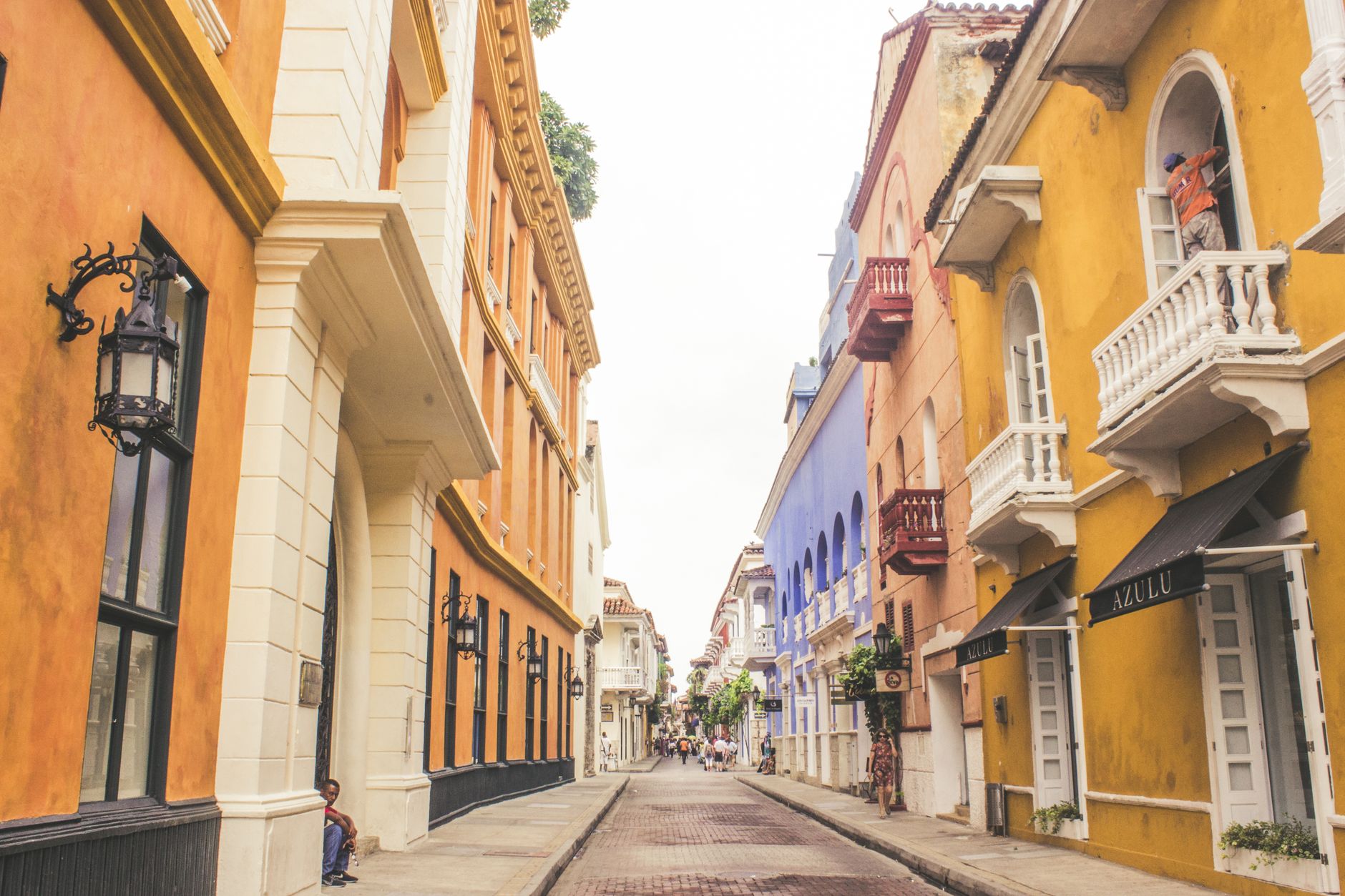
Cartagena is most rewarding when the hotel is treated as a base rather than a sealed environment. The Walled City gives you early-morning streets, churches, courtyards and galleries before the heat gathers. Getsemaní adds a more expressive, local energy: painted façades, music, small restaurants and a social rhythm that feels different from the polished quiet of a conventional resort district.
Four Seasons Cartagena sits on Media Luna in Getsemaní, close to the historic centre. Its rooms include contemporary options with balconies and courtyard views, as well as colonial-inspired rooms that use dark wood, high ceilings and references to Colombian craftsmanship. The choice is less about a hierarchy of luxury than about mood. A courtyard room is calmer. A terrace gives you more air and a stronger sense of the tropical climate. A colonial room makes the building’s history part of the stay.
The right first day is intentionally light. Arrive, settle in, and walk a short loop through Getsemaní before committing to a long list of sights. Cartagena’s heat rewards a morning-and-evening rhythm. Use the middle of the day for lunch, a shaded courtyard, the pool or a treatment rather than treating every hour as an opportunity to collect another landmark.
What the award recognition actually tells you
An award is a useful signal, not a substitute for judgment. Robb Report says its 2026 list was built through the recommendations of 24 Travel Masters, who were asked to vouch for newer properties and established favourites. The list is therefore not a public vote or a universal hotel rating. It is an editorial selection shaped by experienced travel advisers.
The Four Seasons entry is especially notable for its architecture. A 1920s Beaux-Arts social club houses the lobby, atrium and signature restaurants. A sixteenth-century Franciscan cloister forms the centre of the colonial guest-room wing. Former movie theatres have been adapted as event and dining spaces. The appeal is not simply that the hotel has expensive finishes. It is that the stay gives you several layers of Cartagena at once: colonial fabric, twentieth-century civic history, Caribbean light and contemporary hospitality.
That distinction is helpful when comparing Colombia with other luxury destinations. The strongest hotels here do not need to imitate a European palace or a remote safari lodge. Their advantage is access to a place with a dense cultural texture. The best design choice is often the one that lets the city remain audible.
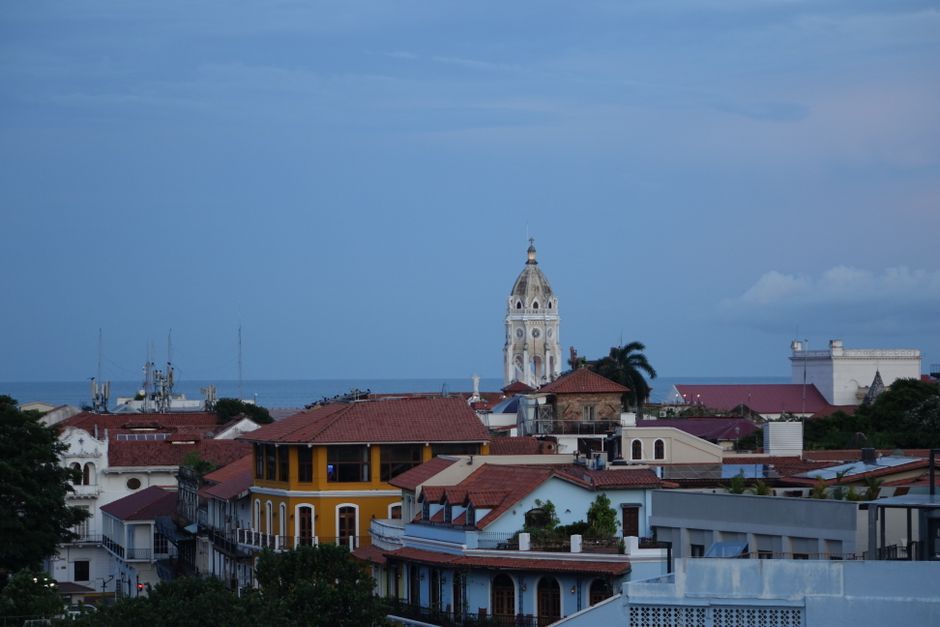
Photo by arkady itkin on Pexels
Build a two-landscape itinerary
A polished Colombia trip should usually combine a historic city with a greener, slower setting. The most natural pairing is Cartagena and the Coffee Cultural Landscape, but the balance depends on your appetite for movement.
Cartagena works for architecture, food, music and the Caribbean. Coffee country works for mornings outdoors, cooler evenings, dramatic hills and a more intimate relationship with the landscape. Quindío and the surrounding coffee region offer haciendas, small luxury properties and experiences built around farms, gardens and local produce. The point is not to turn the trip into a checklist of plantations. Choose one base with a strong sense of place, then allow enough time to understand how the landscape is worked.
A third stop can be worthwhile if it solves a real problem. Bogotá adds museums, restaurants and altitude, but it also adds another flight and a different climate. Medellín offers design, food and a lively urban setting, yet it can make a short trip feel over-scheduled. For a first luxury itinerary, Cartagena plus coffee country is the more coherent pairing.
| Route | Best for | The trade-off |
|---|---|---|
| Cartagena only | A short cultural escape with pool time | Less variety in landscape |
| Cartagena + coffee country | The best balance of history, food and nature | Requires a domestic transfer |
| Bogotá + Cartagena | Museums, restaurants and a major-city contrast | More packing and climate changes |
| Cartagena + Medellín + coffee country | A broad first look at Colombia | Too much movement for a restorative trip |
How to make the luxury feel Colombian
The easiest mistake is to book a beautiful room and then spend the trip inside it. Colombia’s luxury is more convincing when the hotel’s comforts create energy for the day rather than replacing it.
In Cartagena, book one early walk through the old centre, one meal that is not inside the hotel and one experience connected to music, art or the water. A private sunset cruise can be lovely, but it should be chosen for the route and the guide rather than the word “private” alone. In Getsemaní, ask the concierge to distinguish between a polished visitor experience and a genuinely good local one.
In coffee country, spend time outside the main property. Visit a working farm with a guide who can explain cultivation, drying and roasting in plain language. Ask whether the visit supports the producers you are meeting. A tasting becomes more memorable when it is connected to soil, altitude and labour rather than presented as a luxury ritual with no context.
Food is another way to keep the trip grounded. Look for menus that use Caribbean produce, local fruit, corn, rice, plantain, fresh fish and regional coffee without turning every dish into a performance of “authenticity.” The best hotel restaurant should be excellent, but it should not be your only reference point.
Timing, comfort and practical choices
Cartagena is warm and humid for much of the year. Plan walks early, carry water and use the middle of the day intelligently. The city’s historic streets are uneven, and the combination of heat and cobblestones can make an apparently short route tiring. A good hotel location matters because it reduces the number of long transfers required for simple pleasures.
Domestic flight times and schedules should be checked close to booking. Build a buffer around any international departure, and avoid placing a non-refundable experience immediately after an arrival. If you are combining Cartagena with coffee country, compare the true door-to-door time rather than looking only at flight duration.
The security question also deserves calm, practical attention. Use hotel-arranged transport for unfamiliar transfers, take local advice seriously and avoid displaying valuables in crowded areas. Conditions differ by city and neighbourhood, so a current government travel advisory and the hotel’s own local guidance should be checked before departure.
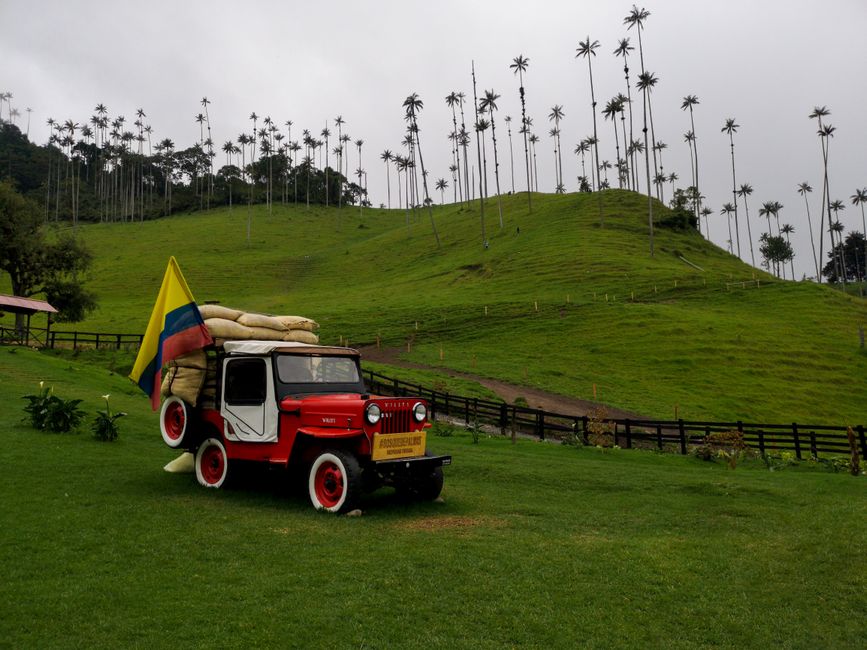
Photo by Alexandra Nezhybová on Pexels
The hotel choice beyond the headline
Four Seasons Cartagena is the obvious award-led choice, especially for travellers who want a major service brand, a central heritage setting and a resort-style pool and wellness offering. It is not the only way to experience Colombia. A smaller Cartagena property may offer more intimacy. A coffee hacienda may offer more silence. A lodge outside the city may make nature the main event.
The right address depends on what you want to remember. Choose the award-winning Cartagena opening if you want the country’s history and contemporary luxury in the same frame. Choose coffee country if mornings in the landscape matter more than a long restaurant list. Choose Bogotá if museums and serious dining are the reason for the trip. None of these choices is objectively superior.
The fine address
Colombia deserves a hotel guide that treats luxury as a relationship with place rather than a list of amenities. Four Seasons Cartagena is important because it demonstrates what a global brand can do when it restores and uses heritage buildings instead of flattening their identity. The more rewarding itinerary is the one that lets that address lead into a second landscape, whether that is coffee country, a Caribbean island or the museums of Bogotá.
Stay somewhere beautiful, but leave enough room for the city to surprise you. In Cartagena, that may mean a shaded street, a late lunch, a courtyard full of music or a conversation that was not in the itinerary. The hotel should make those moments easier, not make them unnecessary.
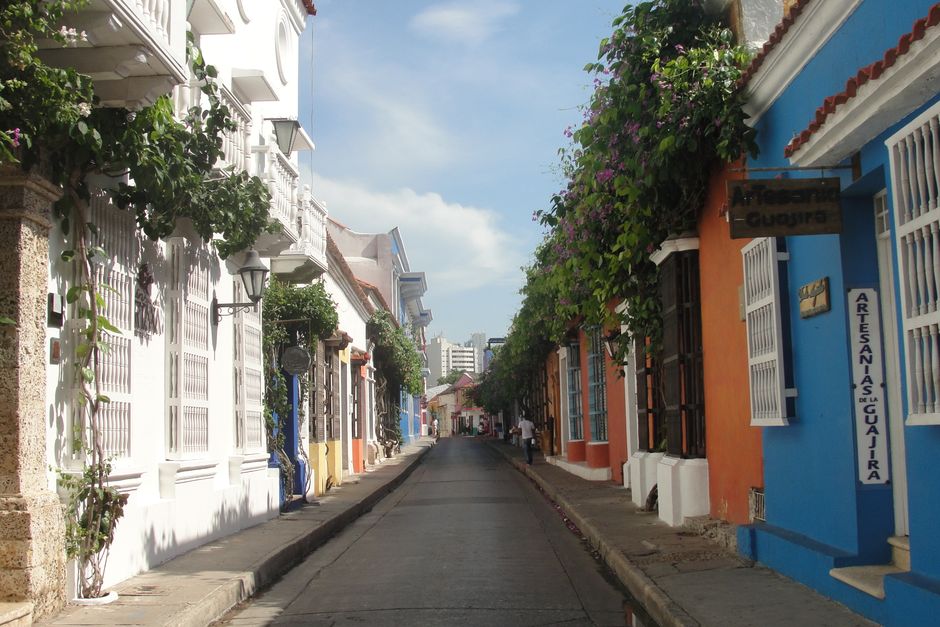
Photo by Claudia Sampaio on Pexels
Questions we get asked
Before you book
- Why is Four Seasons Cartagena receiving attention in 2026?
- Robb Report included Four Seasons Hotel and Residences Cartagena in its 2026 collection of the world’s greatest luxury hotels, highlighting its restoration of heritage buildings in Getsemaní.
- Is Cartagena enough for a luxury Colombia trip?
- It can be ideal for a short cultural escape, but pairing Cartagena with coffee country adds a slower landscape and a different style of hospitality.
- When is the best time to book Colombia’s luxury hotels?
- Check current climate, flight schedules, hotel availability and cancellation terms for your dates. Cartagena is warm and humid for much of the year, so early starts and a flexible daily rhythm are useful.
A considered conversation
Comments
Some links in this guide are affiliate links. If you book through them we may earn a commission at no extra cost to you — it never changes what we recommend. Read our disclosure.