The overwater villa is the ultimate Indian Ocean cliché, but the reality often falls short of the brochure. Here is how to navigate the atolls, the transfers, and the price tiers to find the ones that actually deliver.
There is a specific kind of disappointment that comes from spending a small fortune on a dream, only to find it slightly damp and lacking in marine life. The overwater villa is the ultimate Indian Ocean cliché, a structure that promises absolute isolation and a private staircase into the sea. Yet, having spent months inspecting these wooden structures across the archipelago, I can tell you that the reality often falls short of the brochure. Some of the most famous properties place their water villas over dead coral, while others pack them so tightly together that you can hear your neighbours arguing over the minibar. If you are looking for the best maldives overwater villa resorts, you have to look past the drone photography and ask the right questions: what is the tide like, how far is the drop-off, and what exactly are you looking at from your deck?
The truth is that a well-positioned beach villa with a thriving house reef will always beat a mediocre overwater villa suspended over a featureless lagoon. But when an overwater villa is done right—when the architecture respects the environment, the privacy is absolute, and the water beneath you is alive with eagle rays and blacktip reef sharks—it is one of the finest hotel experiences on earth. Here is how to navigate the atolls, the transfers, and the price tiers to find the ones that actually deliver.
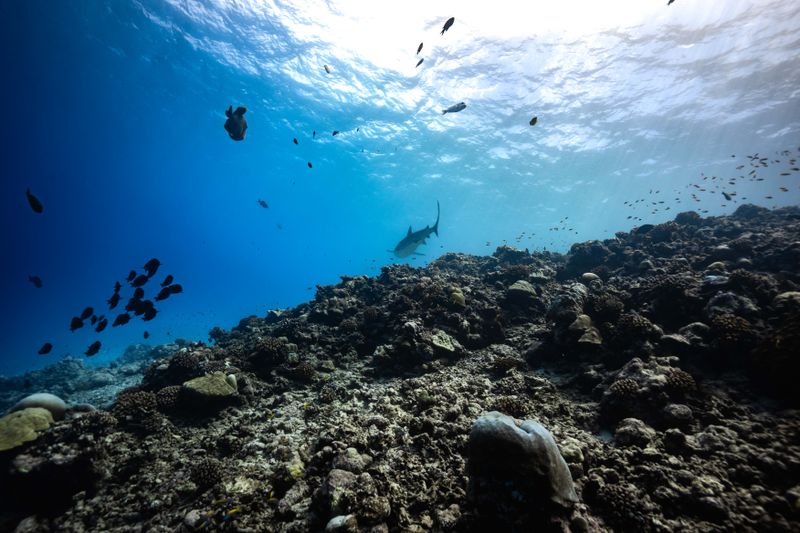
Photo by Mohamed Sarim on Pexels
The Anatomy of a Flawed Overwater Villa
Before we discuss the exceptional, we need to address the average. The Maldives has seen a massive boom in construction over the last decade, and the overwater villa has become a mandatory feature for any new development. This has led to some questionable architectural decisions.
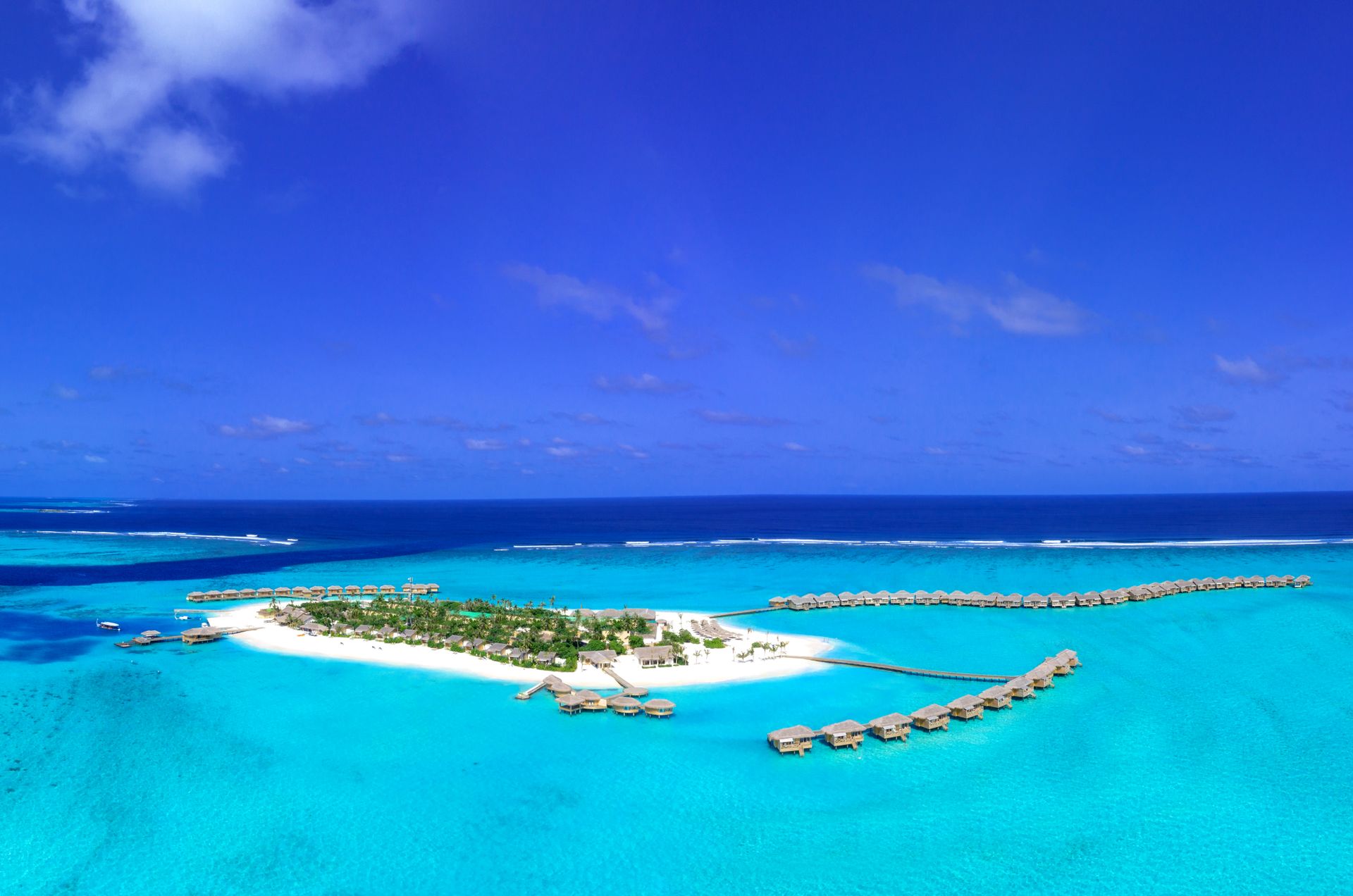
Many resorts build their water villas in long, sweeping jetties that look spectacular from a seaplane but are entirely impractical on the ground. If you are at the far end of a kilometre-long jetty, you are reliant on a buggy service just to get to breakfast. I have waited twenty minutes in the equatorial sun for a golf cart because the resort was at full capacity.
Then there is the water itself. An overwater villa is only as good as the ocean beneath it. Many newer resorts, particularly those built on reclaimed islands near Malé, have dredged their lagoons to create the classic turquoise expanse. The result is a sandy bottom devoid of life. You can sit on your deck and look at the water, but there is no reason to get in it. The best maldives overwater villa resorts are built on natural islands with a steep drop-off, allowing you to snorkel directly from your room into a vibrant ecosystem.
Furthermore, privacy is often an illusion. When villas are built in a tight curve, you end up staring directly onto the deck of the villa opposite yours.
Navigating the Atolls: Seaplane vs Speedboat
Your experience of the Maldives begins the moment you clear customs at Velana International Airport. The geography of the country dictates your transfer, and this is a crucial factor in choosing a resort.
Resorts in the North and South Malé Atolls are accessible by speedboat. The advantage here is flexibility. Speedboats run around the clock, meaning that if your international flight lands at nine in the evening, you can be in your villa by midnight. The downside is that the waters around Malé are busy. You will see cargo ships on the horizon, and the light pollution from the capital is visible at night.
To reach the more remote atolls—such as Baa, Raa, Noonu, or the deep south—you will need to take a seaplane. This is a spectacular experience, flying low over the coral reefs in a Twin Otter, but it comes with significant logistical constraints. Seaplanes only operate during daylight hours. If your flight arrives after three in the afternoon, you will likely have to spend a night in a transit hotel in Malé. They are also expensive, often adding a thousand dollars or more to the total cost of your trip, and they are subject to weather delays.
If you have less than a week, I recommend a speedboat transfer to maximise your time on the island. If you have ten days or more, the journey to a remote atoll is entirely justified.
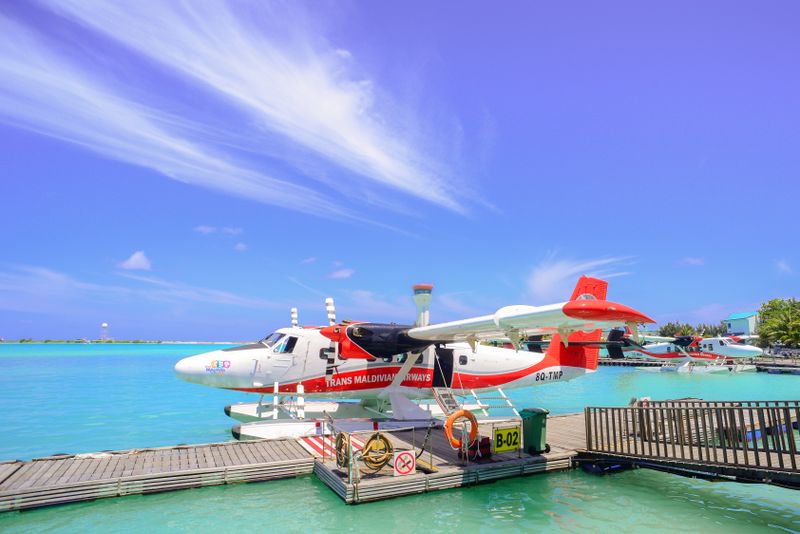
Photo by Asad Photo Maldives on Pexels
The Best Maldives Overwater Villa Resorts by Tier
The pricing in the Maldives is notoriously opaque, with taxes, green fees, and mandatory transfer costs often obscuring the true nightly rate. Broadly speaking, the market divides into three tiers. Here is a comparison of genuine options that deliver value within their respective brackets.
| Resort | Atoll | Transfer | Best For | Approximate Nightly Rate |
|---|---|---|---|---|
| Gili Lankanfushi | North Malé | 20 min Speedboat | Rustic luxury, massive villas, eco-conscious design | $2,000 - $3,500 |
| Milaidhoo | Baa | 35 min Seaplane | Couples, exceptional house reef, quiet sophistication | $1,800 - $2,800 |
| COMO Cocoa Island | South Malé | 40 min Speedboat | Wellness, understated design, excellent food | $1,200 - $2,000 |
| Six Senses Laamu | Laamu | Domestic Flight + Boat | Surfing, barefoot luxury, marine conservation | $1,500 - $2,500 |
| Baros | North Malé | 25 min Speedboat | Classic Maldivian hospitality, short stays, dining | $800 - $1,500 |
At the very top end, Gili Lankanfushi remains the benchmark. It is one of the few resorts where the overwater villas are genuinely massive, built from sustainable woods with a rustic, Robinson Crusoe aesthetic that feels entirely appropriate for the setting. The privacy is absolute, and the service, managed by your personal 'Mr Friday', is intuitive without being intrusive.
Milaidhoo, located in the Baa Atoll UNESCO Biosphere Reserve, offers a more polished take on luxury. The overwater villas here feature curved roofs inspired by traditional dhoni boats and expansive decks with large private pools. The real draw, however, is the house reef, which drops off sharply just metres from your staircase.
For those seeking understated elegance, COMO Cocoa Island is a masterclass in restraint. The overwater villas are designed to resemble local fishing boats, and the resort focuses heavily on wellness and exceptional, clean food. It is quiet, intimate, and entirely devoid of the flashy excess found at newer properties.
The House Reef Factor
I cannot overstate the importance of a good house reef. It is the single most critical factor in determining whether an overwater villa is worth the investment.
A house reef is the coral structure that surrounds the island. If a resort has a good house reef, you can put on your mask and fins, step off your deck, and immediately find yourself swimming alongside turtles, reef sharks, and schools of parrotfish. If a resort has a poor house reef, or no house reef at all, you will have to book a boat excursion every time you want to see marine life.
The Baa Atoll is globally recognised for its biodiversity, particularly the seasonal gatherings of manta rays at Hanifaru Bay. Resorts in this area, such as Milaidhoo and the Four Seasons Landaa Giraavaru, offer access to some of the most vibrant underwater ecosystems in the country.
However, even within a good atoll, the positioning of the villa matters. You want a villa that sits on the edge of this drop-off, where the shallow lagoon meets the deep ocean. This is where the pelagic life congregates.
Photo by Geek Wandering on Pexels
What I Would Skip
The Maldives is full of highly marketed properties that simply do not justify their price tags. I would actively avoid the mega-resorts that have opened in the last five years on reclaimed islands near the capital. These properties often feature hundreds of rooms, multiple massive restaurants, and a distinct lack of soul.
I would also skip the entry-level overwater villas at mid-tier resorts. If your budget is stretched to afford the cheapest water villa on the island, you are almost certainly better off booking a premium beach villa instead. A good beach villa offers more space, an outdoor bathroom, direct access to the sand, and often a private pool, for the same price as a cramped wooden box suspended over a dead reef.
Finally, be wary of the all-inclusive packages at the lower end of the luxury spectrum. In the Maldives, you generally get exactly what you pay for, and a cheap all-inclusive rate usually means compromises in the kitchen.
Logistics: When to Go and How Long to Stay
The Maldives has two distinct seasons, dictated by the monsoons. The dry season runs from late November to April. This is when you will find the lowest humidity, the clearest skies, and the calmest seas. It is also the most expensive time to visit, with prices peaking around Christmas and the New Year.
The wet season, from May to October, brings higher humidity, stronger winds, and a greater chance of rain. However, the rain often falls in short, heavy bursts late in the afternoon, leaving the rest of the day clear. The prices during this period drop significantly, and the marine life is often more active due to the increased plankton in the water.
As for duration, seven to ten days is the sweet spot. Anything less than a week makes the long international flights and seaplane transfers feel arduous. Anything more than ten days, and you may begin to feel a slight sense of island fever, no matter how luxurious the surroundings.
If you are flying from Europe or North America, the journey will involve at least one connection, typically in Dubai, Doha, or Istanbul.
The Final Verdict
Choosing the right island requires a clear understanding of what you actually value. If you want a vibrant social scene and underwater restaurants, there are resorts that cater to that. But if you are looking for the quintessential Indian Ocean experience—absolute quiet, exceptional service, and a profound connection to the sea—the criteria are much narrower.
If I were booking a trip tomorrow, I would secure a water villa at Milaidhoo in the Baa Atoll. It strikes the perfect balance between sophisticated design and raw natural beauty. The house reef is spectacular, the food is excellent, and the scale of the island is small enough to feel intimate but large enough to prevent boredom.
Alternatively, for a shorter stay where a seaplane transfer is impractical, COMO Cocoa Island remains my preferred choice in the Malé atolls. It is a masterclass in quiet luxury, proving that you do not need glass floors or waterslides to create a memorable experience. The best maldives overwater villa resorts are the ones that understand their environment, rather than trying to pave over it. Choose the reef over the real estate, and you will rarely be disappointed.
Questions we get asked
Before you book
- Are overwater villas in the Maldives worth the cost?
- Only if you choose carefully. A poorly positioned overwater villa can mean shallow, lifeless water and a long walk to breakfast. The best ones offer direct access to a thriving drop-off.
- Is it better to take a seaplane or a speedboat in the Maldives?
- Speedboats are cheaper and run after dark, making them ideal for late arrivals. Seaplanes offer a spectacular view and access to more remote, pristine atolls, but they only fly during daylight hours.
- Do I need an overwater villa with a pool?
- Not necessarily. If your villa sits directly over a vibrant house reef, the ocean is your pool. Plunge pools are better suited to beach villas or lagoons with less marine life.
Some links in this guide are affiliate links. If you book through them we may earn a commission at no extra cost to you — it never changes what we recommend. Read our disclosure.