Bogotá’s 2026 tourism recognition is an invitation to look again at Colombia’s highland capital—through its museums, food, design, coffee and quietly confident city rhythm.
Bogotá has the rare quality of feeling both deeply rooted and unmistakably in motion. It is a city of highland light, serious museums, excellent coffee, ambitious kitchens and neighbourhoods that reward walking slowly. In January 2026, Bogotá was recertified as a Smart Tourist Destination by Spain’s SEGITTUR at FITUR, under an updated framework that evaluates governance, sustainability, accessibility, innovation and technology. The city government says Bogotá met more than 80% of the framework’s requirements and became the first capital city worldwide with more than eight million residents to receive and renew the distinction under that methodology.
The recognition matters because it describes more than a glossy visitor campaign. It points to a city thinking carefully about how tourism can work for residents as well as travellers. That gives Bogotá a compelling place in a modern South American itinerary: not a city to rush through on the way to somewhere else, but a place with enough culture, food and texture to deserve a few unhurried days.
Begin with the city’s visual language
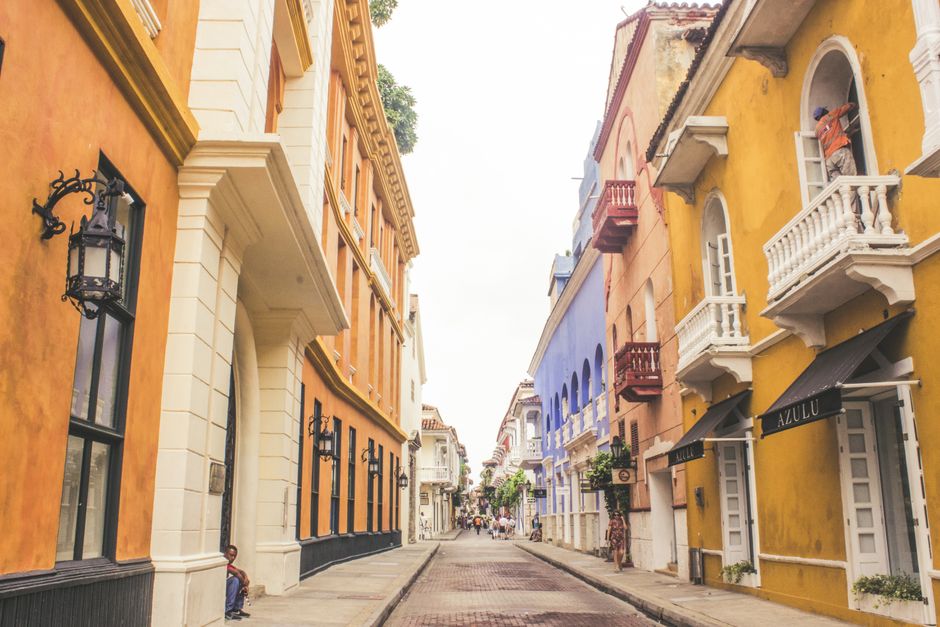
Bogotá is best understood through contrasts. Brick and greenery sit side by side. Colonial streets lead toward contemporary galleries. A long lunch can be followed by an afternoon in a museum, then by a view across the plateau as the light changes. The city is energetic, but it does not require a frantic schedule.
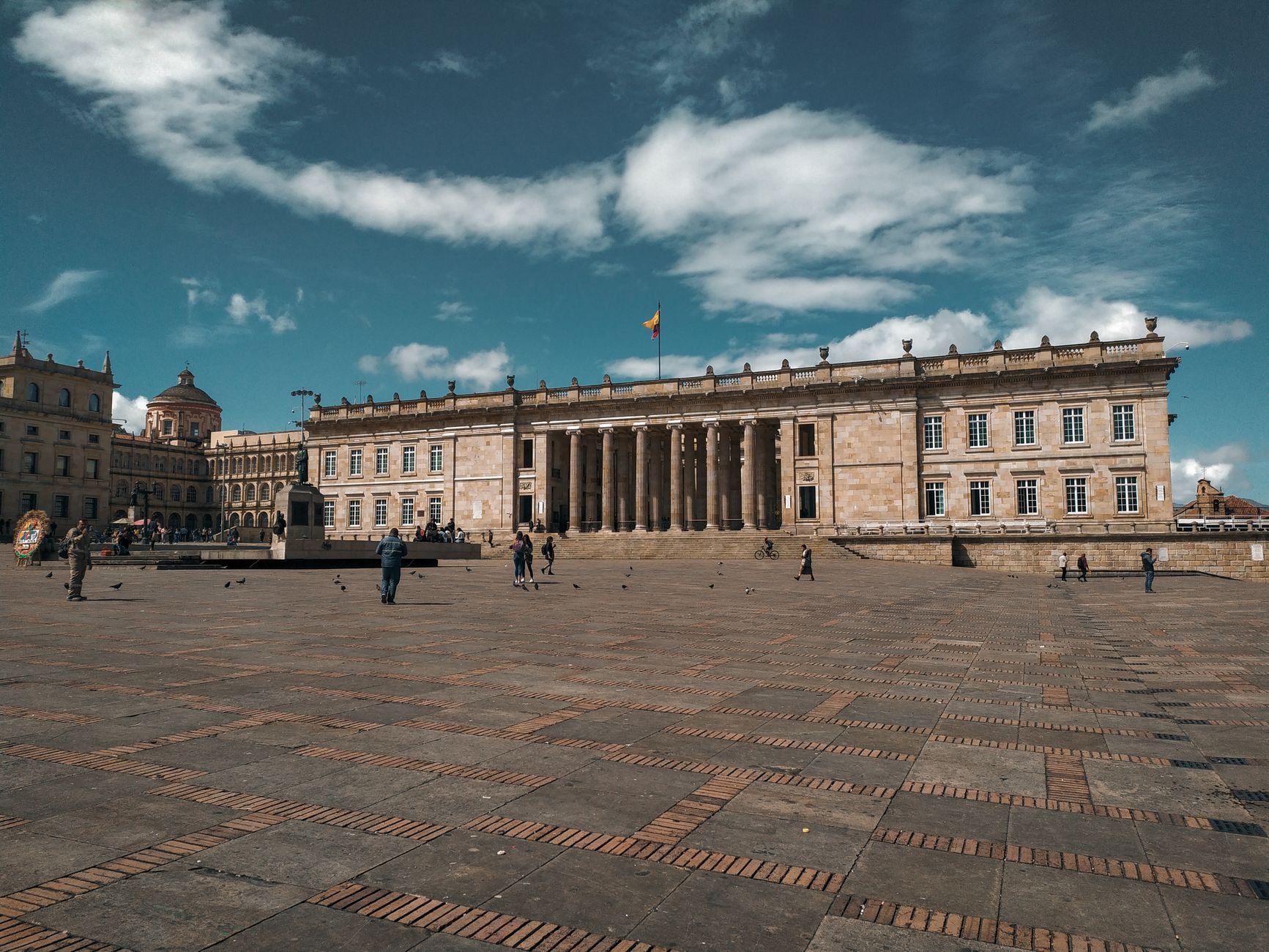
Start in La Candelaria early, when the streets are quieter and the morning light gives the historic centre a calm, almost theatrical quality. Allow time for the Museo del Oro, whose collection gives essential context for Colombia’s pre-Hispanic cultures, and the Museo Botero, where Fernando Botero’s work shares space with international art from his collection. These are not quick photo stops. They are places to slow down and let the country’s visual history expand beyond the postcard version of Colombia.
Continue toward the city’s more contemporary neighbourhoods for lunch and a change of rhythm. Chapinero and the area around Quinta Camacho are useful bases for travellers who want independent cafés, design-led spaces and restaurants within a compact urban circuit. Usaquén offers a different kind of pause, with a village-like historic centre, small shops and a weekend market atmosphere. The choice is less about finding the one correct neighbourhood than matching your address to the mood you want each day.
A capital built for curious appetites
Bogotá’s food story is one of its strongest reasons to stay longer. The city brings together the flavours of the Andes, the Caribbean, the Pacific and Colombia’s coffee-growing regions. Ajiaco is the classic point of entry: a warming chicken and potato soup associated with Bogotá and the surrounding highlands. It is comforting rather than showy, and it makes sense after a morning of walking in the cooler air.
The more contemporary scene is equally rewarding when it remains connected to Colombian ingredients. Look for menus that treat corn, plantain, local fruits, freshwater fish, cacao and coffee as serious raw materials rather than decorative references. The best meals often move between polished technique and a clear sense of where the ingredients come from.
Coffee deserves its own pause. Bogotá is not the country’s coffee-growing landscape, but it is one of the best places to understand how Colombian coffee is presented, brewed and discussed. Choose a café where the staff can explain the origin and preparation without turning the experience into a lecture. A carefully made cup, a small pastry and an hour without a schedule can be one of the most luxurious moments in the city.
There is also a gentle civic rhythm to Bogotá that visitors notice in public life. Music, conversation and football are part of the background atmosphere. A passing reference to Millonarios and the city’s long blue tradition is enough to glimpse that history without turning a cultural guide into a sports article. The club’s relationship with Bogotá is one of those local threads that helps explain how the city remembers itself.
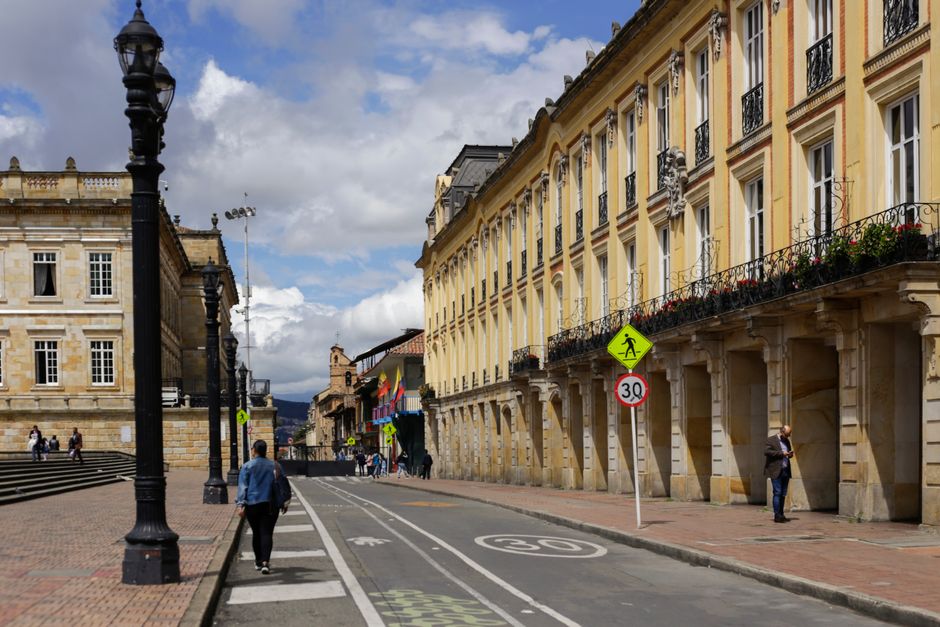
Photo by Gustavo Solmott on Pexels
Three days, with room to breathe
A first visit works best when it has shape but not pressure. On the first morning, stay close to the historic centre. Walk La Candelaria, visit one major museum and leave time for a long lunch. In the afternoon, return to your hotel or choose a quiet café. Bogotá’s altitude and cooler climate can make an ambitious first day feel longer than expected, especially after an international flight.
On the second day, move toward Chapinero, Quinta Camacho or another neighbourhood chosen for its restaurants and independent spaces. This is a good day for a gallery, a design shop, a market or a long coffee stop. If you want a panoramic view, check current operating conditions and weather before committing to a mountain excursion or lookout. Cloud and rain can change the experience quickly, and a flexible plan is more elegant than forcing a view that is not there.
Use the third day for a deeper choice. Travellers who want history can add another museum or a guided visit focused on the city’s architecture. Those who prefer the outdoors can choose a carefully timed excursion beyond the central neighbourhoods. Those who are planning onward travel may simply keep the day local and enjoy a second restaurant, a slower breakfast and the pleasure of already knowing how the city works.
The point is not to collect every sight. Bogotá rewards a traveller who notices transitions: the way the light falls on brick, how a market changes after lunch, or how a neighbourhood feels different on a weekday morning.
Read the recognition as an invitation
The Smart Tourist Destination recertification is especially relevant for travellers who care about how a city is managed. SEGITTUR’s framework looks at governance, sustainability, accessibility, innovation and technology. Bogotá’s official announcement describes work involving city agencies, private businesses, academic institutions and tourism stakeholders, with improvements in areas such as accessibility, tourism data, transport integration and visitor information.
Visit Bogotá’s own awards summary also lists eight World Travel Awards recognitions in 2025 connected to air connectivity, hotel innovation, corporate tourism, sustainability and meetings tourism. The page highlights leading regional recognition for El Dorado International Airport, the B.O.G. Hotel, Ágora Bogotá Convention Center and 101 Park House, as well as Bogotá’s strong position for association meetings in Colombia and Latin America.
These are not reasons to pretend the city is effortless. They are reasons to look at it with fresh eyes. Bogotá is a large, complex capital, and a good trip still depends on choosing the right neighbourhood, allowing for traffic, using trusted transport and asking current local advice. The recognition is most useful when it encourages a more thoughtful visit rather than a more hurried one.
Where to stay for a considered visit
Choose La Candelaria if museums, historic streets and early access to the old centre matter most. It gives you atmosphere and proximity, although the trade-off is that the area can feel quieter at night and requires normal urban awareness.
Choose Chapinero or Quinta Camacho for a balanced first stay. You will be well placed for restaurants, cafés and a more contemporary city rhythm, while still being able to reach the historic centre with a planned ride. This is often the easiest choice for travellers who want culture in the morning and good dining without a long evening transfer.
Choose Usaquén if you prefer a calmer base with a more residential feeling and a strong weekend atmosphere. It can suit a longer stay or a return visit, particularly if you want to combine city time with day trips and a slower morning routine.
The right hotel is the one that makes your preferred Bogotá feel easy. A beautiful lobby cannot compensate for an inconvenient location, and a central address is not automatically the best one if you value sleep and quiet. Compare the complete journey from the airport, the room category, cancellation terms, breakfast arrangement and the transport plan you will actually use.
| Base | Best for | Consider before booking |
|---|---|---|
| La Candelaria | Museums, history and early walks | Evening rhythm, street conditions and transfer planning |
| Chapinero / Quinta Camacho | Restaurants, cafés, design and balance | Traffic to the historic centre at busy times |
| Usaquén | A calmer stay and weekend atmosphere | Longer rides to some central museums and dining rooms |
Practical details that improve the experience
Bogotá’s climate is cooler and more changeable than many first-time visitors expect. Pack layers, comfortable shoes and a light waterproof layer. Plan outdoor views and long walks with the weather in mind rather than treating rain as an inconvenience the city should somehow remove.
Use hotel-arranged or otherwise trusted transport for airport transfers and unfamiliar routes. Check current official travel advice before departure, especially for neighbourhood-specific guidance. Keep valuables discreet in crowded areas, follow local advice and avoid assuming that a plan that felt comfortable in one neighbourhood will feel identical elsewhere.
Altitude is another reason to begin gently. Drink water, allow time to settle after arrival and do not schedule the longest walking day immediately after a night flight. A considered itinerary is not only more comfortable; it also gives you more attention for the details that make Bogotá memorable.
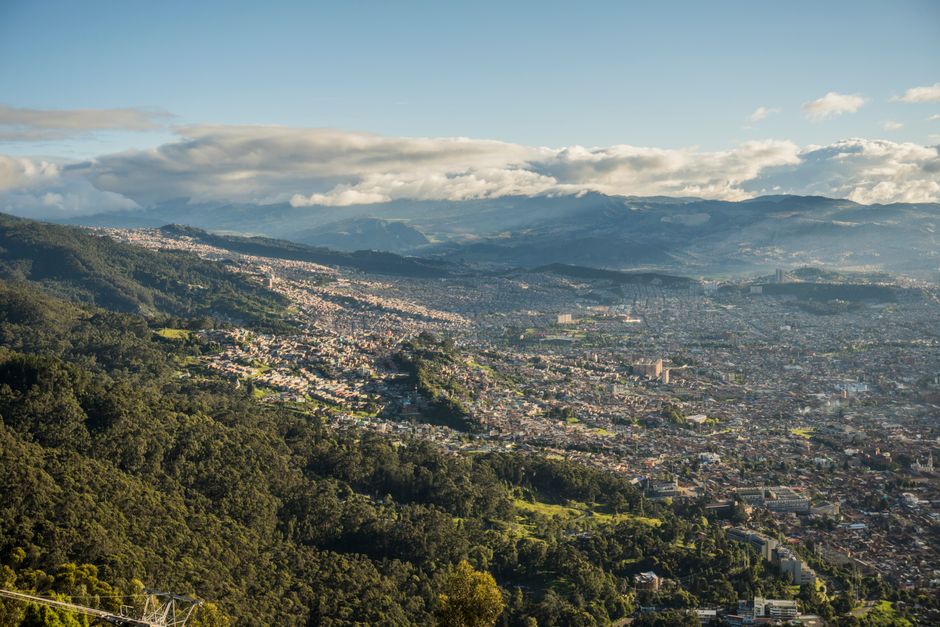
Photo by Juan Felipe Ramírez on Pexels
The fine address in Bogotá
Bogotá is a city for travellers who like their luxury with context. The pleasure is not only in the hotel or the restaurant. It is in the relationship between the address and the city around it: a museum before lunch, coffee after a walk, a table that takes Colombian ingredients seriously, and an evening that does not need to prove anything.
The 2026 Smart Tourist Destination recertification gives the city a timely new lens. It recognises a capital working toward a more sustainable, accessible and innovative visitor economy while still carrying the cultural depth that has always made Bogotá distinctive. Pair that forward-looking identity with the warmth of Colombia’s hospitality and you have a city that feels increasingly ready to be understood on its own terms.
Come for the recognition, stay for the details. Let the museums set the pace. Eat something that belongs to the highlands. Give the city more than a single night. And leave a little room for the unexpected conversation, café or street that becomes the part you remember most.
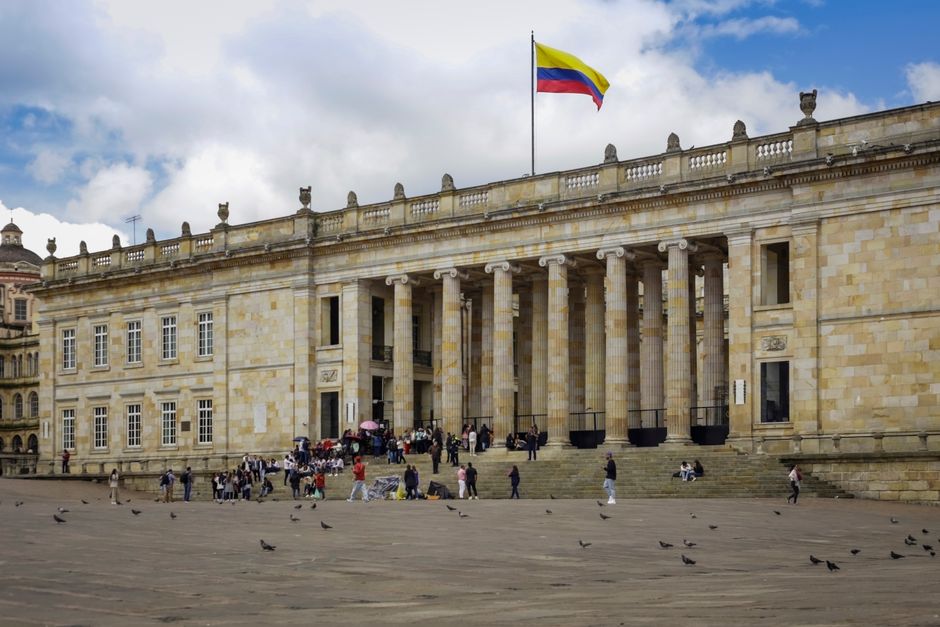
Photo by Gustavo Solmott on Pexels
Questions we get asked
Before you book
- What recent tourism recognition did Bogotá receive?
- At FITUR 2026, Spain’s SEGITTUR granted Bogotá recertification as a Smart Tourist Destination under its updated framework. Bogotá’s official announcement says the city met more than 80% of the requirements across governance, sustainability, accessibility, innovation and technology.
- How many days should you spend in Bogotá?
- Three days is a useful first visit: one day for the historic centre and museums, one for contemporary neighbourhoods and dining, and one for a deeper cultural choice or a carefully planned excursion. A longer stay gives the city more room to unfold.
- Where is the best area to stay in Bogotá?
- Chapinero or Quinta Camacho is a balanced first base for restaurants, cafés and contemporary city life. La Candelaria suits travellers prioritising museums and history, while Usaquén offers a calmer, more residential atmosphere.
- What should you pack for Bogotá?
- Pack layers, comfortable walking shoes and a light waterproof layer. The city’s highland climate can be cool and changeable, so flexible clothing is more useful than packing only for warm-weather conditions.
A considered conversation
Comments
Some links in this guide are affiliate links. If you book through them we may earn a commission at no extra cost to you — it never changes what we recommend. Read our disclosure.