On August 2, 2027, the Moon will turn daylight into darkness across a narrow path from Spain to Egypt. This is how to choose your place, your people and the trip you cannot take later.
Send this to the person you want standing beside you when the world goes dark.
On August 2, 2027, the Moon will cover the Sun across a narrow path running from the Atlantic through southern Europe, North Africa and the Middle East. Near Luxor, Egypt, totality will last roughly six minutes and 22 seconds. In southern Spain, the darkness will be shorter but the journey easier. In Morocco, the event will arrive with desert horizons, old cities and the kind of light that makes a photograph look invented.
Then it will be gone.
A total solar eclipse is not a landmark you can visit tomorrow if the weather is bad today. It is not a museum that stays open late. It is a moving shadow, a precise alignment and a brief appointment between the Earth, Moon and Sun. Miss totality by a few kilometres, and you have not seen the same event. Arrive a day late, and the sky has no sympathy.
That is why this trip deserves more than a hotel search. It deserves a decision.
The reason this eclipse is different
NASA lists August 2, 2027 as a total solar eclipse. The National Solar Observatory says the path will cross Spain, Gibraltar, Morocco, Algeria, Tunisia, Libya, Egypt, Saudi Arabia, Yemen and Somalia, with a maximum path width of about 258 kilometres.
The maximum duration near Luxor is expected to be approximately 6 minutes and 22 seconds. Current astronomy reporting describes it as the longest remaining totality of the 21st century. That does not mean every viewing site gets six minutes. It means the centre of the path offers an unusually long window to experience the event.
The European Space Agency’s Spanish map shows totality crossing southern Spain, including the Cádiz region. It also shows a shorter duration than the central Egyptian route, but southern Spain offers something the desert cannot: a wider range of hotels, roads, restaurants, towns and backup plans.
The choice is not simply “Egypt or Spain.” It is a choice about what kind of memory you want.
Choose your version of the story
The longest story: Luxor
Choose Luxor if the idea of ancient stone, desert air and the longest available totality makes your heart move faster. This is the cinematic version: temples, the Nile, the Valley of the Kings and a sky that turns black above one of the oldest landscapes in the world.
The practical warning is heat. August in Luxor can be intensely hot, and an eclipse viewing site needs shade, water, medical planning and a clear route in and out. Do not treat the event as an excuse to stand in an exposed field for hours without support. Book with a reputable local operator or choose a hotel and viewing site with proper arrangements.
Arrive early. Use the first days for short morning visits and long afternoons indoors or by the water. Keep the day before the eclipse calm. You want to reach totality rested, not dehydrated and exhausted from a dawn-to-midnight itinerary.
The most beautiful Luxor trip is not the one with the most monuments. It is the one that leaves you enough attention for the sky.
The easiest story: Cádiz and southern Spain
Choose southern Spain if you want the rare event to sit inside a generous European holiday. Cádiz gives you Atlantic light, seafood, old streets and a coastal rhythm. Andalucía offers more places to stay and more ways to spend the days before and after the eclipse.
The trade-off is duration. Totality will be shorter than near Luxor, and August demand may make the region busy. But ease has its own luxury. If one viewing point becomes impractical, southern Spain offers more realistic alternatives than a remote location with one road and one hotel.
Stay for several nights. Do not fly in for eclipse morning and out the same evening. The trip will be more memorable if the eclipse is the centre of a Spanish journey rather than a stressful interruption to it.
Think Cádiz, Jerez, the white towns or the Atlantic coast—not a frantic list of every famous Andalusian landmark. One excellent base will serve you better than five check-ins.
The most atmospheric story: Morocco
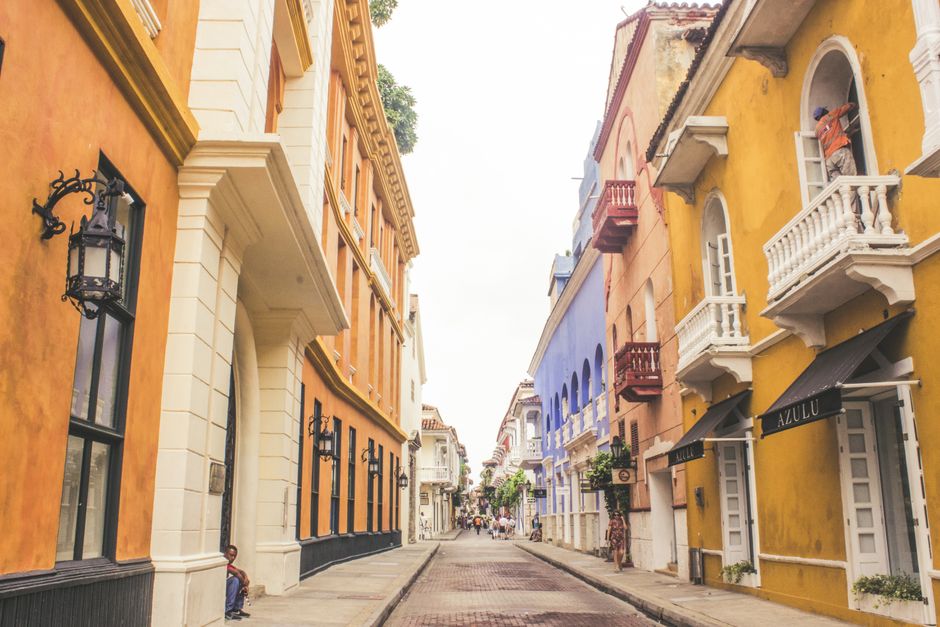
Choose Morocco if you want the eclipse framed by North African colour, architecture and open horizons. Tangier lies within the path of totality, and the country allows you to build a journey around medinas, Atlantic coast, food and desert landscapes.
The rule is to separate visual drama from logistical drama. A remote desert camp may look perfect online, but ask how you will reach it, where you will shelter, what happens if the road is delayed and who is responsible for the viewing plan. An eclipse is not the day to discover that your “secret location” has no shade or water.
Tangier is the practical gateway. From there, you can make the journey more expansive without making it chaotic. Leave a buffer before the event and avoid crossing the country on the final day.
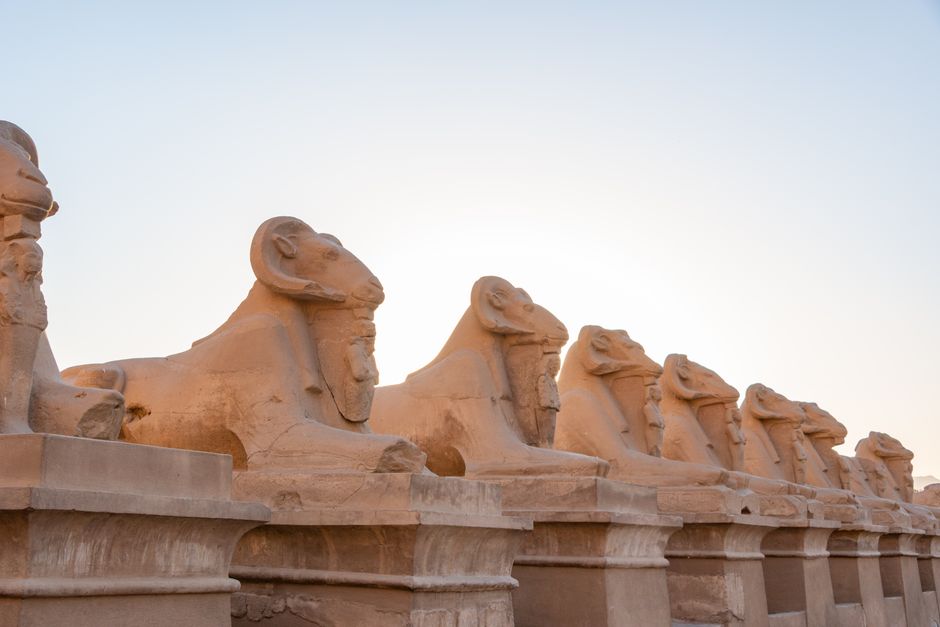
Photo by Diego F. Parra on Pexels
The five decisions to make now
You do not need every detail today. You do need to make the decisions that become expensive or impossible later.
| Decision | Why it matters | The calm choice |
|---|---|---|
| Country | The path is wide, but access is not equal | Pick the journey you would enjoy even without perfect weather |
| Viewing base | Totality depends on your exact location | Choose a base inside the path with a clear transfer plan |
| Length of stay | Eclipse-day traffic and demand are real | Add at least two buffer nights |
| Viewing support | Heat, crowds and timing create risks | Use a reputable local operator or prepared hotel site |
| Equipment | Totality is brief and partial phases are unsafe | Buy certified glasses and practise before the trip |
The best time to choose a country is before the conversation becomes a price comparison. Decide whether you are travelling for the longest darkness, the easiest holiday or the most atmospheric setting. Once you know that, the rest becomes simpler.
A countdown that does not create panic
Now: choose the story
Pick Luxor, southern Spain or Morocco. Share the article with the person you want to travel with and ask one question: “Which version would you remember most?” That is more useful than opening twenty hotel tabs.
6–9 months before: secure the address
Book refundable accommodation if possible, close enough to a reliable viewing location that you are not dependent on a single road. Check the actual cancellation terms. Eclipse demand can distort prices, and a room with a beautiful photograph is not automatically a good base.
3–6 months before: build the ground plan
Arrange airport transfers, local transport and any guided viewing experience. Confirm how you will reach the site, where you can shelter, what food and water are available and how the group leaves afterwards. Ask for the exact location, not a vague promise of “a perfect viewing spot.”
1 month before: practise the equipment
Test the camera, tripod, solar filter and glasses. Learn the contact times for your specific location. Put the important information offline. Tell everyone in the group that the first rule is eye safety, not getting the perfect photograph.
Eclipse week: stop adding plans
Arrive early enough to settle. Keep the final day light. Buy water before you need it. Check the local forecast, but do not let an app trigger a reckless last-minute drive. If you have chosen well, the plan should already include a sensible response to uncertainty.
What totality actually feels like
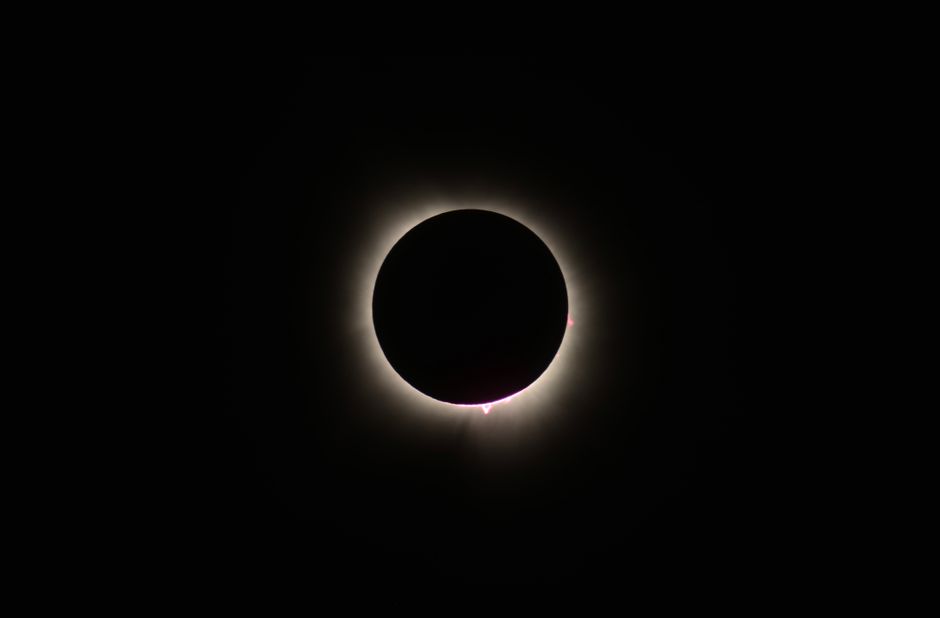
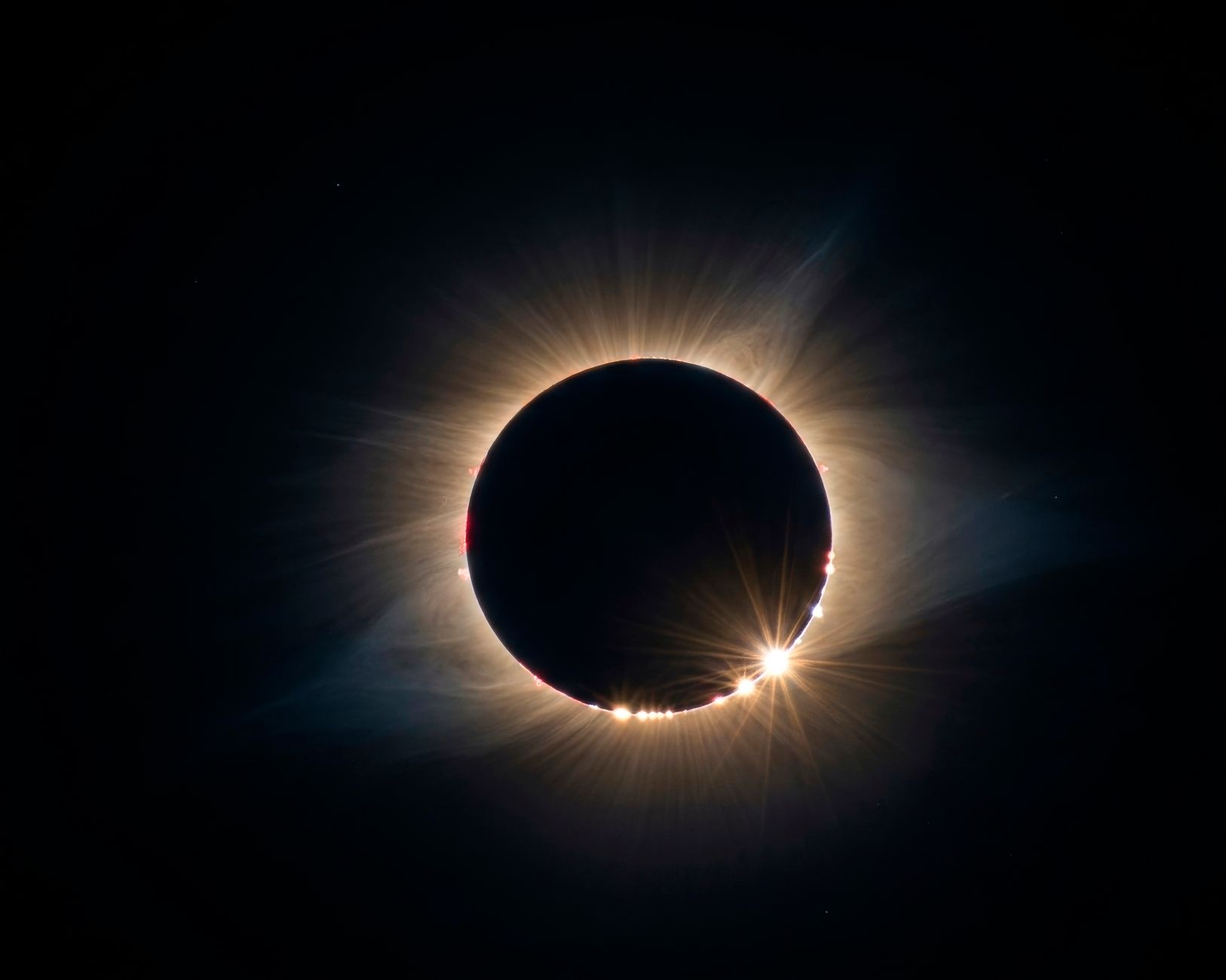
The partial phases are beautiful, but totality is a different category of experience. As the Moon covers more of the Sun, the light becomes strange. Shadows sharpen or ripple. The air changes. The horizon may glow in a circle of sunset.
Then the last bright bead disappears.
For a few minutes, you can look up without solar glasses because the Sun’s bright face is completely covered. The corona appears as a pale, irregular halo. Stars and planets may become visible. People who were talking stop talking. Some laugh. Some cry. Some stand completely still because the brain is trying to understand an ordinary sky behaving impossibly.
The moment is brief enough to remain intact in memory. That is one reason not to spend it entirely behind a screen.
Take photographs before and after. During totality, look. If someone in your group wants to photograph, give them that job in advance so everyone else is free to be present.
The safety rules are not optional
Never look at the Sun during the partial phases without proper solar viewing protection. Ordinary sunglasses are not safe. Use reputable eclipse glasses or a certified solar viewer, and follow the National Solar Observatory’s guidance.
During totality, direct viewing is safe only while the Sun’s bright face is completely covered. Put protection back on before the bright edge returns. For photography, use a proper solar filter before and after totality; a phone or camera sensor can be damaged by pointing it at the uneclipsed Sun.
If a tour operator treats safety as an afterthought, choose another operator. The best eclipse experience is calm, informed and unhurried.
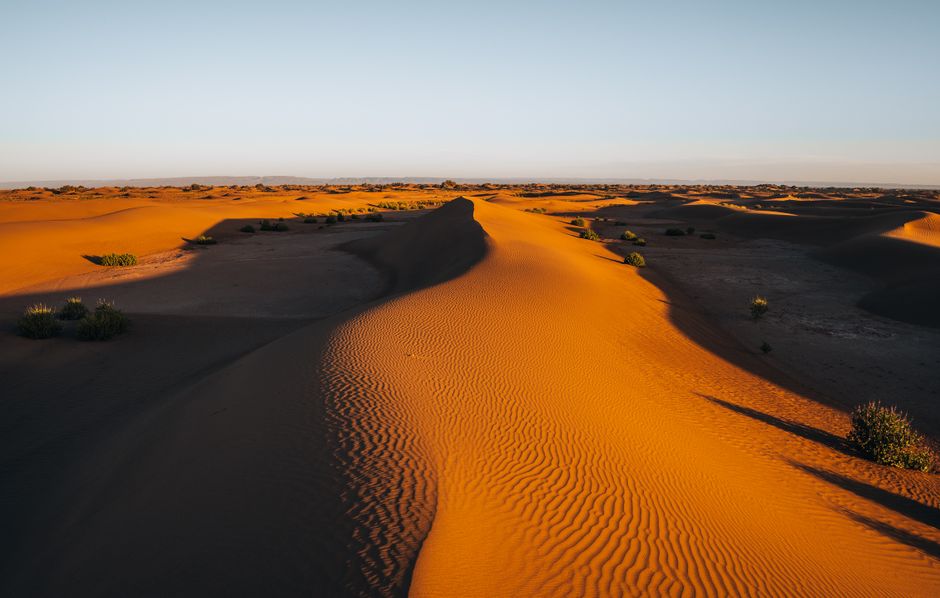
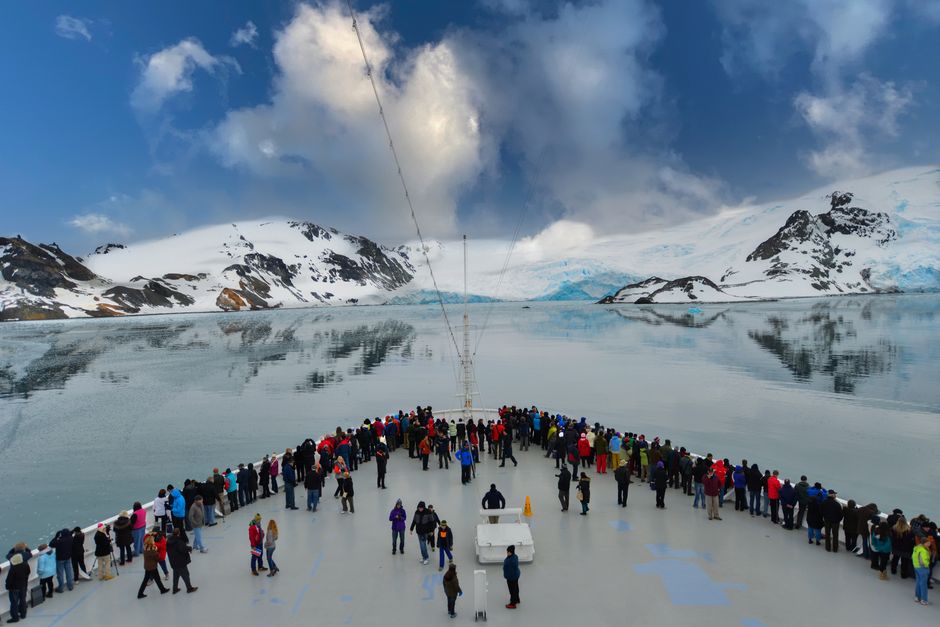
Photo by Stijn Dijkstra on Pexels
The image people will share is not the one you expect
Yes, the corona will be extraordinary. But the image that travels furthest may be a group of strangers looking up from a temple courtyard, a child’s eclipse glasses reflecting the darkened Sun, a line of palms beneath a violet horizon or a table abandoned halfway through lunch as the light changes.
The event is global because everyone understands the feeling of looking up together. You do not need to be an astronomer. You need to be inside the path and willing to let the sky interrupt your plans.
Make the visual story human. Photograph the anticipation, the waiting, the strange light and the quiet after. Do not turn the entire experience into proof that you were there.
After totality, stay
The roads may be crowded. The air will be hot. Everyone will want to leave at the same time. This is the moment when an extra night becomes the difference between a story and a headache.
Have a late meal. Sit somewhere shaded. Let the photographs copy. Talk about what surprised you. The eclipse will have lasted minutes, but the day should not end when the Sun returns.
The next morning, travel onward slowly. In Luxor, take the river or explore one site at a manageable hour. In Cádiz, walk the coast and have breakfast. In Morocco, stay with the city or landscape you chose instead of chasing another landmark immediately.
The fine address
You cannot take this trip later. You cannot see the same totality from the same place after the shadow has moved on. That is not a reason to panic. It is a reason to choose with intention.
Go to Luxor for the longest darkness. Go to southern Spain for the easiest beautiful journey. Go to Morocco for atmosphere and a wider sense of adventure. Choose the person beside you, the address that keeps you safe and the plan that leaves room for wonder.
On August 2, 2027, the world will not stop forever. It will stop for a few minutes.
That may be enough to remember how to look up.
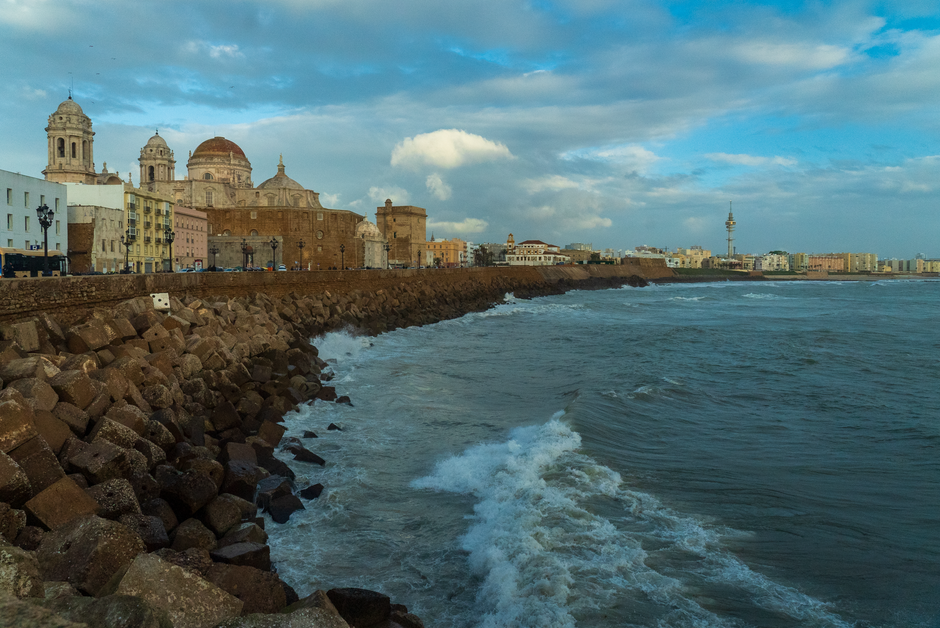
Photo by Atlantic Ambience on Pexels
Questions we get asked
Before you book
- Why is the 2027 solar eclipse special?
- It offers the longest remaining totality of the 21st century, with roughly 6 minutes and 22 seconds near Luxor, Egypt. The path also crosses several destinations that can support a full holiday around the event.
- Where should I go for the 2027 eclipse?
- Choose Luxor for maximum duration, southern Spain for easier European travel and flexibility, or Morocco for a strong North African cultural and visual setting. All planning must confirm the exact path of totality.
- How early should I book the eclipse trip?
- Start with the country and viewing base, then secure refundable accommodation and ground transport as early as practical. Add buffer nights and verify cancellation terms because demand may be unusually concentrated.
A considered conversation
Comments
Some links in this guide are affiliate links. If you book through them we may earn a commission at no extra cost to you — it never changes what we recommend. Read our disclosure.