Buenos Aires and Mendoza make an exceptional two-week Argentina luxury wine trip, provided you resist the urge to rush. This guide sets out the right split of nights, the best Mendoza base for your style, and where private touring is worth the money.
The real choice: city-first or vineyard-first?
An Argentina luxury wine trip works best when you stop trying to make Buenos Aires and Mendoza feel alike. One is a late-running capital of bookshops, design hotels, serious kitchens and dinners that begin at the hour most cities are considering bed. The other is a broad, dry wine landscape where the reward is time: a slow lunch, an unhurried bottle, the Andes changing character across an afternoon.
The decision is not whether to visit both. For a two-week first trip, you should. The decision is how to divide the time, where to spend on comfort, and how much wine touring is actually enjoyable before it becomes indistinguishable. My answer is six nights in Buenos Aires, six in Mendoza wine country, and two nights used for arrival, departure and the domestic connection. That gives the city enough room to become more than a checklist and Mendoza enough room to include a day without a corkscrew in sight.
Do not try to visit every famous bodega. Do not stay in central Mendoza simply because it looks convenient on a map if the vineyard experience is the point. And do not schedule a major tasting lunch on the afternoon you land. The pleasure of this pairing is contrast, not efficiency.
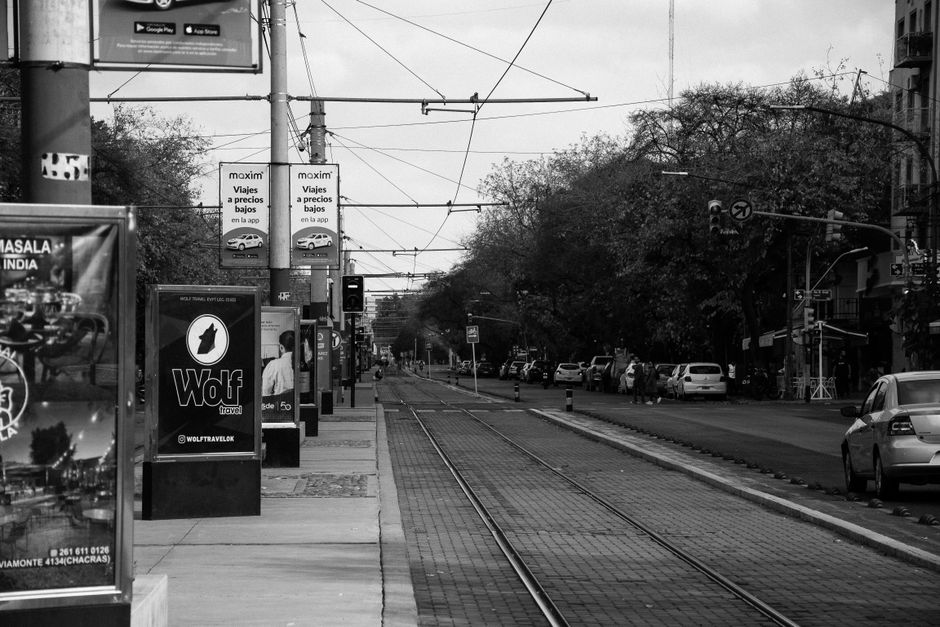
Photo by Andres Alaniz on Pexels
The shape of a two-week trip that does not feel rushed
International arrivals normally funnel through Buenos Aires, and Mendoza’s Francisco Gabrielli International Airport has domestic and regional connections; Aerolíneas Argentinas currently lists direct Buenos Aires–Mendoza service among its domestic routes. That makes a flight the rational link between the two, rather than an overland journey: the bus from Buenos Aires is roughly 14 hours, which is an interesting local option, not a good use of a polished fortnight. (aerolineas.com.ar)
I would structure the trip like this:
- Nights 1–6: Buenos Aires. Arrive, reset, then explore Palermo, Recoleta, Villa Crespo and San Telmo at a human pace.
- Night 7: travel day to Mendoza. Take the earliest sensible flight, not the first flight of the morning at all costs. Check into the city or Luján de Cuyo, have an easy dinner, and leave the serious drinking for tomorrow.
- Nights 8–12: vineyard base. Spend four or five nights in either Luján de Cuyo or the Uco Valley, with two full winery days, one lighter day, and one day for mountains, a spa or Mendoza city.
- Night 13: Mendoza city or Buenos Aires airport hotel. This is your insurance policy against a brittle itinerary. If flying home from Buenos Aires, return the previous day rather than betting an international departure on a same-day domestic connection.
- Night 14: fly home.
The international and domestic airports in Buenos Aires are not interchangeable. Ezeiza is the principal international airport; Aeroparque Jorge Newbery is much closer to the city and handles domestic routes as well as some regional services. Check the airport on every segment before locking in a hotel or transfer, because a change of airport can turn an apparently elegant connection into a day of luggage logistics. (aerolineas.com.ar)
Buenos Aires: spend on neighbourhood, not ceremony
Buenos Aires rewards a hotel in the right district more than a grand lobby on the wrong side of town. For most first-time visitors, I would choose Palermo Soho or Palermo Hollywood for a lively, walkable base with cafés, shops and a good chance of finding dinner without a tactical plan. Choose Recoleta if you prefer quieter streets, belle-époque architecture and a more traditional, polished atmosphere. San Telmo is best treated as an afternoon and evening destination unless you actively want its older, rougher-edged texture; it is not the automatic luxury choice many itineraries imply.
A good city stay has to support the way Buenos Aires actually operates. You may go out for a drink at 8pm, eat at 10pm, then walk home after midnight. Prioritise sound insulation, a reliable concierge and a neighbourhood you will enjoy using rather than a property whose appeal ends at breakfast. I would not pay a substantial premium for a rooftop pool here. It is pleasant in summer, but you are booking Buenos Aires for the streets, tables and theatres, not a lounger.
Give the city three distinct kinds of day. First, a walking day: start in Recoleta, move through the museum-and-park corridor, then cross towards Palermo for lunch and a long evening. Second, a food day: browse Villa Crespo and Chacarita, then reserve one excellent dinner rather than assembling five social-media snacks. Third, a historical day: San Telmo, Plaza de Mayo and the older centre, preferably with a guide who can explain the city rather than recite dates.
Tango is worth seeing once, but choose carefully. Avoid the dinner-show format if you care about food; it tends to make a mediocre meal part of the ticket. Go for a performance or a milonga-focused evening, eat elsewhere, and regard it as a night out rather than a cultural obligation. Equally, do not spend a precious evening queuing for an overexposed steakhouse. Buenos Aires has excellent beef, but the most satisfying meal may be vegetable-led, Italian-Argentine, Peruvian or simply a well-cooked plate of pasta with a bottle from a small Argentine producer.
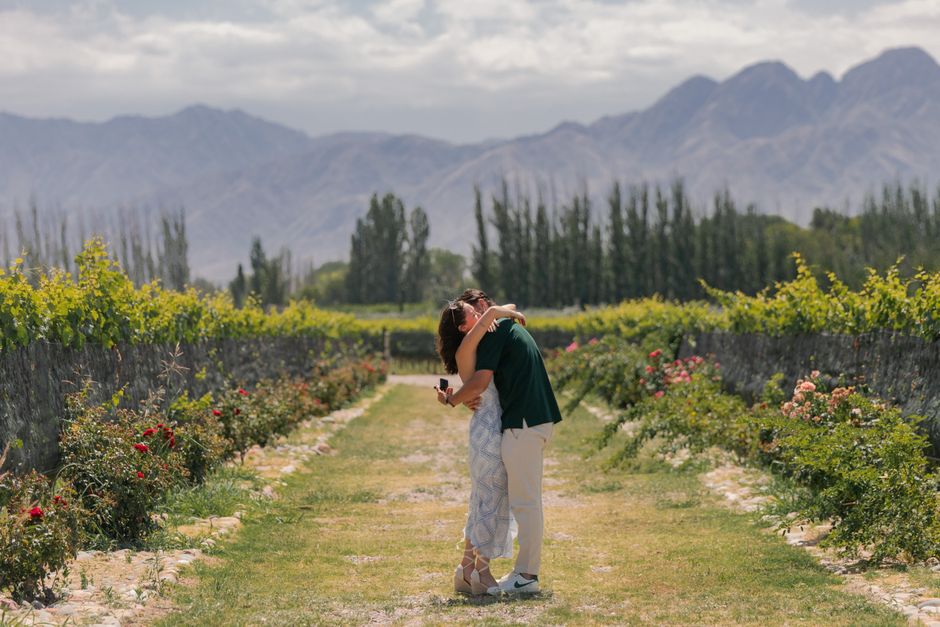
Photo by Lilen Diaz on Pexels
Mendoza: choose Luján de Cuyo or the Uco Valley, then commit
Mendoza is not one wine destination. The regional distinction matters more than most booking sites admit. The national wine institute identifies separate Mendoza areas including the central zone around Luján de Cuyo and Maipú, and the Valle de Uco around Tunuyán, Tupungato and San Carlos. Treating them as a single pin on a map is how travellers end up spending their holiday in a car. (argentina.gob.ar)
| Base | Choose it if | What you gain | The trade-off |
|---|---|---|---|
| Mendoza city | You want restaurants, urban energy and a shorter first night after flying in | Easy access to cafés, city dining and the leafy avenues around Parque General San Martín | Daily winery travel; it does not deliver the wake-up-in-the-vines experience |
| Luján de Cuyo | You want classic Malbec country with a practical rhythm | Convenient winery days, a lower-commitment rural stay and easier access from the city | Less dramatic mountain theatre than the Uco Valley |
| Uco Valley | The wine landscape and long, destination lunches are the purpose of the trip | Vineyards, altitude, Andes views and a genuine sense of retreat | Remote location, longer transfers and fewer spontaneous evening options |
Luján de Cuyo is the answer for travellers who want vineyard days without giving up flexibility. It is sensible for two or three nights, especially if you want to combine estates, a relaxed lunch and an easy return to your hotel. Maipú can work for a more casual, cycle-friendly day, but I would not choose it as the principal luxury base unless a particular property appeals. It is closer and flatter in feel; that is convenience, not romance.
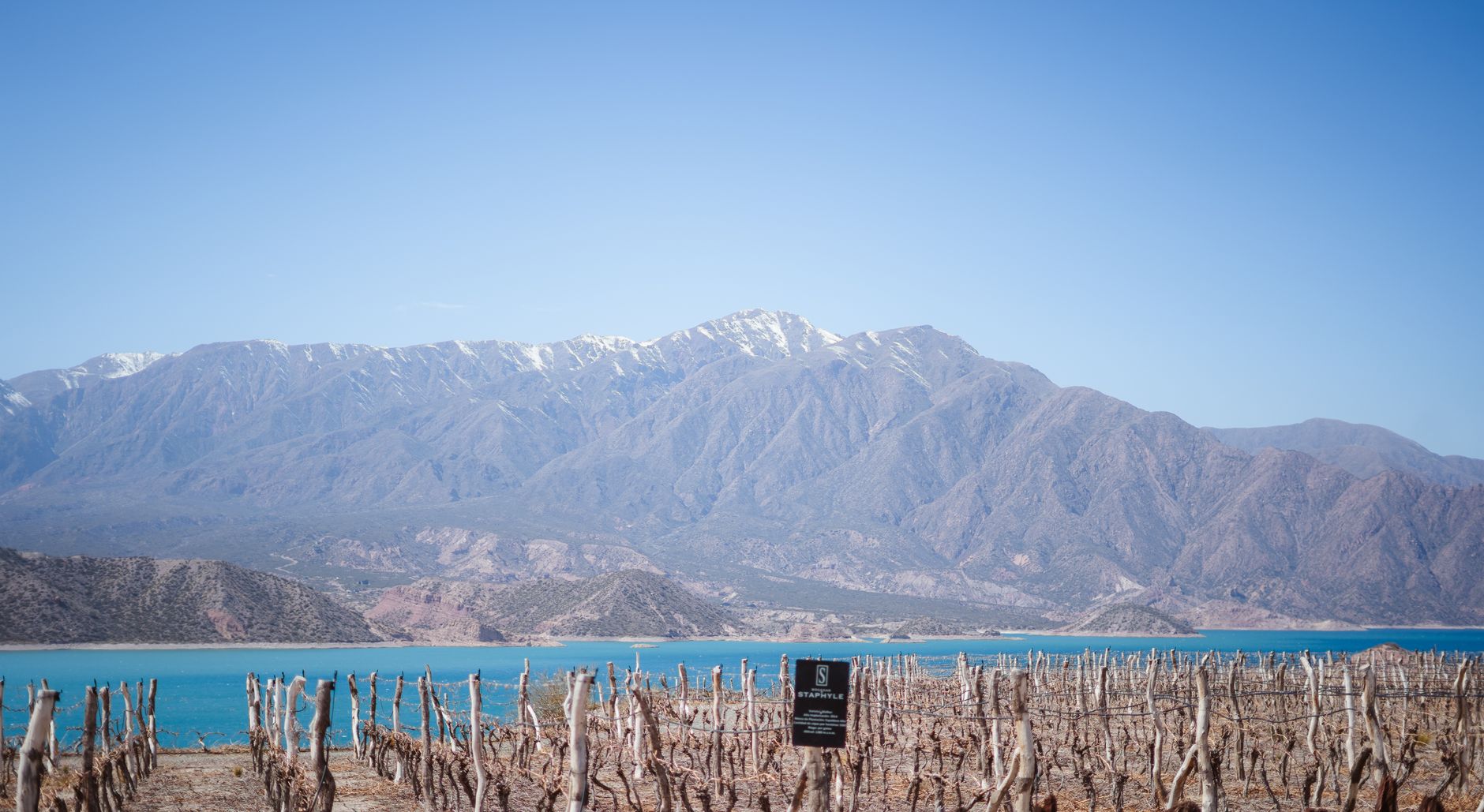
The Uco Valley is where I would spend the larger portion of a true wine-led stay. Its appeal is not merely that vineyards are present. It is that the scale is legible: high, open country, distant peaks and wineries designed around sitting still for longer than expected. The official tourism board explicitly positions the province around vines and mountains, and the Uco Valley is the more convincing expression of that pairing. (argentina.travel)
The cost is isolation. A hotel in the Uco Valley is not a base for popping out to several unrelated dinner reservations. Choose a property with a restaurant you genuinely want to eat in, and accept the quieter evenings. This is exactly why it complements Buenos Aires. If you want a bustling bar after dinner every night, stay in Luján de Cuyo or split the Mendoza portion: one night in the city, then four or five in Uco.
How many wineries are enough?
Two full tasting days are enough for nearly everyone. Three can work only if one is deliberately light: perhaps a morning tasting followed by a late lunch and no additional estate. The classic error is booking three wineries plus lunch every day because the map suggests it is possible. It may be possible; it will not be memorable.
Build one day around Luján de Cuyo, with two contrasting appointments: an established producer for context, then a smaller or more experimental estate. Build the other around the Uco Valley, where the landscape earns the longer lunch. Ask each winery what the tasting includes, whether lunch is separate, how long they expect the visit to last, and whether the reservation is private or joined. Those four questions prevent most disappointments.
Malbec deserves its place, but ordering it mechanically is a missed opportunity. Argentina’s national viticulture institute tracks a broad range of varieties, including Cabernet Franc, Bonarda, Chardonnay, Semillón, Torrontés and Pinot Noir alongside Malbec. Use Mendoza to compare how altitude, aspect and winemaking choices shape familiar grapes, rather than treating every tasting as a referendum on one label. (argentina.gob.ar)
Photo by Valentin Angel Fernandez on Pexels
When to go, and when not to force it
For this two-part itinerary, March to April and October to November are the most balanced periods. Autumn gives Buenos Aires a gentler pace and brings Mendoza’s harvest atmosphere; the Vendimia celebration is closely tied to the grape harvest and is centred in Mendoza. Spring gives you greener vines, outdoor lunches and pleasant city walking before summer heat becomes a consideration. (argentina.gob.ar)
March is not automatically the best month. It can be brilliant if you want harvest energy, but it is also busier, more operationally intense for wineries and less restful than the dream. Book early, expect more movement, and do not assume every producer can offer a long, leisurely private visit. If your priority is quiet service and a low-pressure rhythm, late April or early November is often the better call.
December through February can suit people who enjoy heat and are comfortable with an afternoon siesta rhythm. I would not choose mid-summer solely for vineyards: the sun is strong, and a full day of red wine at lunch is not an athletic achievement. June through August brings colder city evenings and bare vines; it can be atmospheric, especially with snow visible in the Andes, but it is not the first choice for a first Argentina wine trip.
The sensible splurges and the false economies
Spend on a room with a view or terrace in the Uco Valley if it makes you linger there. Spend on one excellent winery lunch. Spend on a private driver for the day when both people want to taste properly. These are the details that change the texture of the trip.
Save on a rental car if you plan to drink, unless one person is genuinely happy to stay sober all day. Save on trying to turn every meal into a tasting menu. And save one evening in Mendoza for something simple: grilled vegetables, empanadas, a salad, a bottle you discovered that afternoon. A luxury wine holiday should not feel like an endurance test disguised as pleasure.
The best version of Buenos Aires and Mendoza is therefore unequal by design: six quick, sociable city nights, followed by six slower vineyard days. Book the internal flight with a buffer, choose one wine region as your real base, and leave blank space around the lunches. You will remember the change of tempo long after you have forgotten which tasting came third.
Questions we get asked
Before you book
- How long should I spend in Buenos Aires and Mendoza?
- For most travellers, six nights in Buenos Aires and five to six nights in Mendoza is the right balance. Add an overnight buffer before an international departure from Buenos Aires rather than relying on a same-day domestic connection.
- Is the Uco Valley or Luján de Cuyo better for a luxury wine stay?
- Choose the Uco Valley if vineyard scenery, destination lunches and a retreat-like stay are the priority. Choose Luján de Cuyo if you want more flexibility, shorter winery transfers and easier access to Mendoza city.
- How many wineries should I visit in Mendoza?
- Two full winery days are sufficient for most people. Plan no more than two appointments on a full day, especially when lunch includes wine pairings; the aim is contrast and conversation, not collecting tastings.
- What is the best time of year for an Argentina luxury wine trip?
- March to April offers harvest energy and autumnal city weather, while October to November is excellent for green vines and outdoor lunches. Avoid choosing March automatically if you want the quietest, most unhurried winery service.
A considered conversation
Comments
Some links in this guide are affiliate links. If you book through them we may earn a commission at no extra cost to you — it never changes what we recommend. Read our disclosure.