Santorini is a victim of its own beauty, but you can still find quiet corners if you know where to look. Here is how to experience the caldera properly.
The first time I stood on the edge of the caldera, the wind was whipping off the Aegean, carrying the scent of wild thyme and salt. It was early May, just after dawn, and the famous white-washed alleys of Oia were entirely empty save for a local baker carrying a tray of fresh bread. This is the Santorini that exists before the cruise ships drop anchor, before the narrow paths become a slow-moving river of selfie sticks and sunhats. Finding that quiet, elemental version of the island requires strategy, but it is entirely possible. If you are looking for santorini luxury hotels caldera view, you need to know exactly where to look, and more importantly, when to go.
Santorini is a victim of its own extraordinary geology. The crescent-shaped island is the rim of a submerged volcano, and the towns clinging to its inner edge offer a perspective that genuinely has no equal in the Mediterranean. But that beauty draws millions. To experience it properly, you have to approach the island not as a checklist of famous viewpoints, but as a landscape to be inhabited slowly. The sheer scale of the cliffs, dropping hundreds of meters into the deep blue water, demands a certain reverence. It is a place that should be absorbed over days, not rushed through in a few frantic hours.
Choosing Your Village: The Caldera Hierarchy
The most crucial decision you will make is where to base yourself. The caldera villages are not created equal, and the experience of staying in them varies wildly. The atmosphere, the accessibility, and the angle of the view all change depending on which cluster of white buildings you choose to call home for a few days.
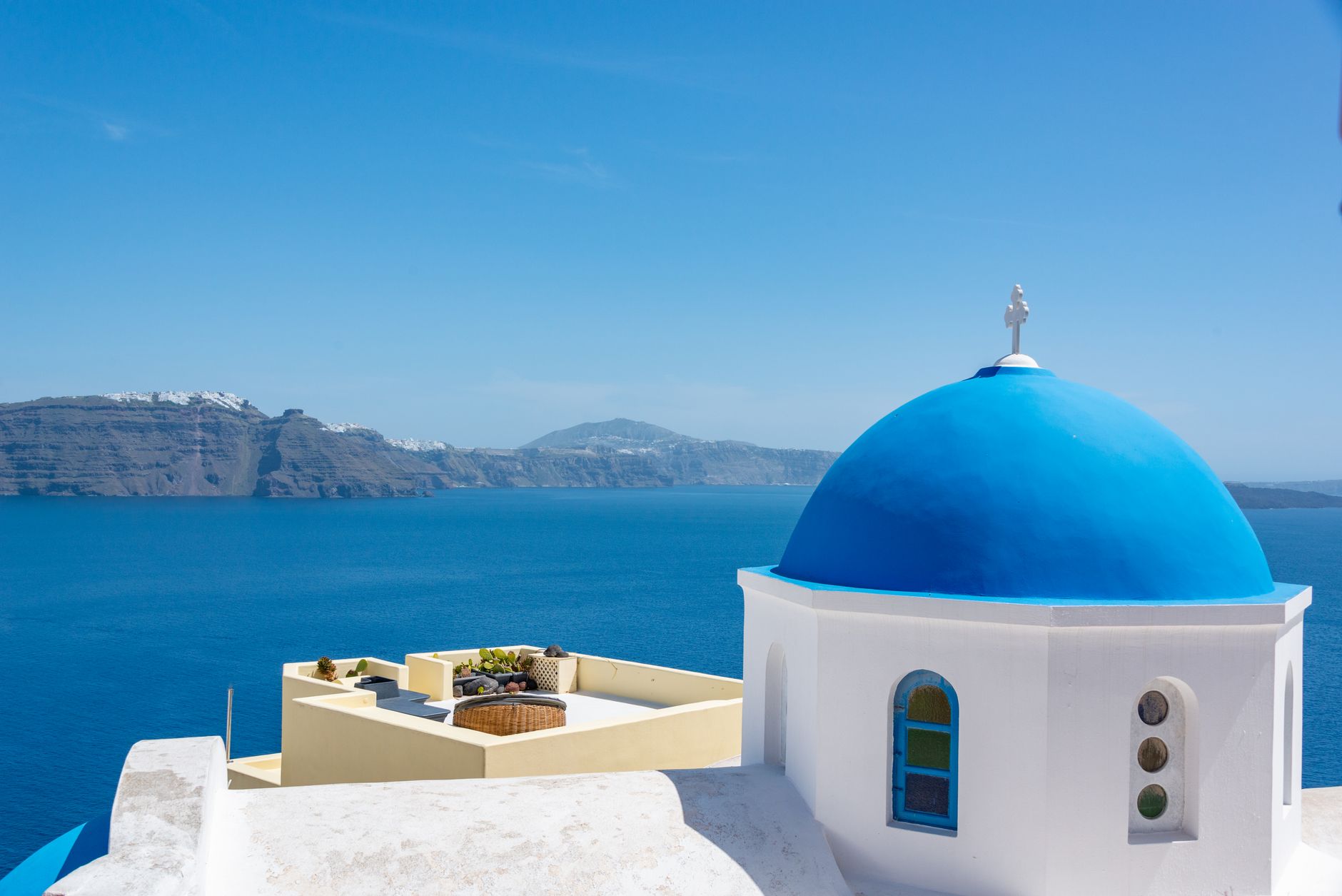
Oia is the postcard. It is undeniably beautiful, with its blue domes and windmills, but it is also the epicenter of the island's overtourism. By midday in July, walking its main marble-paved street feels like navigating a crowded music festival. The restaurants are packed, the boutiques are overflowing, and the sense of peace that the architecture suggests is entirely absent. If you must stay in Oia, you have to be an early riser, willing to explore at 6:00 AM and retreat to your terrace by 10:00 AM.
Imerovigli, on the other hand, is the highest village on the caldera rim. It offers views that are arguably superior to Oia's, looking down over the Skaros Rock, but with a fraction of the foot traffic. It is quieter, more residential in feel, and home to some of the most thoughtfully designed santorini luxury hotels caldera view. The paths here are less congested, the restaurants feel more intimate, and the overall pace is significantly slower. It is the village I return to most often, simply because it allows you to actually hear the wind and the sea.
Firostefani sits between Imerovigli and the bustling capital of Fira. It is a smart compromise: close enough to Fira to walk there for dinner, but far enough removed to maintain a sense of calm. The views here look back toward the volcano and the southern part of the island, offering a different but equally compelling perspective. It is also slightly more accessible, with fewer punishing staircases than Imerovigli.
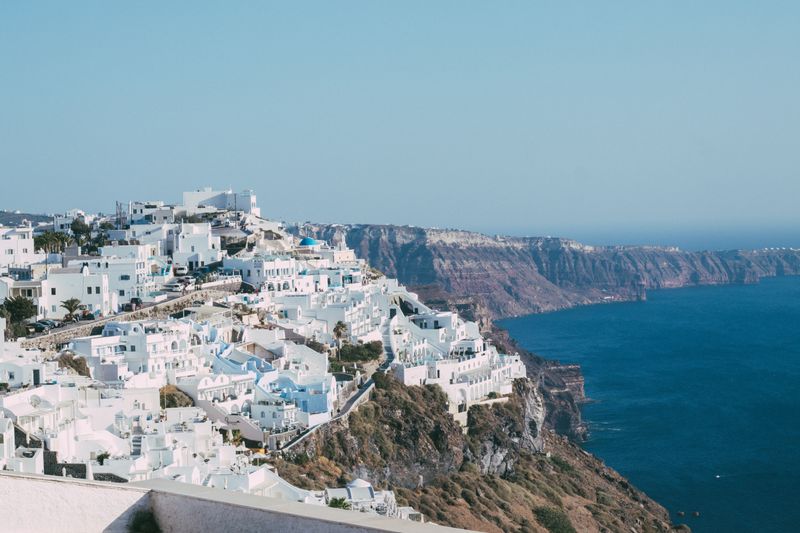
Photo by Pham Ngoc Anh on Pexels
When you are booking, you need to understand the geography of these cliffside properties. The very thing that makes them spectacular—their position spilling down the caldera wall—also makes them physically demanding. The stair problem is real. Many of the most desirable rooms require descending dozens, sometimes hundreds, of steep, uneven steps. If mobility is a concern, or if you simply do not want to hike a vertical cliff face after a long dinner, you must ask the hotel exactly how many steps lead to your room. Do not rely on the glossy website photos; they rarely show the climb. I have seen too many travelers arrive with heavy luggage, only to realize they have a grueling descent ahead of them.
The Reality of the Oia Sunset
Let us address the famous Oia sunset. You have seen the photographs: the sky turning bruised purple and gold behind the windmills, the white buildings glowing in the fading light. What the photographs do not show are the thousands of people packed shoulder-to-shoulder on the ruined castle walls, arriving hours early to claim a spot, and the collective groan when a cloud obscures the final moment.
It is an exhausting experience that strips the romance entirely from the evening. The narrow streets become impassable, the heat of the crowd is stifling, and the constant maneuvering for a better camera angle makes it impossible to simply enjoy the view. Instead of joining the crush, I prefer to watch the light change from the water.
Hiring a boat to sail the caldera in the late afternoon offers a completely different perspective of the island. You see the sheer scale of the cliffs, the strata of red and black volcanic rock, and you watch the sunset in relative silence, with a glass of Assyrtiko in hand. The water is calm, the air is cool, and you can appreciate the geological drama of the island without the distraction of a thousand other people. It is an investment, certainly, but it is one of the few Santorini experiences that genuinely lives up to the expectation.
When to Go: The Shoulder Season Strategy
The timing of your visit is just as important as your location. I strongly advise against visiting Santorini in July or August. The heat radiating off the stone is intense, the meltemi winds can be fierce, and the sheer volume of visitors strains the island's infrastructure. The magic of the island is easily lost when you are constantly fighting for space on a narrow path or waiting an hour for a table at a mediocre restaurant.
May is my preferred month. The light is sharp, the sea is just warming up, and the island feels fresh. The locals are opening their doors for the season with genuine energy rather than mid-summer fatigue. The wildflowers are often still in bloom, adding patches of yellow and purple to the stark volcanic landscape. You can walk the path from Fira to Oia without suffering from heat exhaustion, and you can usually find a table at a good taverna without a reservation.
Late September and October are equally compelling. The Aegean has had all summer to warm up, making it perfect for swimming, and the light takes on a softer, more golden quality. By October, the cruise ship schedules begin to thin out, and you can walk through Fira without feeling rushed. The grape harvest is finished, the island is exhaling, and the pace slows down considerably. It is the perfect time to sit on a terrace with a book and simply watch the boats move across the water.
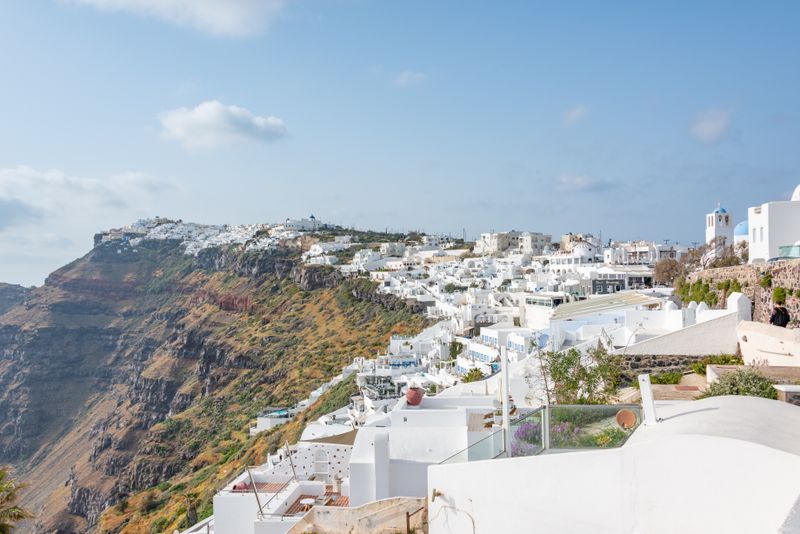
Photo by Diego F. Parra on Pexels
Comparing the Caldera Villages
To help you decide where to anchor your stay, here is a realistic comparison of the main caldera options.
| Village | The Vibe | Best For | Approximate Nightly Rate (Shoulder Season) |
|---|---|---|---|
| Imerovigli | Quiet, elevated, sophisticated | Uninterrupted views and privacy | €400 - €900+ |
| Oia | Iconic, bustling, photogenic | Early risers who want the classic shots | €500 - €1,200+ |
| Firostefani | Balanced, accessible, relaxed | Walking to restaurants without the noise | €300 - €600+ |
| Fira | Busy, commercial, convenient | Nightlife and transport connections | €200 - €500+ |
What I Would Skip
Beyond the Oia sunset crowds, there are a few other Santorini staples I happily bypass. The donkey rides up the steps from the old port in Fira are a tradition best left in the past; the path is steep, the animals work hard in the heat, and the cable car is a far more efficient and comfortable alternative. If you want to experience the steps, walk down them early in the morning, but take the cable car back up.
I also tend to avoid the restaurants lining the main caldera path in Fira. While the views are spectacular, the food is often an afterthought, priced for the location rather than the quality of the ingredients. You are paying for the real estate, not the cooking. Instead, walk a few streets back from the cliff edge, or head to the interior villages like Pyrgos or Megalochori. Here, you will find tavernas serving excellent, unpretentious local dishes like fava, tomatokeftedes (tomato fritters), and slow-cooked lamb at a fraction of the cost. The atmosphere in these inland villages is entirely different—more agricultural, more grounded, and far more authentic.
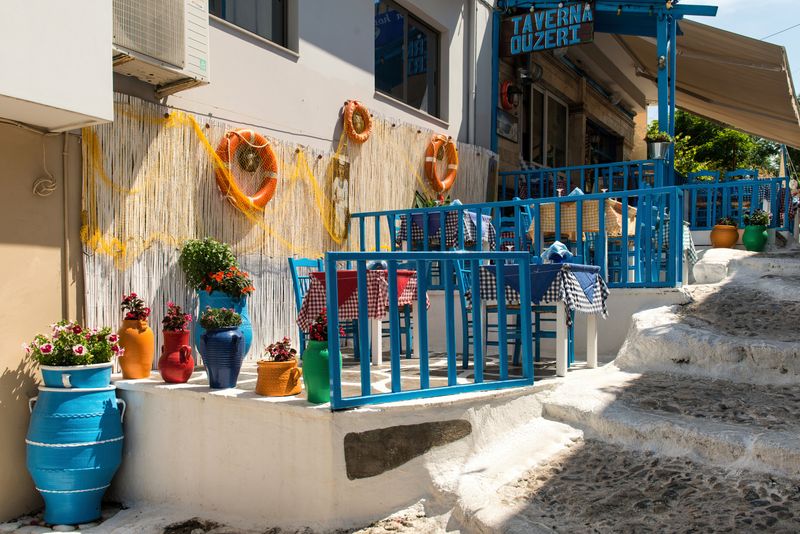
Photo by Wolfgang Weiser on Pexels
Practicalities: Getting There and Getting Around
Santorini's airport is small and frequently overwhelmed in the summer months. If you are flying in, try to secure a morning arrival before the afternoon backlog begins. The terminal can be chaotic, and baggage claim is often a test of patience. Direct flights from major European hubs are plentiful, but if you are connecting through Athens, consider the ferry.
The high-speed ferries take about five hours, but arriving by sea and sailing into the caldera is the most dramatic way to first see the island. The sheer walls of rock rising from the dark water give you a sense of scale that you simply do not get from the air. It is a slower approach, but it sets the right tone for the trip.
Once on the island, renting a car gives you the freedom to explore the southern beaches and interior wineries, but parking in the caldera villages is notoriously difficult. The roads are narrow, the traffic can be heavy, and finding a spot near your hotel is often impossible. If you plan to spend most of your time enjoying your santorini luxury hotels caldera view and walking to local restaurants, a car might be more of a burden than a benefit. Taxis are limited, so arrange transfers through your hotel in advance. If you do want to explore, consider renting a car for just one or two days rather than your entire stay.
The Final Verdict
Santorini requires a deliberate approach. If you arrive in peak season and follow the crowds, you will likely leave feeling exhausted and overcharged. The island's popularity is a double-edged sword, bringing incredible amenities but also overwhelming congestion. But if you choose your timing carefully and prioritize space over famous landmarks, the island still possesses a raw, volcanic power that is deeply affecting. It is a place that rewards those who are willing to look beyond the obvious.
For a first visit, I would book a room in Imerovigli in early October. I would look for a property that sits slightly lower on the cliff face to escape the wind, but high enough to avoid the main walking path. I would spend my mornings walking the caldera trail before the heat sets in, my afternoons reading on a shaded terrace, and my evenings eating at a quiet taverna inland. I would skip the crowded sunset spots and instead watch the light fade from the privacy of my own balcony. That is the Santorini that stays with you long after you have left, the version of the island that justifies the journey and the expense.
Planning Your Caldera Escape
Questions we get asked
Before you book
- When is the best time to visit Santorini to avoid crowds?
- May and late September to October offer the best balance of warm weather and manageable visitor numbers. The sea is still swimmable in October, but the cruise ship traffic drops significantly.
- Is Oia worth visiting despite the crowds?
- Yes, but timing is everything. Visit Oia at sunrise or early morning before the cruise ship passengers arrive, and avoid the famous sunset viewpoints which become uncomfortably packed.
- Which village is best for a quiet stay?
- Imerovigli is the highest village on the caldera and offers spectacular views with a fraction of Oia's foot traffic. Firostefani is another excellent, slightly more accessible alternative.
Some links in this guide are affiliate links. If you book through them we may earn a commission at no extra cost to you — it never changes what we recommend. Read our disclosure.