Forget the pressure of the perfect trip. Here is a practical framework for matching your travel style to the right honeymoon, whether you want pure isolation or a high-speed cultural tour.
The pressure to plan the perfect post-wedding trip is immense. You have just spent months orchestrating a major life event, and now you are expected to immediately pivot to designing the trip of a lifetime. It is no wonder so many couples end up defaulting to whatever looks good on a screen, only to find themselves bored on a beach on day three, or exhausted from a multi-country sprint by day seven. Finding the best luxury honeymoon destinations is not about looking at a ranked list; it is about having an honest conversation about how you actually like to travel.
I have seen couples book three weeks in French Polynesia when neither of them particularly likes swimming, and I have seen people plan aggressive European cultural tours when all they really needed was a sun lounger and a strong drink. The trick is to stop thinking about the destination first, and start thinking about the pace. You need a framework.
The Beach-Only Purists
If the wedding planning process has left you entirely depleted, lean into it. There is absolutely no shame in wanting to do nothing but move between a bed, a pool, and a dining table for two weeks. The best luxury honeymoon destinations for pure relaxation are those that remove all friction from your day.
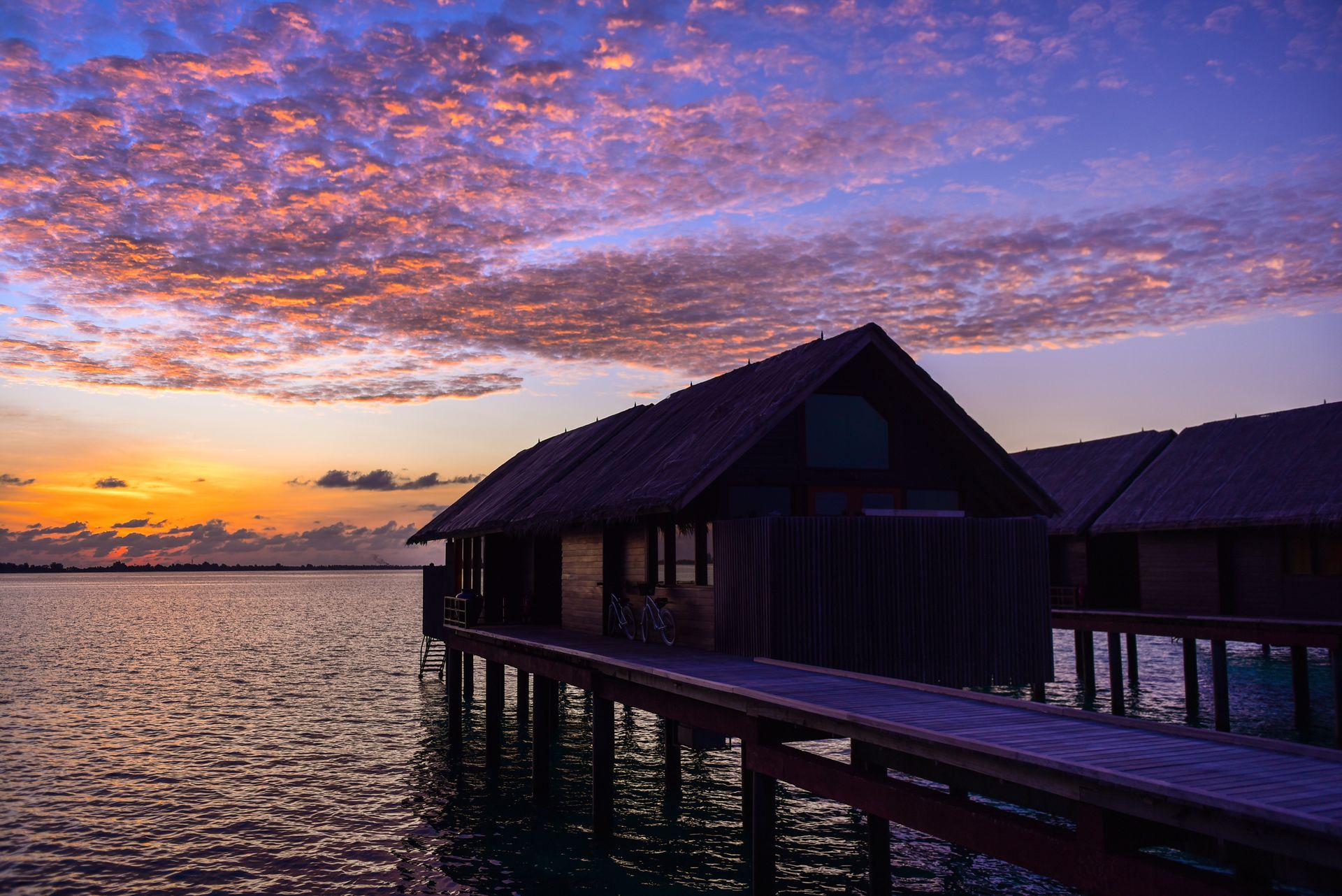
You want a property where the service is anticipatory rather than reactive. The Maldives remains the gold standard for this specific type of isolation. You are essentially captive on a private island, which forces you to slow down. Look at properties in the Baa Atoll, where the marine life provides just enough distraction. Expect to pay roughly $1,500 to $3,000 a night for a proper overwater villa with a pool.
If the Maldives feels too remote, the Caribbean offers excellent alternatives with half the flight time from the US. Anguilla delivers exceptional food and quiet beaches, while St. Barts provides a more social, scene-driven version of relaxation. The key here is to avoid mega-resorts. You want boutique properties with fewer than fifty rooms, where the staff know your coffee order by the second morning.
The Active and Restless
Some couples find the idea of sitting still for a fortnight genuinely distressing. If your idea of a good time involves hiking boots, early mornings, and a sense of accomplishment, your honeymoon should reflect that.
New Zealand’s South Island is arguably the premier destination for high-end active travel. You can spend your days heli-hiking on glaciers or fly-fishing in remote streams, and your evenings in lodges that rival anything in Europe for comfort and culinary ambition. The lodge circuit here is well-established, though you should expect to spend around $2,000 a night for the top-tier properties, which typically include meals and guided activities.
Alternatively, consider Patagonia. The luxury lodges in Torres del Paine have mastered the art of pairing rugged daytime exploration with evening indulgence. You spend eight hours trekking through fierce winds and dramatic landscapes, only to return to a deep soaking tub, a roaring fire, and an excellent bottle of Carmenère. It is a specific type of luxury—one earned through physical effort.
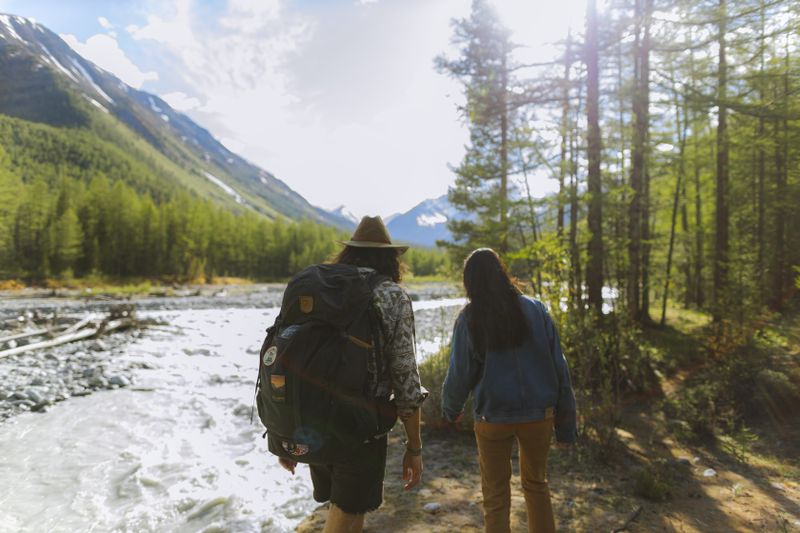
Photo by Yaroslav Shuraev on Pexels
The Culture-Hungry
If your shared joy comes from navigating foreign cities, deciphering menus in other languages, and spending hours in museums, a beach resort will feel like a punishment. You need density and history.
Japan is currently the most compelling option for a high-culture honeymoon. It offers a seamless blend of hyper-modernity and deep tradition. A two-week itinerary splitting time between Tokyo, Kyoto, and a rural ryokan provides a perfect cadence. The ryokan experience—sleeping on tatami mats, bathing in onsen, and eating elaborate kaiseki dinners—is intensely romantic and entirely unique to the country.
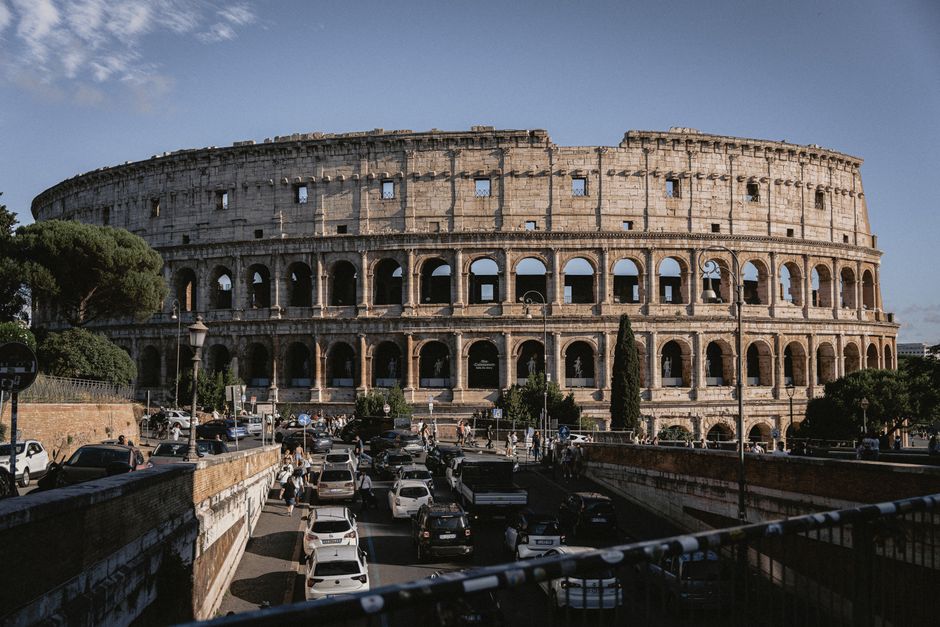
Italy is the classic choice, but it requires careful handling to avoid the crowds. Skip the Amalfi Coast in July; it is hot, overpriced, and frustrating to navigate. Instead, look at Puglia in September, or the quieter corners of Sicily. You still get the food, the architecture, and the wine, but without the feeling that you are sharing your honeymoon with half of North America.
Split-the-Difference: The Hybrid Honeymoon
Most couples fall somewhere in the middle. One person wants to read a book by the pool; the other wants to explore ruins. The solution is a hybrid itinerary, but the execution is critical. Do not try to cram too much in. Two weeks in one place often beats three countries.
South Africa is the ultimate hybrid destination. You can spend four days on safari in the Sabi Sands, three days eating and drinking your way through the Cape Winelands, and five days relaxing in Cape Town or along the coast. It delivers wildlife, world-class food, and stunning landscapes in a single trip, with minimal time zone changes if you are flying from Europe.
Bali also works well for this, provided you choose your locations carefully. Spend a week in the jungle near Ubud for culture and hiking, then move to the coast—perhaps Uluwatu or a quieter island like Sumba—for the beach portion. The value proposition in Southeast Asia remains incredibly strong; a $800-a-night budget here buys a level of luxury that would cost triple in the Caribbean.
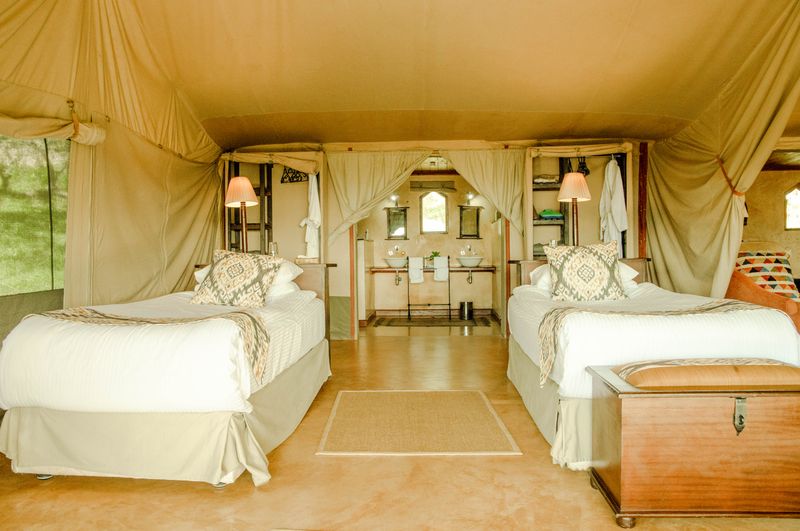
Photo by Entumoto Safari Camp on Pexels
The Practicalities: When, How Long, and How to Get There
The biggest mistake couples make is ignoring the logistics. A destination might look perfect on paper, but if it requires three flights, a layover, and a boat transfer, you will lose two days of your trip just getting there.
Flight Tolerance: Be honest about how long you are willing to sit on a plane. If you only have ten days, do not fly to the Maldives from New York. The jet lag and transit time will eat up half your trip. Stick to destinations within an eight-hour flight.
Duration: Ten to fourteen days is the sweet spot. Anything less feels rushed; anything more, and you risk travel fatigue. If you are doing a hybrid trip, allocate at least four nights per location. Two-night stays are exhausting.
Seasonality: Do not fight the weather. If you are getting married in August and want a Caribbean beach, you are risking hurricane season. Either delay the honeymoon until the weather is optimal, or change the destination. A "mini-moon" immediately after the wedding, followed by the main trip six months later, is an increasingly smart strategy.
What I Would Skip
I am generally skeptical of the multi-country European sprint. Trying to do London, Paris, and Rome in twelve days is a recipe for arguments and exhaustion. You spend all your time in train stations and airports, and you never actually settle into a rhythm. Pick one country, or at most, two cities connected by a direct, short train ride.
I would also advise caution with the Amalfi Coast during peak summer. The infrastructure simply cannot handle the volume of visitors. The traffic is miserable, the restaurants are overbooked, and the prices are entirely disconnected from the quality of the experience. If you must go to Italy in July, head to the Dolomites or the lesser-known coastal towns in Le Marche.
Comparing the Options
To help clarify the decision, here is a breakdown of how different regions compare for a two-week luxury trip.
| Destination | Best For | Ideal Season | Approx. Nightly Budget | The Vibe |
|---|---|---|---|---|
| The Maldives | Pure isolation, zero friction | Nov - April | $1,500 - $3,000 | Barefoot luxury, total privacy |
| New Zealand | Active exploration, landscapes | Dec - March | $1,200 - $2,500 | Rugged elegance, outdoor focus |
| Japan | Culture, food, distinct aesthetics | March - May, Oct - Nov | $800 - $1,800 | Refined, structured, fascinating |
| South Africa | The hybrid experience (safari + city) | May - Sept (Safari) | $1,000 - $2,500 | Dynamic, varied, wildlife-heavy |
| Bali & Sumba | High value, jungle-to-beach | May - Sept | $600 - $1,500 | Spiritual, lush, design-forward |
The Final Verdict
If a close friend asked me what to book right now, assuming a healthy budget and a two-week window, I would point them toward a split itinerary in Japan. It is one of the few places that genuinely feels different from everywhere else, and the level of hospitality is unmatched globally.
Start with four nights in Tokyo at a property like the Aman or the new Janu, where the city feels manageable from a high vantage point. Take the bullet train to Kyoto for three nights of temple-hopping and incredible meals. Then, retreat to a high-end ryokan in the mountains—perhaps in Hakone or the Kiso Valley—for three nights of absolute stillness, hot springs, and kaiseki dinners. Finish with a few days in Okinawa or a quiet coastal town if you desperately need a beach.
It requires a bit more planning than booking a single resort, but it delivers a depth of experience that a pure beach holiday rarely matches. You return home not just rested, but genuinely inspired. And that, ultimately, is the point of the trip.
Questions we get asked
Before you book
- How far in advance should we book our honeymoon?
- For the best luxury honeymoon destinations, aim for nine to twelve months out. High-season availability at top-tier properties vanishes quickly, especially for specific room categories like overwater villas or corner suites.
- Is it better to do one destination or multiple countries?
- Two weeks in one place often beats three countries. Minimising transit time reduces stress and allows you to actually settle into the rhythm of a place rather than constantly packing and unpacking.
- How much should a luxury honeymoon cost?
- Expect to spend roughly $10,000 to $25,000+ for a two-week luxury trip, depending heavily on flight classes and whether you choose a high-cost region like French Polynesia or a high-value one like Southeast Asia.
Some links in this guide are affiliate links. If you book through them we may earn a commission at no extra cost to you — it never changes what we recommend. Read our disclosure.