The Great Migration is not a single event, and true privacy on safari costs more than you think. Here is how to choose a Serengeti camp that actually delivers.
There is a persistent, expensive misunderstanding about the Serengeti. Most first-time visitors arrive expecting the Great Migration to be a single, scheduled event. They book a lodge they saw in a glossy magazine, turn up in August, and are entirely baffled to find the herds are three hundred miles away.
The reality is that the migration is a continuous, year-round cycle driven entirely by rainfall. Over two million wildebeest and zebra are in perpetual motion across the Serengeti-Mara ecosystem. If you want to see them, you cannot simply book a famous hotel and hope for the best. You have to match your geography to your calendar. This is the single most important factor when looking for the best luxury serengeti safari camps. If you get the location wrong for your month of travel, no amount of thread count or vintage champagne will make up for the lack of wildlife outside your canvas walls.
I have spent months in northern Tanzania over the years, sleeping in everything from fly camps under the stars to lodges that cost more per night than a small car. What I have learned is that brochure luxury—plunge pools, air conditioning, and silver service—often works in direct opposition to the actual safari experience. True luxury in the bush is not about the fixtures in your bathroom. It is about proximity to the wildlife, the quality of your guide, and, most crucially, the absence of other vehicles.
The Migration Myth and Getting Your Timing Right
To choose the right camp, you first need to understand where the animals are likely to be. The cycle roughly follows a clockwise direction. From late December through March, the herds congregate in the short-grass plains of the southern Serengeti and the Ndutu region. This is calving season. Around February, half a million calves are born within a three-week window. It is chaotic, noisy, and attracts every predator for miles. If you are travelling in these months, you want a camp in the south.
By April and May, the long rains arrive, and the herds begin moving north and west through the central Serengeti and the Western Corridor. This is a transitional period. The grass is high, the roads can be treacherous, and many camps close entirely. I actually love the Serengeti in May—the light is extraordinary, the dust is gone, and you have the plains largely to yourself—but you have to be prepared for wet afternoons and harder game viewing.
From July to October, the herds are in the northern Serengeti, massing along the banks of the Mara River. This is when you see the dramatic river crossings that feature in every wildlife documentary. It is thrilling, but it is also the busiest and most expensive time to visit. If you want to see a crossing, you need a camp in the Lamai or Kogatende areas.
Mobile Camps vs. Permanent Lodges
Once you know which region you need to be in, you have to decide between a mobile tented camp and a permanent lodge. This is where many travellers make a mistake, assuming that "mobile" means roughing it.
The best luxury serengeti safari camps are often mobile. These camps are semi-permanent setups that move two or three times a year to anticipate the migration's path. They are entirely under canvas. You will have a proper bed with crisp linens, a writing desk, and an en-suite bathroom. The difference is that your shower will likely be a traditional bucket shower—filled with hot water by your attendant on request—and you will not have air conditioning or a swimming pool.
What you get in exchange for giving up a plunge pool is an immersion in the environment that a permanent structure simply cannot offer. You hear the lions roaring at night with nothing but a layer of canvas between you and the darkness. More importantly, because these camps move, they are always positioned in the thick of the action.
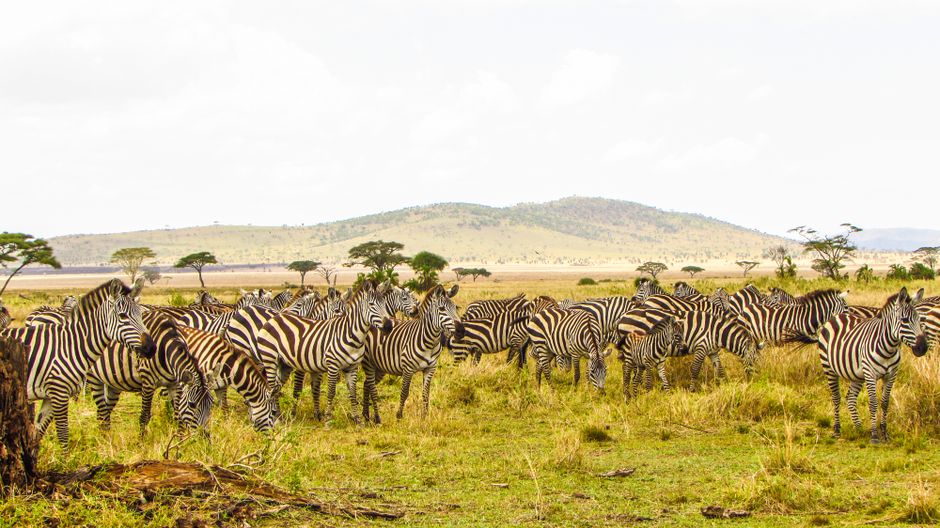
Photo by Maasai Magic on Pexels
Permanent lodges, on the other hand, are fixed. They offer the conventional trappings of a five-star hotel: vast suites, glass windows, running water, spas, and extensive wine cellars. They are incredibly comfortable, but they cannot move. If you book a permanent lodge in the central Serengeti in September, you will have a beautiful room, but you will have to drive for hours to see the migration.
My strong preference is always for a mobile camp, or a hybrid approach: start with three nights in a mobile camp for the raw, authentic experience, and finish with two nights in a permanent lodge to wash the dust off and enjoy a spa treatment before flying home.
The Cost of True Privacy: Private Conservancies
If there is one piece of advice I give to friends planning a Tanzanian safari, it is this: strongly consider staying in a private conservancy rather than inside the national park itself.
The Serengeti National Park is spectacular, but it is public. At a major sighting—a leopard in a tree, or a river crossing—it is not uncommon to see twenty or thirty vehicles jockeying for position. It can feel more like a traffic jam than a wilderness experience. Furthermore, park rules are strict: vehicles must stay on the designated roads, you must be back in camp by sunset, and walking safaris are heavily restricted.
Private conservancies, which border the national park, operate differently. These are vast tracts of land leased from local Maasai communities. The wildlife moves freely between the park and the conservancies, but the humans do not. Only guests staying at the camps within the conservancy are allowed to drive there.
This means that when you find a pride of lions, you might be the only vehicle there. You can sit in silence and actually watch their behaviour, rather than listening to the idling engines of a dozen other Land Cruisers. Because the land is privately managed, the rules are different. Your guide can drive off-road to get closer to a sighting. You can go on night drives with a spotlight to see nocturnal species like aardvarks and leopards on the hunt. You can go on proper walking safaris.
Staying in a conservancy is expensive. You are paying a premium for exclusivity and for the conservation model that supports the local communities. But if you are already spending a significant amount of money to get to Africa, it is worth paying a little more to ensure you are not sharing your safari with a crowd. It is the defining characteristic of the best luxury serengeti safari camps.
Why Fly-In Beats Long Drives
There is a romantic notion of the overland African safari—bumping along dusty roads in a Land Cruiser, watching the landscape change. I am here to tell you that the romance wears off after about four hours.
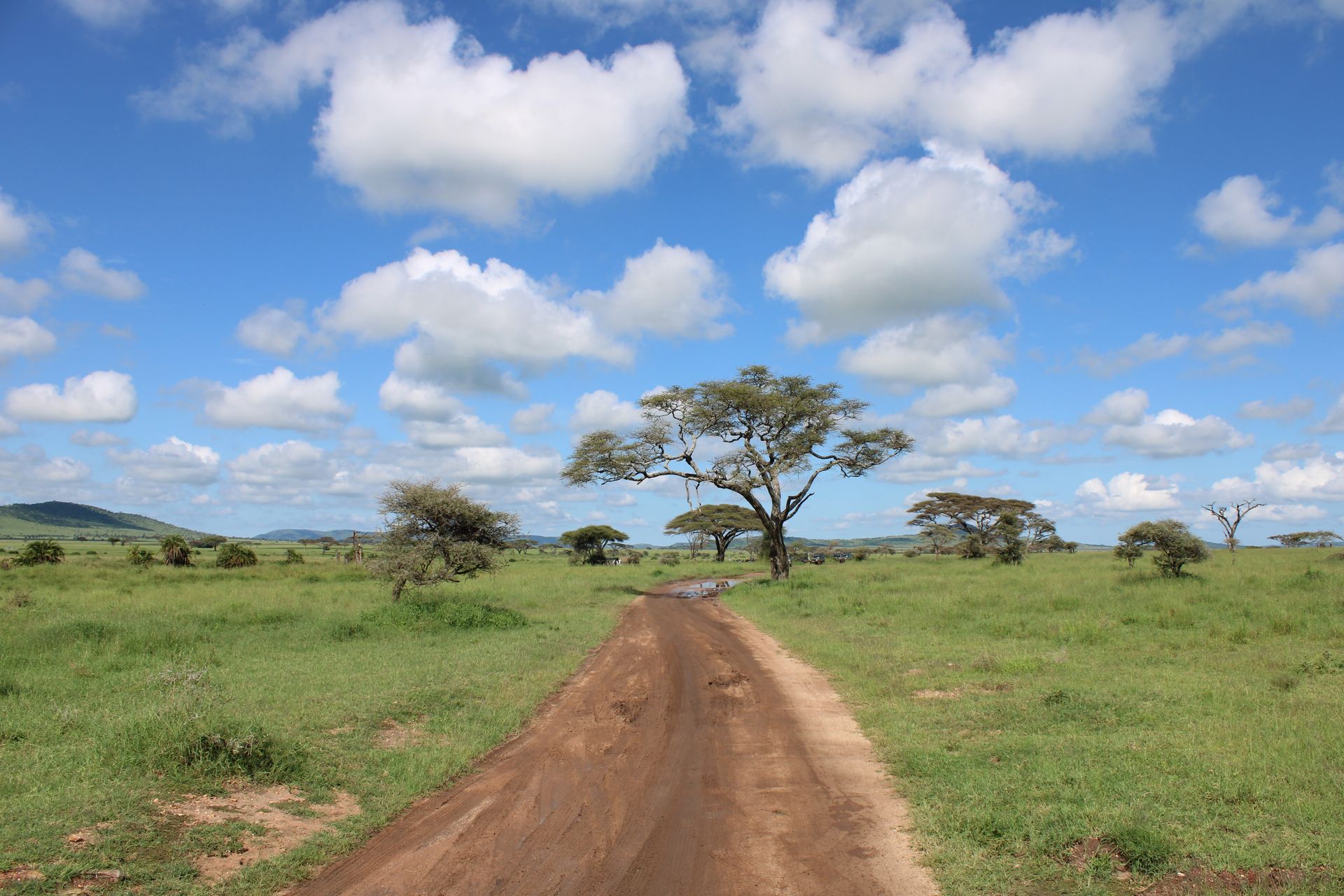
Tanzania is vast, and the roads between the major parks are rough, corrugated, and heavily trafficked by supply trucks. Driving from Arusha to the northern Serengeti can take the better part of two days. That is two days of your expensive holiday spent looking at the back of a truck through a dusty windshield.
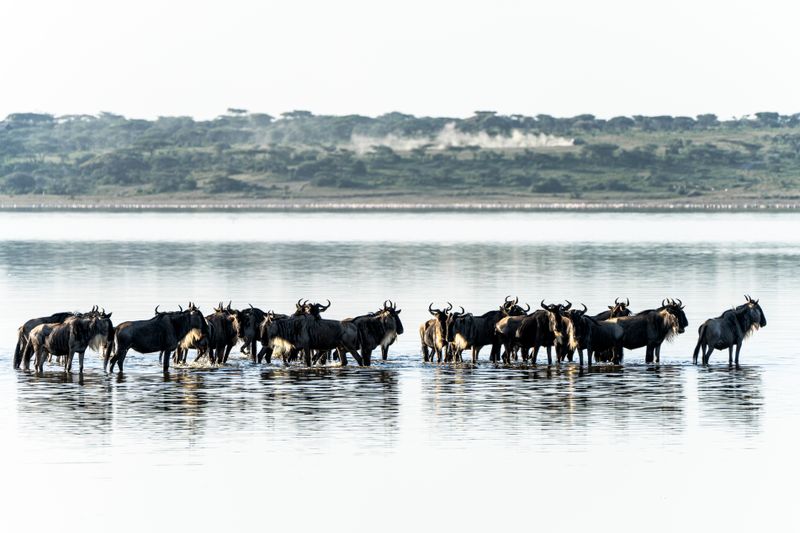
Photo by Hugo Sykes on Pexels
Instead, you should book a fly-in safari. A network of light aircraft—mostly Cessna Caravans—connects the major airstrips across the Serengeti. A journey that would take twelve hours by road takes forty-five minutes by air. You fly low over the plains, getting an extraordinary aerial perspective of the landscape and the herds, and you land on a dirt strip where your guide is waiting with a cold drink.
Yes, the flights add to the cost, but they save you days of exhausting travel. When you calculate the per-night cost of your safari, wasting two days in transit is a false economy.
Comparing the Options
To help make sense of the geography and the timing, here is a rough guide to the regions, when they peak, and what you should expect to pay for a top-tier camp.
| Region | Best Months | The Experience | Approximate Cost (Per Person, Per Night) |
|---|---|---|---|
| Southern Serengeti (Ndutu) | Jan - Mar | Calving season, vast open plains, high predator action. | $900 - $1,500 |
| Western Corridor (Grumeti) | May - Jun | Transitional movement, river crossings at the Grumeti River, fewer crowds. | $1,200 - $2,500 |
| Northern Serengeti (Lamai/Kogatende) | Jul - Oct | Mara River crossings, dramatic landscapes, very busy. | $1,200 - $2,000 |
| Central Serengeti (Seronera) | Year-round | Excellent resident wildlife, big cats, but heavily crowded. | $800 - $1,800 |
| Private Conservancies (e.g., Singita Grumeti) | Jun - Oct | Ultimate exclusivity, off-roading, night drives, exceptional luxury. | $2,500 - $4,000+ |
What I Would Skip
I promised to be honest, so here is what I would actively avoid. I would skip the central Seronera region entirely during the peak months of July and August. The resident wildlife is fantastic, but the sheer volume of vehicles ruins the experience. It is the main thoroughfare for every budget tour operator in the country.
I would also skip the Ngorongoro Crater if you are short on time. I know this is controversial. The Crater is visually stunning and dense with wildlife, but it is effectively a zoo without fences. You will share the crater floor with hundreds of other vehicles, and the experience feels highly managed. If you have two weeks, by all means, spend a night on the rim. But if you only have a week, spend all of it in the Serengeti.
Practicalities: When to Go, How Long, and How to Get There
The ideal length for a Serengeti safari is between six and eight nights. Anything less, and you will feel rushed; anything more, and safari fatigue sets in—early mornings and long days in the sun take their toll.
I recommend splitting your time between two different camps in two different regions to get a sense of the ecosystem's diversity. Spend four nights in a mobile camp near the migration, and three nights in a permanent lodge or a private conservancy for a change of pace.
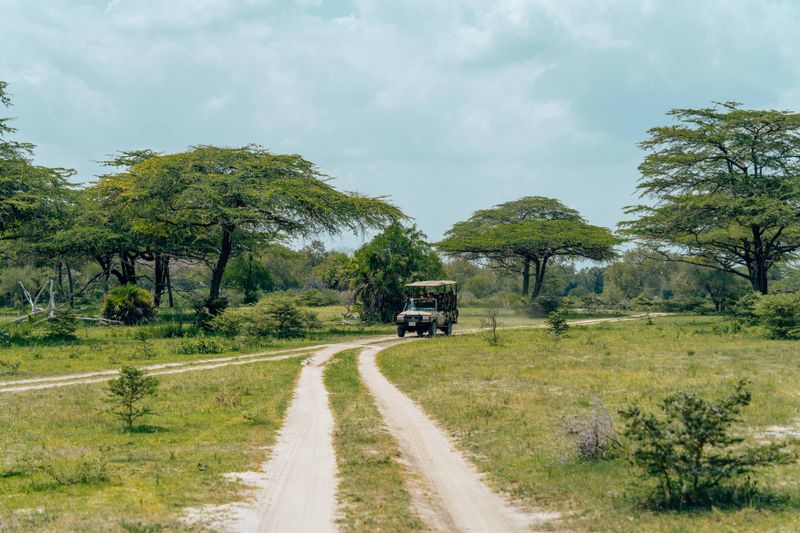
Photo by Keegan Checks on Pexels
To get there, you need to fly into Kilimanjaro International Airport (JRO). KLM offers an excellent direct flight from Amsterdam, which is usually the easiest routing from Europe or North America. Qatar Airways and Ethiopian Airlines also offer good connections. From Kilimanjaro, you will typically spend one night in Arusha to recover from the flight before taking a light aircraft into the Serengeti the following morning.
Do not forget that a safari requires serious logistical planning. You need comprehensive travel insurance that covers medical evacuation—you will be hours from a proper hospital. You also need to pack carefully: soft-sided duffel bags are mandatory for the light aircraft flights, and the weight limit is strictly enforced at 15kg per person.
The Final Verdict
If I were booking a trip for myself right now, with a healthy but not unlimited budget, I would aim for late September. I would book four nights at a high-end mobile camp in the northern Serengeti, such as Serengeti Safari Camp or one of the Asilia mobile setups, to focus entirely on the river crossings and the raw energy of the herds.
I would then fly south to a private concession for three nights—perhaps Namiri Plains in the eastern Serengeti, which was closed to the public for twenty years for cheetah conservation and offers some of the best big cat viewing in Africa with almost zero crowds.
This combination gives you the spectacle of the migration and the exclusivity of a private area. It is not cheap, but a safari is rarely a budget endeavour. If you are going to do it, do it properly. Choose your camps based on where the animals are, prioritize privacy over plunge pools, and let the rhythm of the bush dictate your days.
Questions we get asked
Before you book
- When is the best time to visit the Serengeti?
- It depends entirely on what you want to see. The migration is a year-round cycle. Go in February for calving season in the south, or July to September for river crossings in the north.
- Are mobile camps comfortable?
- Yes. Luxury mobile camps offer proper beds, en-suite bathrooms with flush toilets, and hot bucket showers. You sacrifice air conditioning, not comfort.
- Is a private conservancy worth the extra cost?
- Absolutely. Conservancies limit vehicle numbers, allow off-road driving, and permit night drives—none of which are allowed inside the main national park.
Some links in this guide are affiliate links. If you book through them we may earn a commission at no extra cost to you — it never changes what we recommend. Read our disclosure.