On August 2, 2027, daylight will disappear across a narrow band from southern Europe to the Middle East. Here is where to stand, how to plan the journey and how to experience totality safely.
There are travel moments you can postpone, and there are moments that belong to a single date.
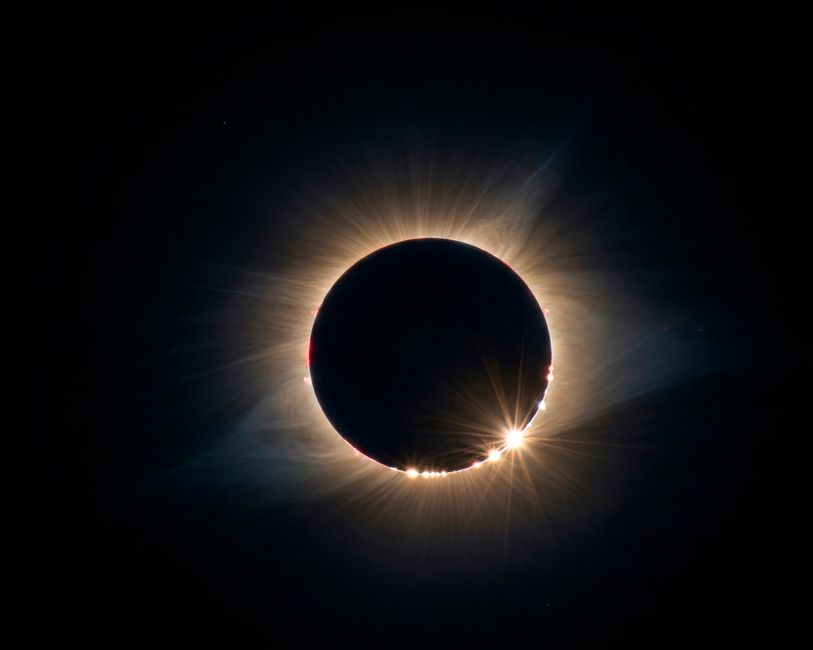
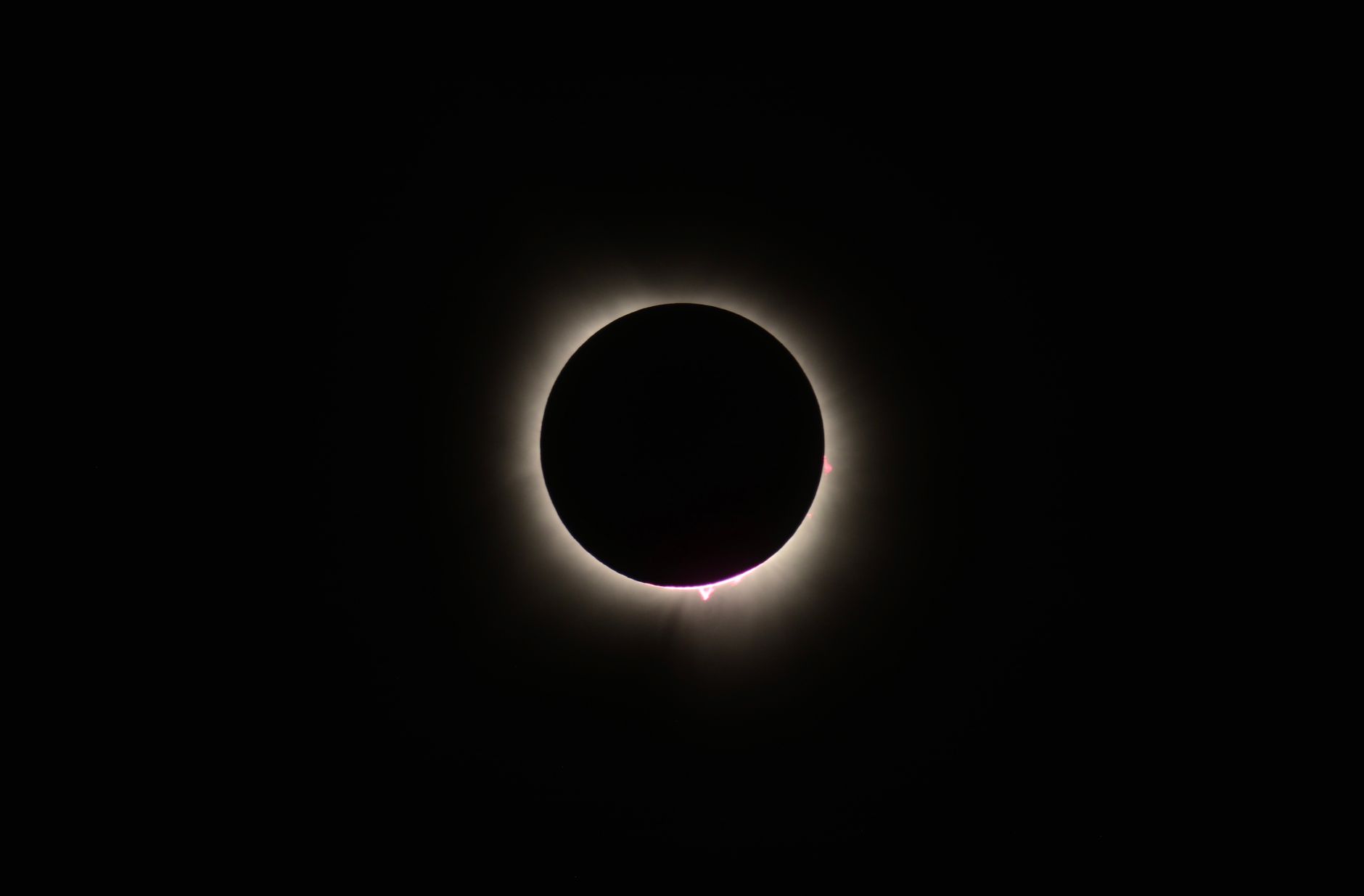
On August 2, 2027, the Moon will pass directly between the Earth and the Sun, turning a narrow band across the Atlantic, southern Europe, North Africa and the Middle East into a moving theatre of darkness. For a few minutes, daylight will fall away. The horizon will glow like sunset in every direction. The Sun’s corona—normally hidden by the glare of the solar disk—will appear around the black circle of the Moon.
This is not a metaphorical “bucket-list” event. The path of totality is narrow. Outside it, people will see a partial eclipse. Inside it, they will experience totality: the rare interval when the Sun’s bright face is completely covered.
The 2027 eclipse is already being called the eclipse of the century because it offers the longest remaining totality of the 21st century. The National Solar Observatory places the maximum totality at about 6 minutes and 22 seconds near Luxor, Egypt. That is long enough to notice the world changing around you, not simply to point a camera at the sky and hope.
The question is no longer whether to see it. The question is where to stand.
First, the facts that matter
NASA lists the total solar eclipse for August 2, 2027. The path of totality crosses parts of Spain, Gibraltar, Morocco, Algeria, Tunisia, Libya, Egypt, Saudi Arabia, Yemen and Somalia. The National Solar Observatory places the maximum path width at approximately 258 kilometres and identifies cities including Cádiz, Tangier, Gibraltar, Benghazi, Luxor and Jeddah within the path.
The European Space Agency’s map shows totality crossing southern Spain, with roughly three minutes of totality at Cádiz and longer durations farther east across North Africa. Near Luxor, the National Solar Observatory gives a maximum of approximately 6 minutes and 22 seconds.
Those figures are astonishing, but they are not the only planning factor. A perfect duration is useless if you cannot reach the viewing site, if the sky is obscured, or if you spend the entire morning in traffic. The best eclipse destination is the one that combines totality, access, weather prospects, a meaningful trip around the event and a realistic plan for getting out afterwards.
The three best ways to experience it
1. The ancient-world eclipse: Luxor and the Nile
Luxor is the most cinematic choice. The eclipse arrives over one of the world’s great archaeological landscapes, with the Nile, temples, tombs and desert horizons giving the event a sense of scale before the sky even changes.
The advantage is duration. The National Solar Observatory and current astronomy reporting place Luxor close to the centre of the event, with more than six minutes of totality. The disadvantage is heat. August in Luxor is intensely hot, and the experience requires more than a beautiful photograph. You need shade, water, medical awareness, a clear transport plan and a viewing location where people are not compressed into an unsafe crowd.
A considered Luxor itinerary would arrive several days early, spend the first days acclimatising and exploring in the cooler morning hours, then keep the eclipse day deliberately simple. Do not schedule a temple visit immediately before totality. The sky is the appointment.
Afterwards, continue by Nile boat or stay on for the surrounding archaeological sites. The eclipse should be the centre of the journey, not a day trip bolted onto a rushed holiday.
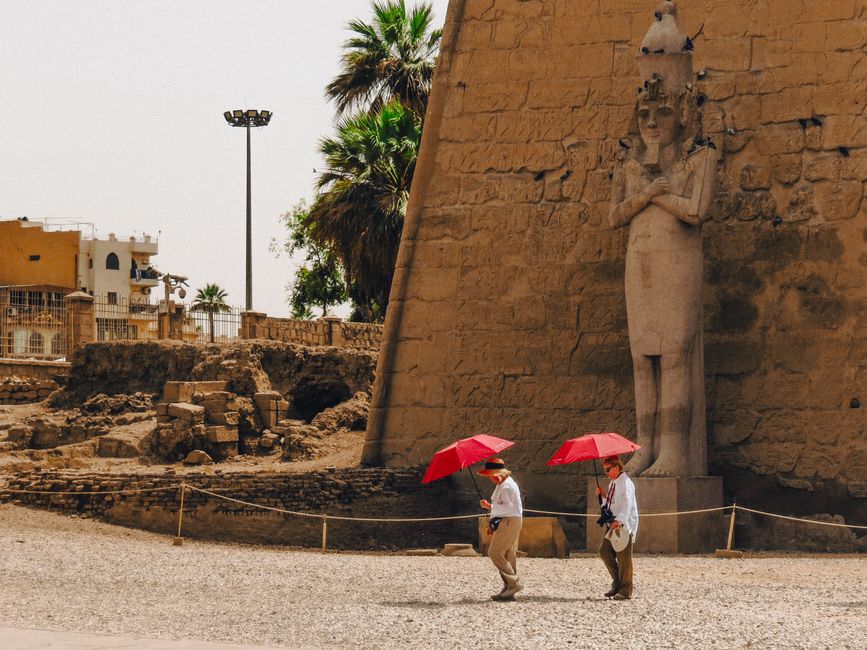
Photo by Mert Çelik on Pexels
2. The Mediterranean eclipse: Cádiz, Gibraltar or southern Spain
Southern Spain is the easiest European option for many travellers. The ESA confirms that totality will be visible from the region, and Cádiz sits within the path. Gibraltar is also identified by the National Solar Observatory as a location within totality.
The Spanish option has a different mood from Luxor. Instead of desert heat and ancient temples, you get Atlantic light, whitewashed towns, seafood, late dinners and the possibility of building an eclipse trip around Andalucía. Cádiz offers a historic centre and a coastline that makes the days before and after feel like a holiday even if cloud or logistics force a change of plan.
The trade-off is duration. Totality is shorter here than near Luxor, and August is already a busy travel month in southern Spain. The advantage is flexibility: a broader range of accommodation, better road and rail connections, and more ways to relocate if the forecast changes.
If you choose Cádiz or the surrounding coast, book the room for several nights rather than arriving only for eclipse morning. The event will attract visitors from across Europe, and the most valuable luxury may be a calm base with breakfast, shade and a straightforward route to the viewing site.
3. The desert-and-sea eclipse: Morocco
Morocco gives the eclipse a more atmospheric frame. Tangier lies within the path, and the country offers the possibility of combining the event with a medina, Atlantic coast, desert landscapes or a slower journey through the north.
The appeal is visual, but the planning should be practical. Do not assume that an isolated desert image equals a better viewing experience. A remote location can mean limited transport, weak medical access, difficult shade and no easy alternative if the road closes or the sky changes.
A good Morocco plan chooses a reliable base first, then adds the eclipse. Tangier is the simplest cultural starting point. A coastal or inland location can work if the transfer is tested and the viewing arrangements are clear. Ask exactly where you will stand, how you will arrive, where you can shelter from the heat and what happens after totality.
The trip around the eclipse might include Tangier, Chefchaouen, Rabat or the Atlantic coast. Keep the route shorter than your imagination. The event will be tiring, and the best memories usually come from having enough energy to notice them.
How to choose between duration and atmosphere
There is no universal best location. Choose the experience you want to remember.
| If you want… | Consider… | Why |
|---|---|---|
| The longest totality | Luxor or central Egypt | More than six minutes near the centreline |
| The easiest European trip | Cádiz or Gibraltar | Familiar infrastructure and a rich surrounding itinerary |
| A dramatic North African setting | Morocco | Strong culture, coast and desert landscapes |
| A quieter alternative | A smaller inland location within the path | Less visual congestion, but more logistics |
| Maximum flexibility | A base with several transport options | Better chance of relocating if forecasts change |
The most important choice is not the most famous city. It is whether you can remain in the path of totality with a clear line of sight and a sensible escape route.
The weather question
Eclipse chasing is an exercise in probabilities, not guarantees. Historical cloud patterns can guide a decision, but they cannot promise a clear sky on one specific day. Desert locations may offer a better statistical chance of clear weather, while southern Europe may offer easier access and more comfortable travel around the event.
If the eclipse is the entire point of your trip, consider staying near a location with road access to several possible viewing points. That does not mean driving randomly on the morning. It means having a plan, a local operator who understands the roads and an honest threshold for when to move.
Do not let a weather app make the final decision at the last minute. Eclipse traffic, road closures and limited parking can turn a theoretical relocation into a dangerous one. A good local guide or organised viewing plan is often worth more than a room with a slightly better forecast.
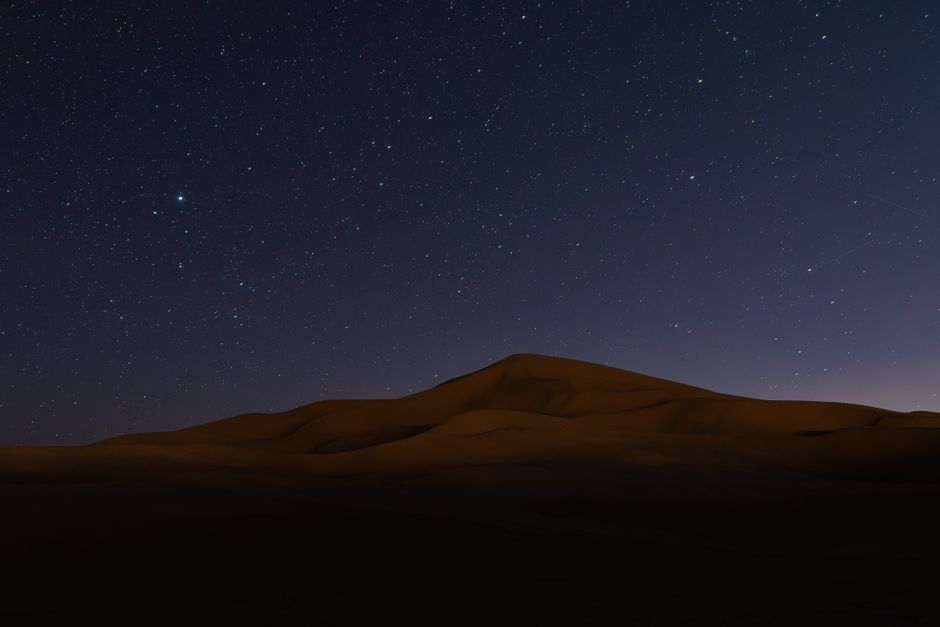
Photo by Nicola Toscan on Pexels
The safety rule no one should bend
Never look directly at the Sun during the partial phases without proper solar viewing protection. Ordinary sunglasses are not safe. Use reputable eclipse glasses or a solar viewer designed for the purpose and follow the National Solar Observatory’s safety guidance.
During the brief total phase, when the Moon completely covers the Sun’s bright face, direct viewing is possible. The instant totality ends, eye protection must go back on. This transition is easy to mishandle when everyone is excited, so decide in advance who is watching the time and reminding the group.
Photography requires its own solar filter before and after totality. A phone camera pointed at the Sun can be damaged, and a beautiful image is not worth an eye injury. Prepare the equipment before the trip. Do not spend the only minutes of totality fighting with a new tripod or an unfamiliar camera setting.
Make the images powerful by looking up first
The most moving eclipse photographs are not always the closest shots of the corona. They are the images that show scale: people in silhouette, a temple roof beneath a darkened sky, a line of palms disappearing into dusk, or a city turning its face upward together.
Give yourself two cameras if you can—one for the event and one for memory—or decide that the first thirty seconds belong entirely to your eyes. Totality is brief enough that a screen can become a form of absence.
The strongest visual story is a sequence: the bright ordinary morning, the strange half-light before totality, the black Sun and its corona, the 360-degree sunset, and the quiet aftermath when daylight returns. That sequence is more powerful than a gallery of identical black circles.
A calm eclipse-day plan
- Arrive at the viewing location early, with water, shade, food and a toilet plan.
- Confirm the exact contact times for your chosen location, not just the headline time for the country.
- Keep passports, medication and emergency contacts accessible.
- Set up cameras before the partial eclipse begins.
- Keep solar glasses on until totality is confirmed.
- Watch totality with your eyes before checking the screen.
- Put protection back on before the bright edge of the Sun returns.
- Do not join a frantic departure immediately unless authorities require it.
- Stay one extra night if possible; roads may be congested and emotions will be high.
The simplest luxury is enough time. A trip that leaves the morning after the eclipse can turn an extraordinary experience into a transport problem.
The fine address
The 2027 eclipse will cross several countries, but totality will belong to one narrow place at one brief moment. That is what makes it so powerful. The world will not be able to stream the experience into your body. You have to stand under it.
Choose Luxor for duration and ancient scale. Choose southern Spain for ease, sea light and a European rhythm. Choose Morocco for atmosphere and a journey that feels larger than the event itself. Then plan with humility: the sky decides the final edit.
On August 2, 2027, daylight will disappear somewhere along the path. The people who travelled there will look up together. That is the story worth going to see.
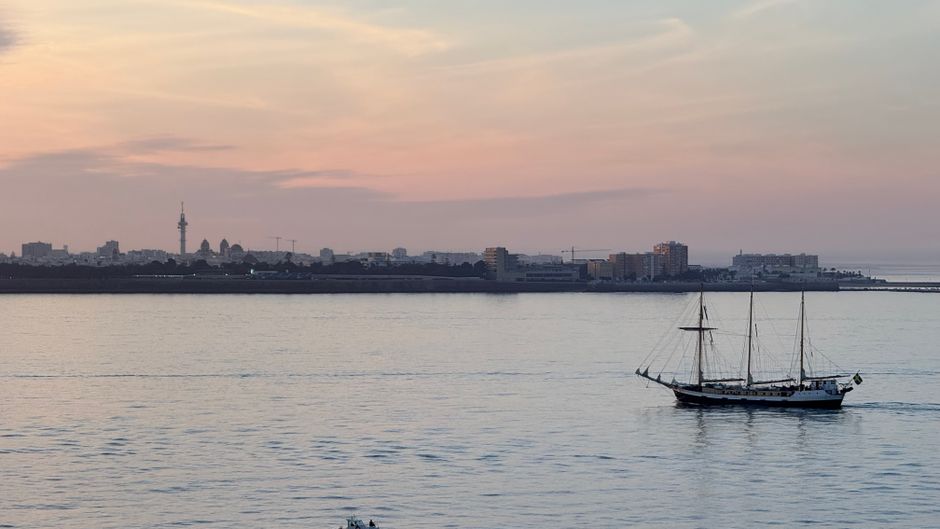
Photo by Stephan Leuzinger on Pexels
Questions we get asked
Before you book
- When is the 2027 total solar eclipse?
- The total solar eclipse takes place on August 2, 2027. NASA lists it as one of the major solar eclipses of 2027.
- Where can I see totality in 2027?
- The path crosses parts of southern Europe, North Africa and the Middle East, including southern Spain, Gibraltar, Morocco, Egypt and Saudi Arabia. Exact viewing requires being inside the narrow path of totality.
- Is Luxor the best place to see the eclipse?
- Luxor is one of the strongest options because it is near the centre of the path and offers exceptionally long totality, but southern Spain and Morocco may offer easier or more flexible travel. The best choice depends on access, weather, heat tolerance and the wider journey you want.
A considered conversation
Comments
Some links in this guide are affiliate links. If you book through them we may earn a commission at no extra cost to you — it never changes what we recommend. Read our disclosure.