Most travellers treat a Dubai layover as an endurance test of airport lounges and duty-free shopping. But with 48 hours and the right base, it becomes a restorative holiday in its own right.
There is a specific kind of exhaustion that sets in around hour ten of a long-haul journey, usually right as the plane begins its descent into the United Arab Emirates. For years, I treated this airport as a necessary hurdle—a place of glaring lights, endless concourses, and overpriced coffee between Europe and Asia. But recently, I changed my approach. Instead of rushing to the next gate, I started building a proper pause into my schedule. A well-planned dubai luxury layover itinerary transforms a punishing transit into a genuinely restorative 48 hours.
The secret to a successful short stay here is ruthless curation. Dubai is a city of superlatives and sprawling geography. Trying to see everything in two days is a guaranteed way to end up more exhausted than when you arrived. Instead, you have to treat the city as a highly specific tool for recovery. You need a comfortable bed, excellent food, a bit of winter sun, and perhaps one memorable evening in the dunes.
The Logistics: Arriving and Getting Out
When you only have 48 hours, logistics matter. Dubai International Airport (DXB) is efficient, but it is also massive. Depending on the time of day, the queue for the official airport taxis can stretch for an hour. After a long flight, standing in a humid taxi rank is the last thing you want to do.
I always arrange a private transfer in advance. Having a driver waiting in the arrivals hall with a placard might seem like an unnecessary indulgence, but it buys you something invaluable: immediate peace of mind. You bypass the crowds, step into an air-conditioned car, and are usually at your hotel within twenty to thirty minutes.
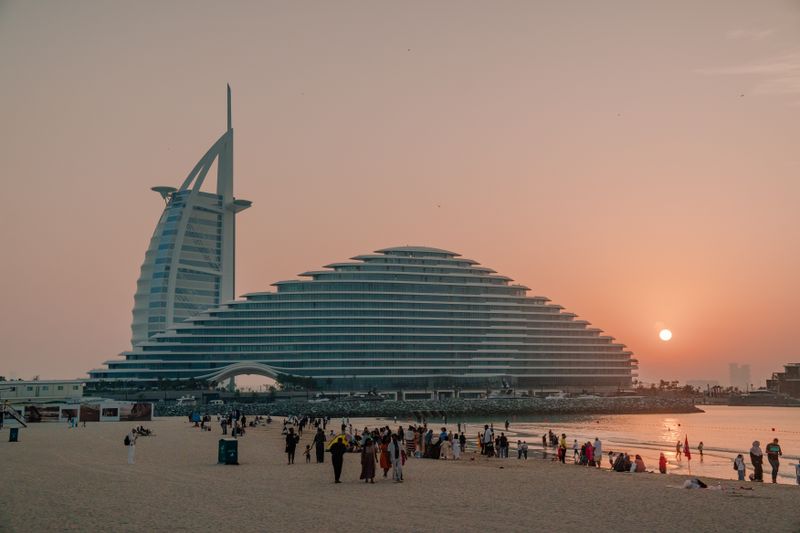
Photo by Marius Mann on Pexels
Choosing Your Base: The Beach vs. The City
The most critical decision you will make for your dubai luxury layover itinerary is where to sleep. Because the city is spread out along the coast, your hotel dictates the rhythm of your stay. Broadly speaking, you have two choices: the beach or the financial district.
If your primary goal is to lie horizontally and absorb vitamin D, you want to be in Jumeirah. The beach resorts here are sprawling, self-contained ecosystems. I tend to favour the properties closer to the northern end of Jumeirah Beach, near the Four Seasons or the Mandarin Oriental. They offer direct access to the sand, expansive pools, and a sense of quiet that is hard to find further south near the Marina. The trade-off is that you are somewhat isolated. If you want to leave the resort for dinner, you will need to take a taxi.
On the other hand, if you prefer a more urban energy and want the city's best restaurants an elevator ride away, the Dubai International Financial Centre (DIFC) is the smarter choice. DIFC is a dense, walkable enclave of high-end dining and contemporary art galleries. Hotels like the Waldorf Astoria DIFC or The Ritz-Carlton offer sleek, business-focused luxury with excellent rooftop pools. You sacrifice the sand, but you gain immense convenience. For a 48-hour trip where I want to eat well and sleep deeply without spending hours in traffic, DIFC is often my preference.
A Restorative 48-Hour Itinerary
Day One: Decompression and Dining
Assuming you arrive in the morning, your first day should be entirely about decompression. If you have chosen a beach resort, spend the morning by the water. The Arabian Gulf is remarkably warm, and there is nothing quite like salt water to cure jet lag. If you are in DIFC, head to the rooftop pool, order a strong coffee, and let the sun reset your internal clock.
For lunch, keep it light and local. I often head to one of the Lebanese or Levantine restaurants that dot the city. Orfali Bros Bistro, located in a modest strip mall in Jumeirah, serves some of the most inventive and satisfying food in the region. It is entirely unpretentious and consistently brilliant.
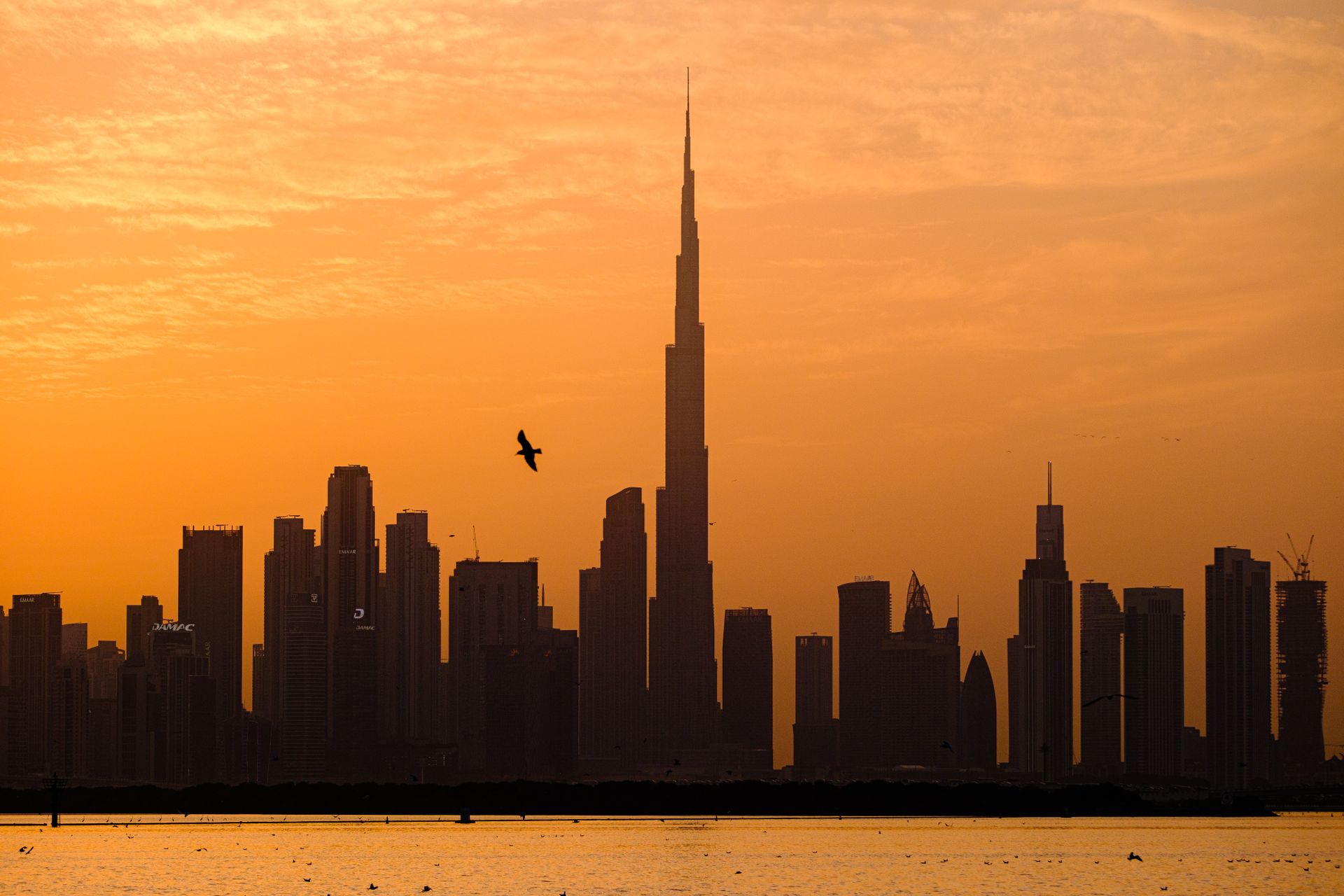
In the late afternoon, as the heat begins to break, you might consider a walk. Dubai is not known as a pedestrian city, but the area around the Burj Khalifa and the Dubai Fountains is pleasant enough at dusk. Yes, it is crowded, but seeing the tower light up against the twilight sky remains an impressive sight, even for frequent visitors.
For dinner, if you are staying in DIFC, you are spoiled for choice. Zuma remains a reliable, if predictable, option for high-end Japanese, but I prefer the quieter, more focused atmosphere of a place like LPM Restaurant & Bar for excellent Niçoise cuisine.
Day Two: The Desert Done Right
Your second day is when you should venture beyond the city limits. A dubai luxury layover itinerary is incomplete without seeing the desert, but you must be careful about how you do it.
The standard desert safari—which usually involves being thrown around the back of a Land Cruiser while a driver aggressively tackles the dunes, followed by a buffet dinner with belly dancing—is something I actively avoid. It feels manufactured and chaotic.
Instead, look for operators that focus on conservation and quiet. The Dubai Desert Conservation Reserve is a protected area where the wildlife, including Arabian oryx and gazelles, roam freely. I recommend booking a private morning wildlife drive. The desert is astonishingly beautiful in the early light, and a slow, guided drive allows you to actually appreciate the landscape.
If you prefer an evening experience, book a private dinner in the dunes. Several high-end operators will set up a private camp for you, complete with a chef and a telescope for stargazing. It is significantly more expensive than the group tours, but the silence of the desert at night is worth the premium.
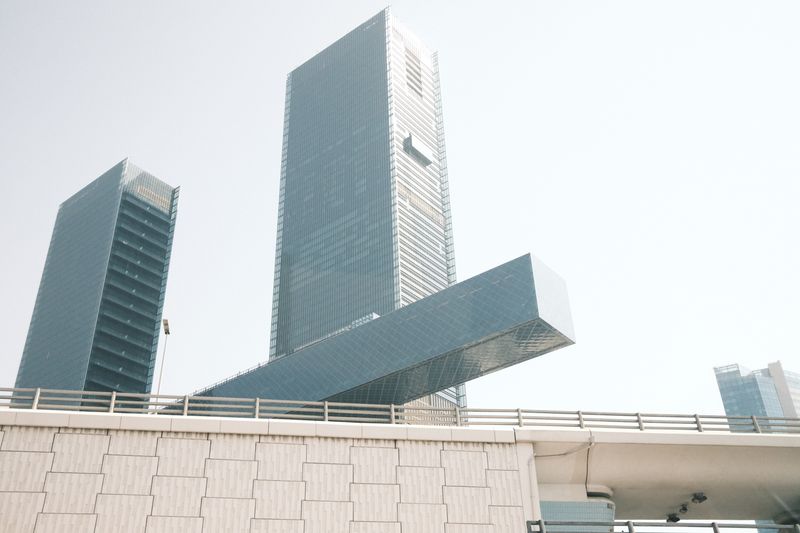
Photo by Demid Druz on Pexels
What to Skip
Part of a successful layover is knowing what to ignore. I routinely skip the mega-malls. Unless you have a specific luxury purchase in mind that you cannot find at home, spending hours navigating the Dubai Mall is a drain on your limited time and energy. The indoor ski slope and the massive aquariums are engineering marvels, but they are not particularly relaxing.
I also tend to avoid the Dubai Marina and JBR (Jumeirah Beach Residence) during a short stay. The traffic in this part of the city can be gridlocked, and the atmosphere leans heavily towards crowded tourist bars and loud beach clubs. It lacks the quiet luxury you need when recovering from a flight.
Finally, be honest with yourself about the summer heat. From June to September, daytime temperatures regularly exceed 40 degrees Celsius (104 degrees Fahrenheit), with punishing humidity. During these months, the beach is largely unusable during the day, and even the evening desert is uncomfortably hot. If your layover falls in the summer, adjust your expectations. Treat the city as an indoor retreat: focus on the spas, the restaurants, and the air-conditioned comfort of your hotel.
Practicalities: When to Go and How to Get There
The ideal time for a Dubai layover is between November and March. The weather is genuinely perfect—warm, dry days and cool evenings that require a light sweater. April and May are manageable, though the heat begins to build rapidly.
In terms of duration, 48 hours is the sweet spot. It gives you two nights of solid sleep and one full day of activity, which is exactly what you need to break up a journey between Europe and Asia or Australia.
Getting around is straightforward. The Dubai Metro is clean and efficient, particularly for travelling between the airport, DIFC, and the Burj Khalifa. However, for most other journeys, taxis are the default. The local RTA taxis are metered, heavily regulated, and relatively inexpensive. Uber and Careem (the local equivalent) are also widely available and offer a more premium fleet of Lexus sedans.
Comparing Your Base: Jumeirah vs. DIFC
To help you decide where to anchor your stay, here is a realistic comparison of the two primary areas I recommend for a short layover.
| Area | Best For | Vibe | Approximate Nightly Rate |
|---|---|---|---|
| Jumeirah Beach | Jet lag recovery, ocean swimming, resort amenities | Expansive, quiet, horizontal | $600 - $1,200+ |
| DIFC | High-end dining, walkability, urban energy | Sleek, vertical, sophisticated | $400 - $800 |
| Downtown Dubai | First-time sightseeing, shopping, Burj Khalifa views | Busy, spectacular, central | $500 - $900 |

Photo by MOHAMAD ALOUL on Pexels
The Final Verdict
A layover should not be an endurance test. By choosing the right hotel and resisting the urge to see everything, you can turn a transit stop into a genuine highlight of your trip.
If I were booking a 48-hour layover tomorrow, I would reserve a room at the Mandarin Oriental Jumeira. It strikes the perfect balance: it sits right on the beach for morning swims, but it is close enough to the city that a taxi to DIFC for dinner takes less than fifteen minutes. I would spend the first day entirely on the property, recovering by the pool, and the second morning taking a quiet, private drive through the conservation reserve. It is a simple, highly effective formula for arriving at your final destination feeling rested, rather than ruined.
Questions we get asked
Before you book
- Is 48 hours enough for a Dubai layover?
- Yes. Two days is the perfect amount of time to recover from a long flight, spend a morning on the beach or by the pool, and head into the desert for an evening.
- Should I stay on the beach or in the city for a short trip?
- If your goal is pure relaxation, choose a Jumeirah beach resort. If you prefer excellent dining within walking distance and a faster pace, DIFC is the better choice.
- Can I do a desert safari during a summer layover?
- It is possible, but not recommended. Between June and September, evening temperatures remain uncomfortably high, making outdoor dinners far less enjoyable.
Some links in this guide are affiliate links. If you book through them we may earn a commission at no extra cost to you — it never changes what we recommend. Read our disclosure.