Your first trip to Paris was for the monuments. Your second is for the neighbourhoods. Here is how to choose the right arrondissement, book the tables that matter, and find the quiet corners.
The first time you visit Paris, you are inevitably a hostage to geography. You choose a hotel based on its proximity to the Louvre or the Eiffel Tower, you spend your days marching between monuments, and you eat wherever you happen to be when exhaustion sets in. It is a necessary rite of passage, but it is not the best way to experience the city. A second trip is entirely different. This time, you are free. You can ignore the major sights, choose a neighbourhood that actually suits your temperament, and spend your days walking, sitting, and eating. If you are looking for the finest boutique luxury hotels Paris Left Bank has to offer, or simply wondering how to spend four days without stepping foot in a major museum, this is how you do it.
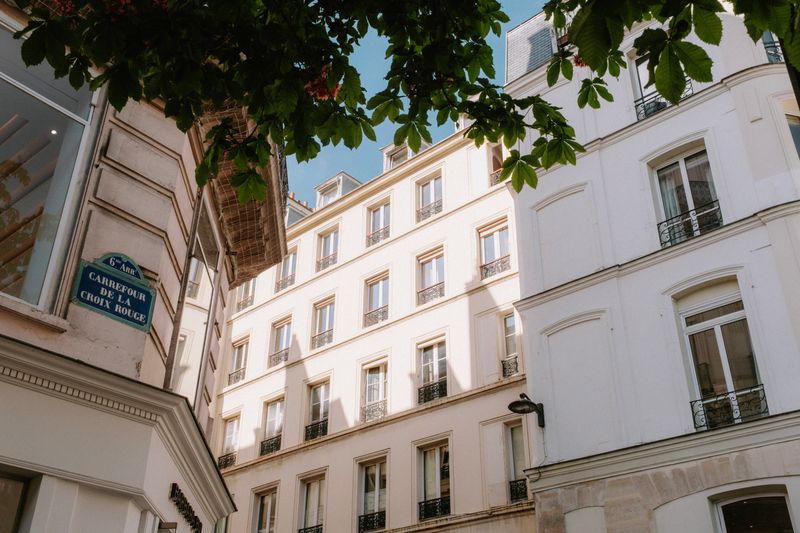
Photo by Mathias Reding on Pexels
Choosing Your Arrondissement: The Second-Time Strategy
On a return visit, the arrondissement you choose dictates the rhythm of your entire trip. You are no longer looking for a central launchpad; you are looking for a temporary home. The grand boulevards of the 8th and the immediate vicinity of the Louvre in the 1st are fine for first-timers, but they lack the intimate, village-like atmosphere that makes Paris so compelling when you have time to slow down.
I tend to divide my time between four specific areas, depending on the season and my mood. The 6th (Saint-Germain-des-Prés) remains the classic choice for a reason. Yes, the main arteries are busy, but slip into the narrow streets between Boulevard Saint-Germain and the Seine, and you find a quiet, polished version of Paris that feels entirely timeless. This is where you will find the highest concentration of excellent boutique luxury hotels Paris Left Bank can provide.
Across the river, the 3rd (Haut-Marais) offers a sharper, more contemporary energy. It is less about classic brasseries and more about natural wine bars, independent ceramics studios, and small contemporary galleries. The 9th (South of Pigalle) is where you stay if you want to feel like a local with a very good job in media; it is dense with excellent bakeries and neighbourhood bistros, though lighter on high-end accommodation. Finally, the 7th, particularly the streets around Rue Cler, offers a sleepy, aristocratic quiet that is perfect for a winter trip when you just want to read in cafes and eat heavy meals.
Palace Hotels vs. Boutique Luxury Hotels Paris Left Bank
Paris is famous for its "Palace" hotels—a specific, government-awarded designation given to properties like the Ritz, the Crillon, and the Plaza Athénée. They are magnificent, sprawling institutions, and they charge accordingly, often starting at roughly €1,500 a night. But on a second trip, I almost always advise against them. They are so large and so formal that they create a barrier between you and the city. You do not step out of the Ritz and feel like you are in Paris; you feel like you are in the Ritz.
Instead, this is the time to explore the smaller, more idiosyncratic properties. The boutique luxury hotels Paris Left Bank is known for offer a completely different experience. You want a place with perhaps thirty rooms, a discreet entrance, and a concierge who remembers your coffee order.
In the 6th, properties like Relais Christine or Pavillon de la Reine (in the 3rd) offer a level of quiet luxury that feels far more appropriate for a relaxed itinerary. You are paying for privacy, excellent linens, and location, rather than gold leaf and a lobby full of people taking photographs. Expect to pay between €500 and €900 a night for this tier of accommodation, depending heavily on the month. The rooms will be smaller than you might expect—this is Paris, after all—but the trade-off in atmosphere is entirely worth it.
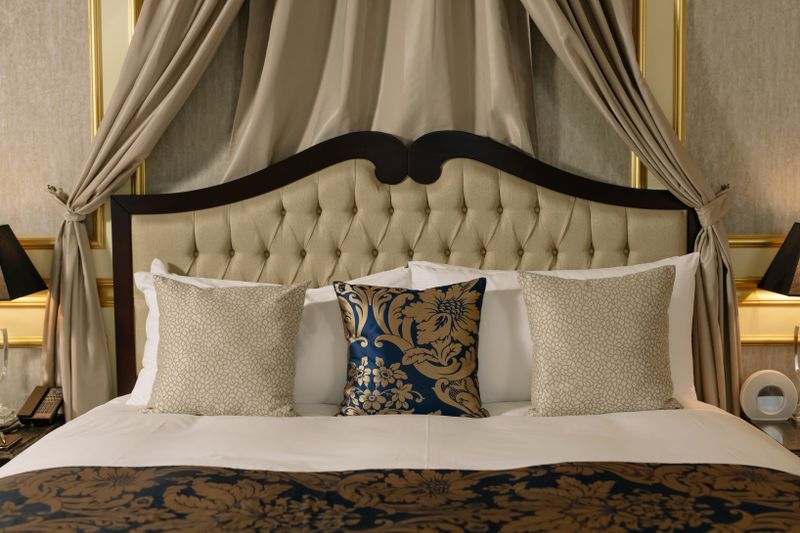
Photo by cottonbro studio on Pexels
The Art of the Table: Booking and Eating
If your first trip was defined by monuments, your second should be defined by meals. But eating well in Paris requires strategy. The days of wandering into a charming bistro and having a transcendent meal are largely over; the best places are booked solid, often weeks in advance.
The current dining scene is split between the classic, white-tablecloth institutions and the neo-bistros driving the city's culinary reputation. You should aim for a mix of both. For the classics, you are booking for the room and the choreography of the service as much as the food. For the neo-bistros, you are booking for the wine list and the sheer quality of the cooking.
The golden rule of Paris dining right now is the alarm clock. The most sought-after tables (places like Septime, Clown Bar, or the newer wave of highly-rated spots) open their books exactly 21 or 30 days in advance. You need to know the policy of the specific restaurant and be online the moment the dates are released. If you miss out, do not despair. Many excellent neighbourhood places keep tables for walk-ins, provided you arrive right when they open at 7:00 PM or 7:30 PM.
When you do secure a table, remember that dining here is a deliberate act. Do not rush. A proper dinner will take three hours. Order the wine the sommelier suggests, even if it is a cloudy natural wine from the Jura that you would not normally choose. The point of returning to Paris is to let the city dictate the terms.
Neighbourhood Walking Days
The greatest luxury of a second trip is the permission to do very little. Instead of a rigid itinerary, plan your days around a single neighbourhood and a loose objective.
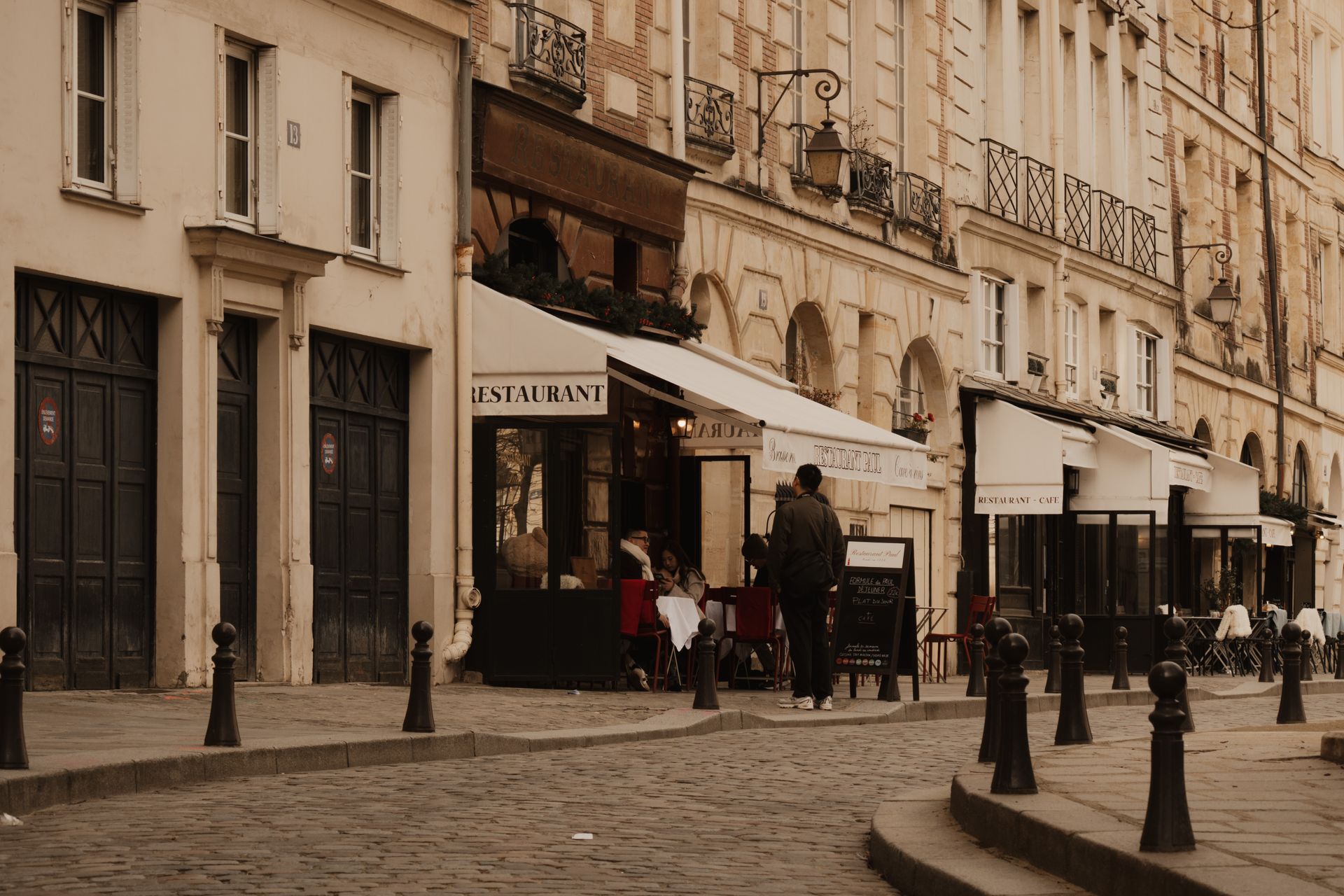
A perfect Tuesday might involve starting in the 6th, having a late breakfast, and then simply walking east. You cross into the 5th, perhaps stopping at the Panthéon if the line is short, but mostly just looking at the architecture. You cross the river to the Île Saint-Louis for a coffee, then push into the Marais for the afternoon. There is no rush, no checklist.
This is also the time to swap the massive museums for the smaller, more focused collections. The Louvre is exhausting. The Musée de l'Orangerie, with its oval rooms of Monet's water lilies, can be absorbed in an hour. The Musée Nissim de Camondo, a perfectly preserved aristocratic mansion near Parc Monceau, offers a fascinating glimpse into early 20th-century Parisian life without the crushing crowds of Versailles.
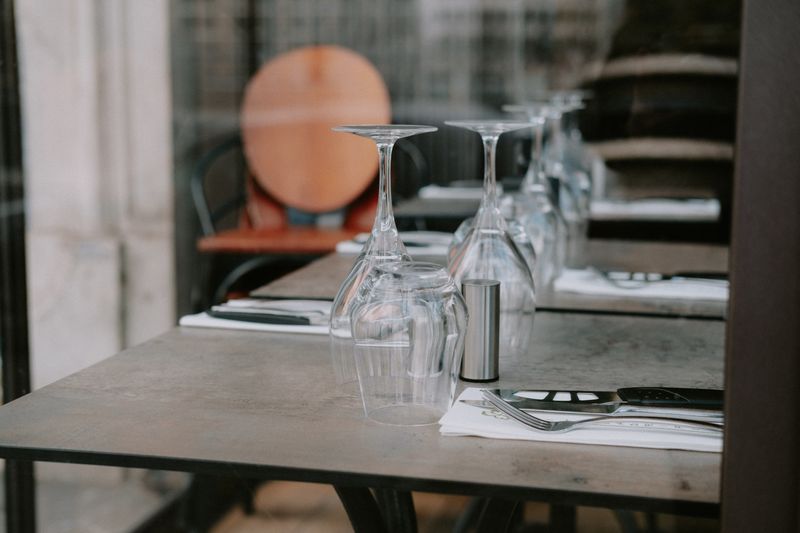
Photo by Mathias Reding on Pexels
Comparing the Neighbourhoods
To help you decide where to base yourself, here is a breakdown of how the key areas compare for a return visitor.
| Arrondissement | Vibe & Atmosphere | Best For | Approximate Nightly Rate (Boutique) |
|---|---|---|---|
| 6th (Saint-Germain) | Classic, polished, literary history | Classic cafes, luxury shopping, quiet streets | €600 - €900 |
| 3rd (Haut-Marais) | Contemporary, creative, energetic | Natural wine, independent boutiques, galleries | €450 - €750 |
| 7th (Eiffel Tower/Cler) | Sleepy, aristocratic, residential | Market streets, quiet evenings, long walks | €500 - €800 |
| 9th (South Pigalle) | Local, food-focused, slightly gritty | Bakeries, neo-bistros, feeling like a resident | €350 - €550 |
Practicalities: When to Go and How to Get There
The timing of your trip matters immensely. Paris in August is a ghost town; many of the best restaurants close entirely for the month. Paris in late September and October is perfect, but it is also fashion week season, meaning hotel prices spike and tables are impossible to find.
For a second trip, I strongly advocate for late winter or early spring. February and March are cold and often grey, but the city belongs to the Parisians. The cafes are cozy, the museums are empty, and you can actually get a reservation at a good restaurant. Alternatively, late May offers the best chance of sitting on a terrace in a light jacket, though you will pay a premium for the privilege.
Four nights is the absolute minimum for a trip like this; five or six is better. You need enough time to lose a day to jet lag, have a day of heavy walking, and still have two days where you have absolutely nothing planned before 4:00 PM.
What I Would Skip
Honesty is required here. On a second trip, there are several famous experiences that are simply not worth the effort or the expense.
Skip the Champs-Élysées entirely. It is a crowded outdoor shopping mall and has nothing to offer a thoughtful traveller. Skip the major brasseries that feature in every guidebook (you know the ones); the food is often mass-produced and the service can be aggressively indifferent. Skip the Eiffel Tower light show if it means standing in a crowd of thousands; watch it from a quiet bridge instead. And frankly, skip the urge to pack your days. If you are rushing from a museum to a lunch reservation to a boat tour, you are doing it wrong.
The Final Recommendation
If a friend asked me exactly what to book for a four-night return trip to Paris this November, my advice would be highly specific. I would tell them to ignore the grand palaces and instead book one of the boutique luxury hotels Paris Left Bank is quietly famous for—specifically, a courtyard room at Relais Christine in the 6th.
I would tell them to book exactly two high-end dinners a month in advance, and leave the other two nights open for wine bars and casual bistros. I would tell them to pack comfortable shoes, a warm coat, and an appetite, and to spend their days doing nothing more ambitious than walking from one side of the city to the other, stopping whenever a cafe looks inviting. That is the real Paris, and on your second trip, it is finally yours to enjoy.
Questions we get asked
Before you book
- Which is the best arrondissement for a second trip to Paris?
- The 6th (Saint-Germain) and 3rd (Haut-Marais) are ideal. They offer excellent dining, independent boutiques, and a strong neighbourhood feel without the heavy crowds of the 1st or 8th.
- Are palace hotels worth it in Paris?
- For a first trip, perhaps. But for a return visit, boutique luxury hotels offer more character, better locations for walking, and a more intimate connection to the city.
- How far in advance should I book Paris restaurants?
- For highly sought-after tables, exactly 21 or 30 days in advance, depending on the restaurant's policy. Set an alarm for midnight Paris time.
Some links in this guide are affiliate links. If you book through them we may earn a commission at no extra cost to you — it never changes what we recommend. Read our disclosure.