Skip the December crowds and inflated prices. January and February in New York offer better tables, sharper service, and the city's best suites at their most approachable rates.
The steam rising from the subway grates on a freezing January morning is one of the most cinematic sights in the world. While most travellers obsess over New York in the autumn or during the frantic, overpriced December holiday season, the city actually belongs to those who arrive after the ball drops. January and February are when New York exhales. The crowds thin out, the impossible restaurant reservations suddenly become possible, and the city's finest properties drop their rates to levels that almost feel like a clerical error. If you are looking for luxury new york hotels winter is unequivocally the smartest time to book.
There is a specific kind of quiet luxury to being in Manhattan when it is genuinely cold. You trade the sweaty, crowded pavements of summer for crisp air, cashmere coats, and the warmth of a dimly lit cocktail bar. The city turns inward, focusing on culture, culinary excellence, and the simple pleasure of a beautifully appointed room. It is the season of long lunches, unhurried museum visits, and evenings spent in velvet-lined theatre seats.
The Geography of a Winter Stay
Choosing where to base yourself is the single most important decision you will make. In the summer, you might want to be near the parks or the waterfront. In the winter, you want proximity to your specific interests, because walking thirty blocks in a biting wind loses its charm quickly.
Midtown is the obvious choice for first-timers, but it requires careful navigation. You want to be close enough to the theatre district to walk to a show, but far enough away to avoid the neon-lit chaos of Times Square. The area around Central Park South and the lower 50s offers a concentration of classic, white-glove service hotels. These are the grand dames, where the lobbies are vast, the floral arrangements are architectural, and the concierges can actually secure a table at Le Bernardin.
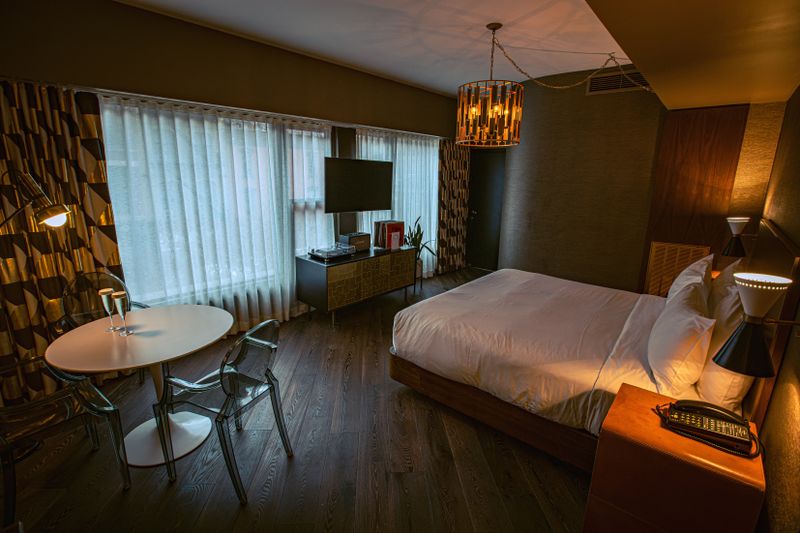
Photo by Brent Singleton on Pexels
However, if you prefer a more residential feel, the Upper East Side is immaculate in the winter. It is quieter, the dining scene is more refined, and you are steps away from the Metropolitan Museum of Art and the Frick Collection. The hotels here feel less like transient hubs and more like private clubs.
Downtown, specifically Tribeca and the West Village, offers a completely different energy. The streets are narrower, the architecture is more industrial, and the luxury is decidedly more modern. This is where you find boutique properties with exceptional design, destination restaurants on the ground floor, and a crowd that actually lives in the city. For a winter trip focused on eating and drinking, downtown is hard to beat.
Comparing the Best Luxury New York Hotels Winter Options
To help you decide, here is a breakdown of how the different neighbourhoods and hotel styles compare during the colder months.
| Neighbourhood | Best For | Vibe | Approximate Nightly Rate (Jan/Feb) |
|---|---|---|---|
| Midtown / Central Park South | Classic luxury, Broadway, first-time visitors | Grand, traditional, bustling | $600 - $1,200 |
| Upper East Side | Museums, quiet elegance, high-end shopping | Refined, residential, old-money | $700 - $1,400 |
| Tribeca | Modern design, culinary scene, spacious rooms | Industrial-chic, discreet, trendy | $500 - $1,000 |
| West Village | Charm, intimate bars, feeling like a local | Bohemian-luxe, historic, cozy | $450 - $900 |
As you can see, the rates in January and February are a fraction of what you would pay in October or December. This is the time to book the suite you have been eyeing, or to upgrade to a room with a soaking tub and a fireplace.
Securing the Impossible: Shows and Tables
One of the primary reasons to visit New York in the winter is the access. The city's cultural and culinary scenes do not slow down, but the competition for them does.
Broadway in January and February is a revelation. The holiday tourists have gone home, and the locals are hibernating. This means you can often secure premium seats for the biggest shows without having to buy them six months in advance. Furthermore, this period often coincides with Broadway Week, offering two-for-one tickets on many productions.
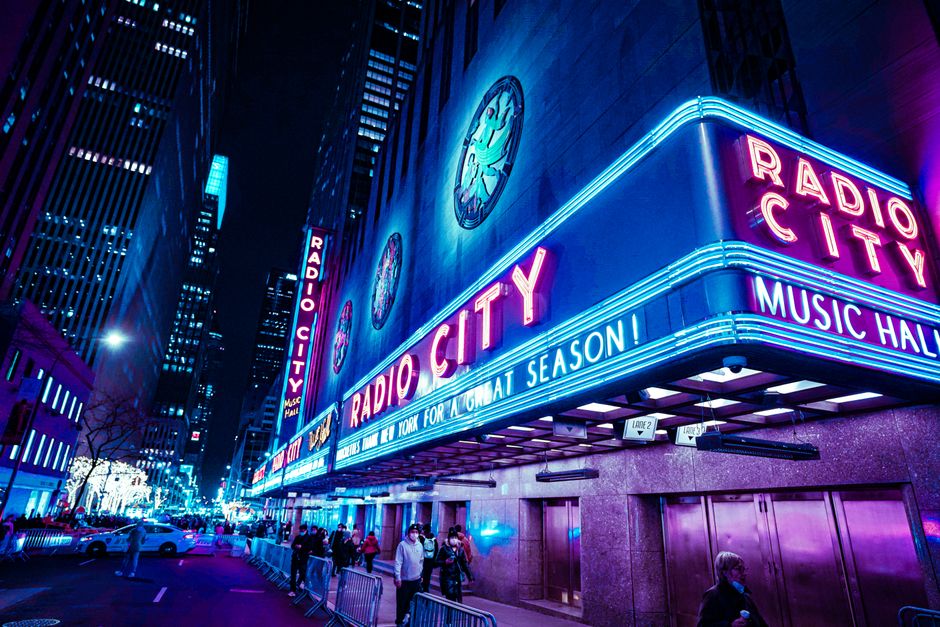
The same logic applies to dining. New York's restaurant scene is notoriously difficult to navigate, with tables at the most sought-after spots vanishing seconds after they are released online. In the winter, the odds tilt slightly in your favour. The outdoor dining sheds are mostly gone, pushing everyone inside, which creates a fantastic, buzzing atmosphere in the city's best dining rooms. This is the time to aim for the heavy hitters: the tasting menus, the classic steakhouses, and the intimate omakase counters.
The Art of the Winter Day Plan
A successful winter day in New York requires pacing and strategic indoor retreats. You cannot simply wander aimlessly for eight hours as you might in May.
Start your mornings slowly. Order room service—a luxury that feels particularly justified when it is freezing outside—and read the paper. When you do venture out, anchor your day around a major indoor activity. The museums are the obvious choice, but do not try to tackle the entire Met in one go. Pick a specific wing or a temporary exhibition.
Lunch should be a deliberate event, not a rushed sandwich. Book a table somewhere with excellent people-watching and a robust wine list. The Polo Bar, if you can get in, is practically designed for a winter afternoon, with its dark wood, leather banquettes, and general air of clubby exclusivity.
In the late afternoon, retreat to your hotel or a nearby cocktail bar. The Bemelmans Bar at the Carlyle is a cliché for a reason; there is nowhere better to drink a martini while listening to live jazz as the sun sets at 4:30 PM.
What I Would Skip
I promised to be honest, so here is what you should avoid. Skip Times Square entirely unless you are actively walking to a theatre. It is crowded, loud, and devoid of any real New York character.
I would also skip the outdoor ice skating rinks at Rockefeller Center and Bryant Park. They look charming in films, but in reality, they are overcrowded, overpriced, and the ice is often chopped to pieces by midday. If you must skate, head to the Wollman Rink in Central Park early in the morning, but honestly, your time is better spent elsewhere.
Finally, avoid the temptation to pack your schedule too tightly. Winter travel delays are a reality, and rushing from one end of Manhattan to the other in a sleet storm will ruin your mood. Build in buffer time and embrace the art of doing less, better.
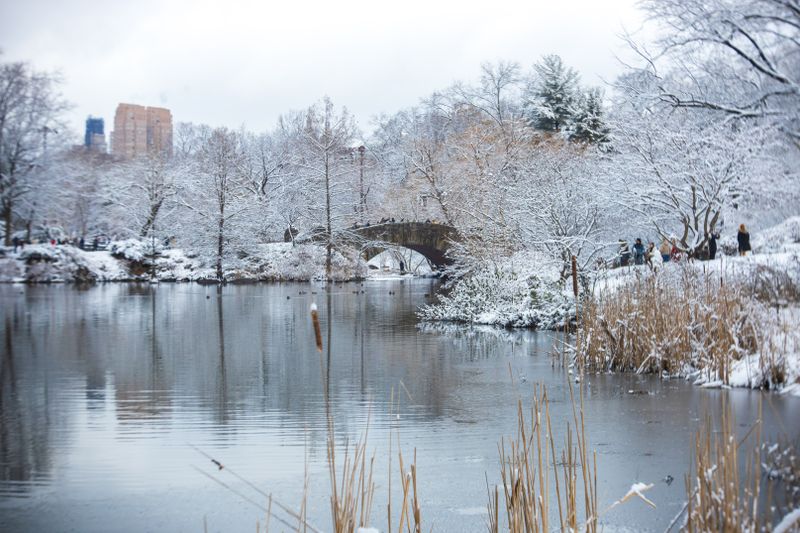
Photo by Brent Singleton on Pexels
Practicalities: When to Go and How to Get There
The sweet spot for a winter visit is between the second week of January and the end of February. You avoid the holiday madness and catch the lowest hotel rates of the year.
Aim for a stay of at least four nights. This gives you enough time to settle in, catch a couple of shows, eat at three or four excellent restaurants, and account for any weather-related travel hiccups.
Getting there is straightforward, with JFK and Newark offering endless international and domestic connections. However, winter weather can disrupt flights. I strongly advise booking a morning flight; if it gets cancelled, you have the rest of the day to find an alternative. If your evening flight is cancelled, you are spending the night at the airport.
The Final Verdict
New York in the winter is not for everyone. It requires a certain tolerance for the cold and a willingness to embrace the city's sharper edges. But for those who appreciate the quiet luxury of a great hotel, the thrill of a world-class meal, and the electric energy of a Broadway theatre, it is the best time of year to visit.
If I were booking a trip right now, I would secure a suite at The Greenwich Hotel in Tribeca. It offers the perfect balance of discreet luxury, exceptional design, and a subterranean pool that feels like a private sanctuary when the wind is howling outside. I would spend my days exploring the downtown galleries, my evenings eating at places like Frenchette and Estela, and I would not miss the summer crowds for a second. Finding the right luxury new york hotels winter experience is about knowing where to look, and once you do, you will never want to visit in August again.
The Close
The magic of a winter trip lies in the contrast between the harshness of the elements and the warmth of the interiors. It is about the heavy doors closing behind you, shutting out the wind, and the immediate embrace of a well-heated lobby, a smiling concierge, and the promise of a perfect evening ahead.
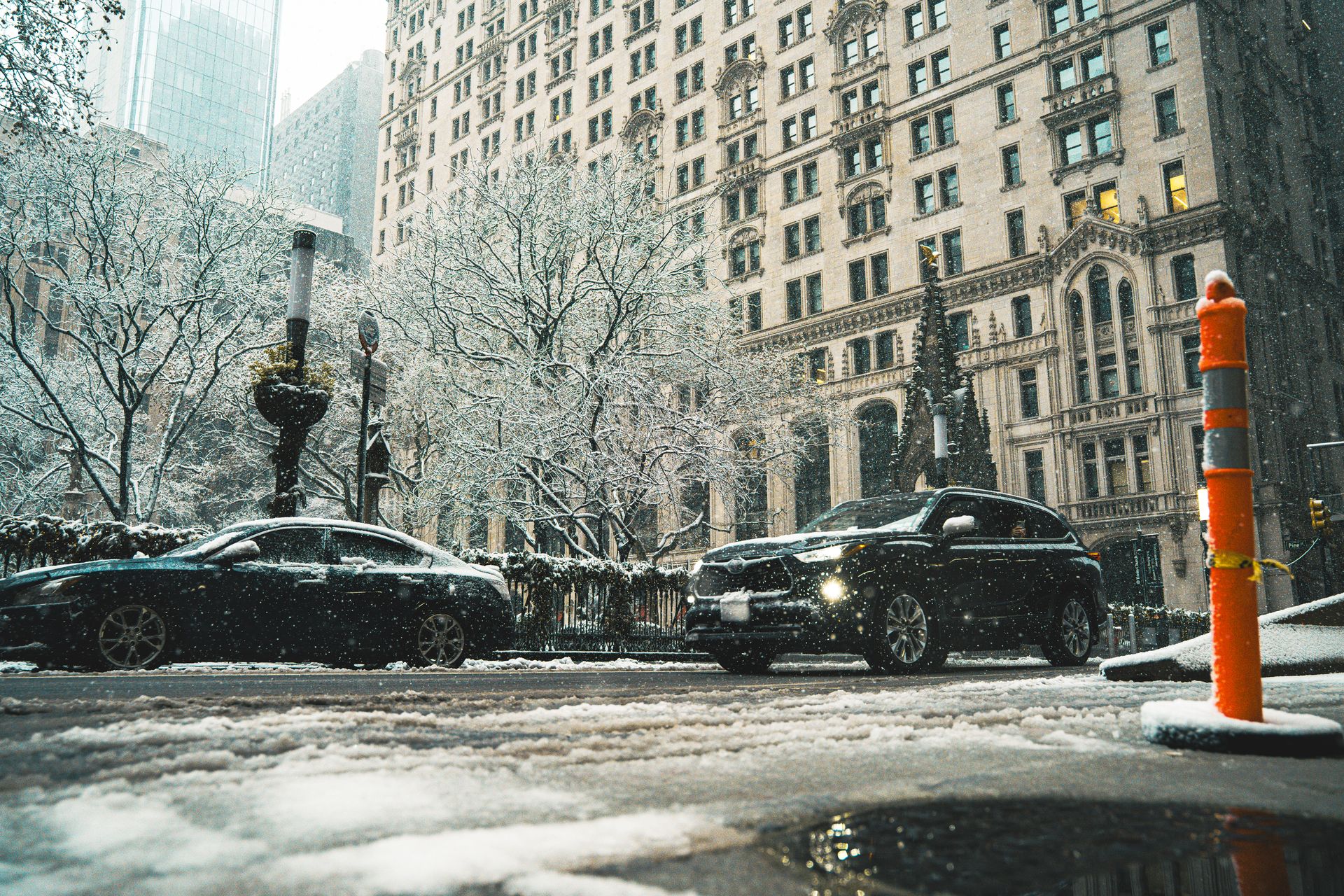
The architecture of the city also takes on a different character in the winter. Without the canopy of leaves in the parks and along the avenues, the stark, soaring lines of the skyscrapers are fully revealed. The light in January, when the sun is out, is sharp and clear, casting long, dramatic shadows across the grid. It is a photographer's dream, provided you have gloves warm enough to operate a camera. Walking down Fifth Avenue, the contrast between the historic limestone facades and the modern glass towers is starker, more pronounced.
Shopping, too, becomes a more focused endeavour. The frantic energy of the holiday sales has dissipated, leaving the boutiques and department stores calm and orderly. The staff have time to actually assist you, to pull sizes from the back, to offer a glass of champagne while you deliberate over a coat. Bergdorf Goodman in February is a sanctuary of quiet commerce, a place where you can appreciate the curation without being jostled by tourists looking for souvenirs.
Even the simple act of taking a taxi feels different. In the summer, you are often just trying to escape the humidity. In the winter, sliding into the back of a yellow cab as a snow flurry begins is a moment of genuine relief. Watching the city blur past through a condensation-streaked window, the neon signs reflecting on the wet asphalt, is a quintessential New York experience that you simply cannot replicate in July.
Furthermore, the cultural calendar in the early months of the year is often packed with serious, challenging work. The galleries in Chelsea debut their new shows, the New York City Ballet is in the midst of its winter season, and the Philharmonic offers programming that feels designed for dark, cold evenings. There is a sense that the city is engaging with ideas, rather than just entertaining visitors.
Questions we get asked
Before you book
- Is New York too cold to visit in January and February?
- It is cold, often hovering around freezing, but the city is built for it. With the right coat and a focus on indoor culture, dining, and great hotels, it is incredibly atmospheric.
- Are luxury hotels cheaper in New York during winter?
- Yes. After the holiday rush ends in early January, rates at top-tier properties drop significantly, making it the best time of year to book a suite or a premium room.
- How far in advance should I book Broadway shows?
- For the biggest hits, book a month or two out. However, winter often brings better last-minute availability and Restaurant Week promotions.
Some links in this guide are affiliate links. If you book through them we may earn a commission at no extra cost to you — it never changes what we recommend. Read our disclosure.