Driving Iceland's Route 1 shouldn't feel like an endurance test. Here is how to navigate the Ring Road over eight to ten days, prioritizing proper lodges, sensible driving distances, and the geothermal pools that actually warrant the detour.
There is a pervasive myth that driving around Iceland requires a tolerance for damp sleeping bags, gas station hot dogs, and twelve-hour stints behind the wheel. The reality is that an iceland luxury ring road itinerary is entirely possible, provided you understand the geography and book the right rooms six months in advance. The country’s infrastructure has matured, and while the wildness of the landscape remains intact, the necessity of roughing it has vanished. You can spend your days navigating glacial ash fields and your evenings drinking decent Chablis by a basalt fireplace.
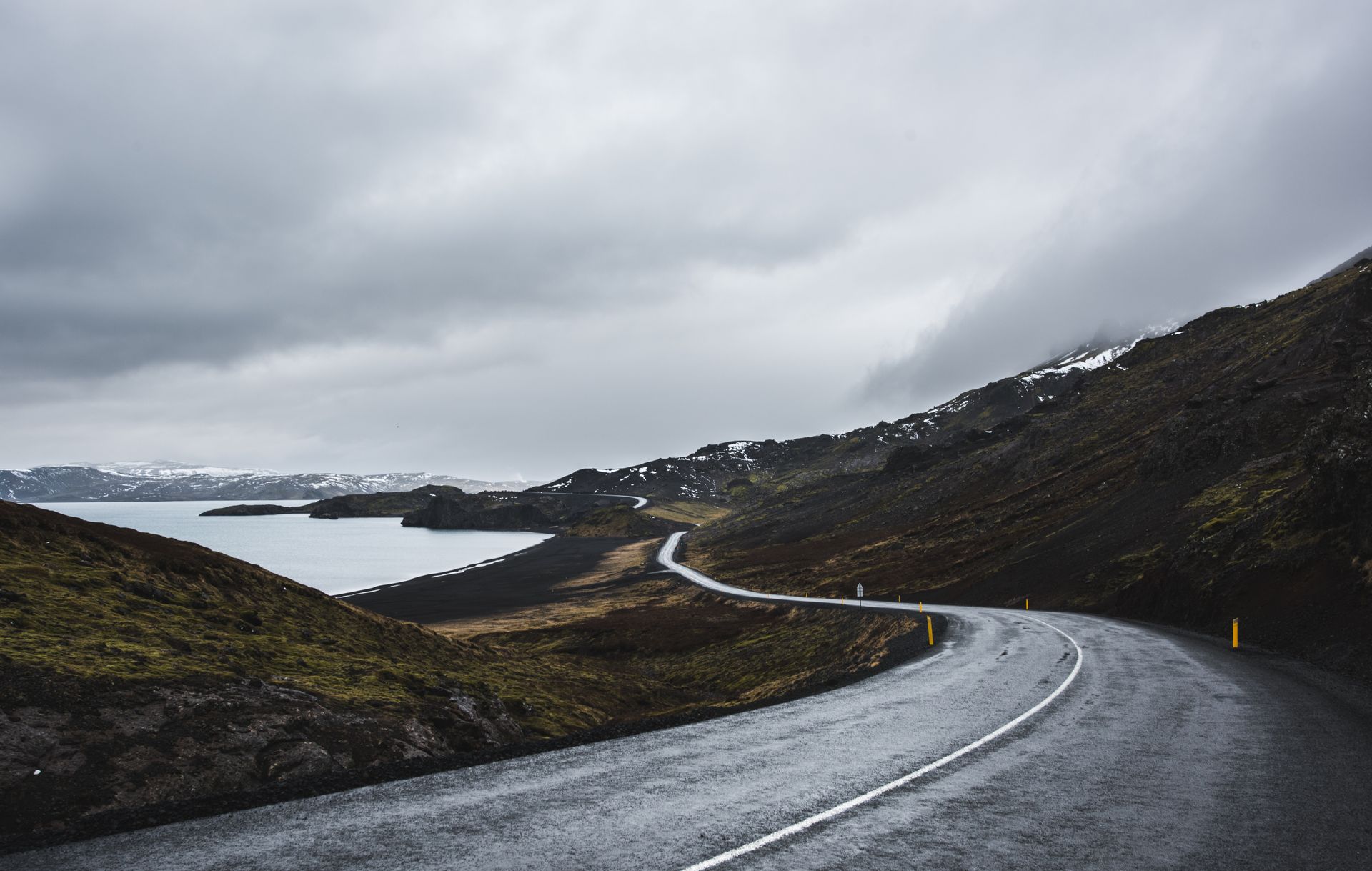
The Ring Road, or Route 1, traces a rough circle around the island. It is roughly 1,330 kilometers long, a distance that looks manageable on a map but is deceptive in practice. Weather, single-lane bridges, and the sheer scale of the scenery dictate a slower pace. Attempting this in five days is an exercise in misery. Eight to ten days is the sweet spot, allowing for sensible driving stints of three to four hours a day, leaving ample time for detours, long lunches, and soaking in geothermal water.
The Vehicle and the Elements
Before discussing where to sleep, we must address how you will get there. Your vehicle is your living room, your dining room, and occasionally your refuge from horizontal rain. Do not attempt to save money here. While a standard two-wheel-drive compact car is technically legal on the paved sections of Route 1 during the summer, it is a false economy. The moment you turn off the main highway to reach a secluded lodge or a trailhead, you will encounter gravel, potholes, and steep inclines.
You need a proper four-wheel-drive vehicle. A Toyota Land Cruiser or a Land Rover Defender provides the necessary clearance and, crucially, the weight to remain stable when the notorious Icelandic winds pick up. Just as important as the vehicle is the insurance. Standard rental policies are inadequate. You must purchase full gravel protection and ash and ice insurance. The volcanic terrain is unforgiving, and a single passing truck can kick up a stone that shatters a windshield. Pay the premium and drive with peace of mind.
The South Coast: Managing the Crowds
Leaving Reykjavik, the South Coast is your first introduction to the island's dramatic topography. It is also the most heavily trafficked section of the country. The waterfalls of Seljalandsfoss and Skogafoss are undeniably impressive, but you will share them with dozens of tour buses. The trick here is timing. Visit these sites before 9:00 AM or after 6:00 PM. During the middle of the day, retreat to your accommodation or explore the lesser-known canyons inland.
For lodging, the South Coast has seen a surge in high-end options. The Retreat at Blue Lagoon is often the default choice for arrivals, but I find it overpriced and overly orchestrated. Instead, push further east towards Hella or Vik. Hotel Ranga offers classic, slightly eccentric comfort with excellent staff who will wake you if the northern lights appear. Further along, Umi Hotel sits quietly between the mountains and the black sand beaches, offering a masterclass in minimalist Nordic design and a dining room that takes local ingredients seriously. Expect to pay around $500 to $800 per night in this region during the summer months.
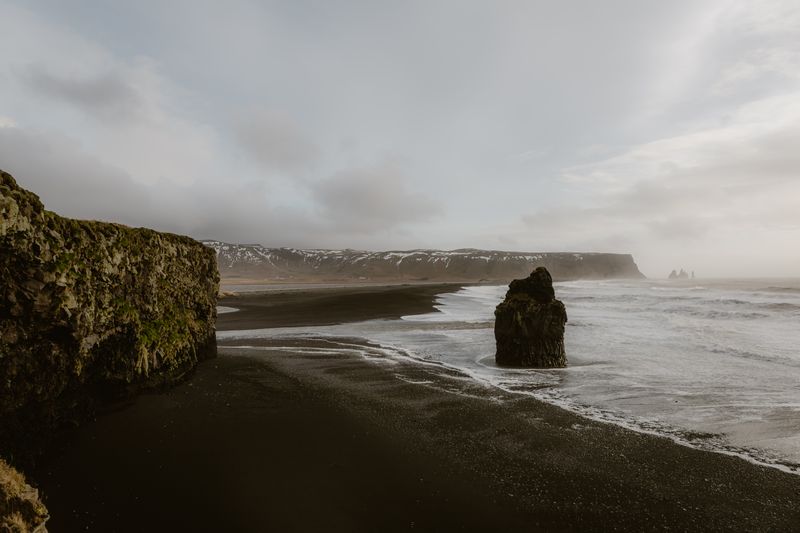
Photo by Andreas Ebner on Pexels
The East Fjords: The Quiet Corner
As you pass the glacial lagoon of Jokulsarlon and turn north, the crowds thin out dramatically. The East Fjords are characterized by deep, plunging valleys, narrow coastal roads, and a profound sense of isolation. The driving here requires concentration, as the road weaves tightly along the coastline, occasionally dropping to a single lane.
This is where the pace of your iceland luxury ring road itinerary should slow down. The towns of Seydisfjordur and Djupivogur feel entirely removed from the frantic energy of the south. Accommodation here is less about international luxury brands and more about refined, intimate guesthouses. Fosshotel Glacier Lagoon, located just before the East Fjords proper, is a striking piece of contemporary architecture that serves as an excellent base. Once in the fjords, look for restored historic buildings or small, family-run lodges that offer a genuine connection to the local fishing communities.
Myvatn and the North: Geothermal Reality
The north of Iceland is raw, volatile, and deeply fascinating. The Lake Myvatn area is a hotbed of geothermal activity, characterized by bubbling mud pots, steaming vents, and vast lava fields. It is also home to the Myvatn Nature Baths. Let me be clear: this is where you should spend your time soaking, not the Blue Lagoon. The water here is naturally heated, rich in minerals, and the complex is integrated into the landscape rather than imposed upon it. It is less crowded, less commercial, and infinitely more relaxing.
When planning your iceland luxury ring road itinerary, the north presents a choice between staying near Myvatn or pushing towards the capital of the north, Akureyri. I prefer the isolation of the Trollaskagi Peninsula, just north of Akureyri. Deplar Farm is the undisputed pinnacle of luxury in Iceland, a converted sheep farm offering heli-skiing in winter and world-class salmon fishing in summer. It operates on a fully inclusive model, and while the price tag is substantial—often exceeding $3,000 per night—the experience is flawless. For a more accessible option, Siglo Hotel in the fishing village of Siglufjordur offers classic maritime elegance right on the harbor.
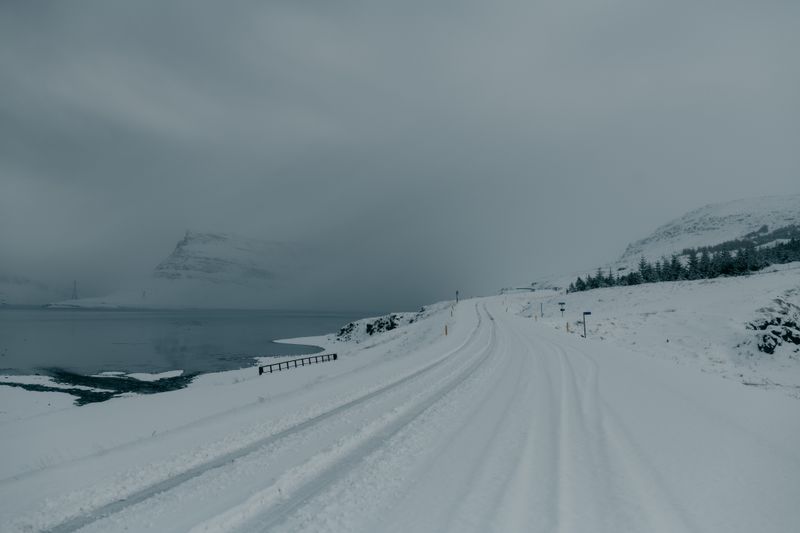
Photo by Julia Volk on Pexels
Snaefellsnes: Iceland in Miniature
If you have ten days, the Snaefellsnes Peninsula in the west is a mandatory detour before returning to Reykjavik. Often described as "Iceland in miniature," it condenses glaciers, volcanoes, black sand beaches, and dramatic cliffs into a single, easily navigable landmass. The driving here is straightforward, and the scenery is consistently engaging.
Hotel Budir is the place to stay. It sits alone on a lava field, facing a pale sand beach and a glacier-capped volcano. The rooms are comfortable rather than opulent, but the restaurant is exceptional, and the atmosphere is exactly what you want at the end of a long road trip: quiet, atmospheric, and deeply comfortable.
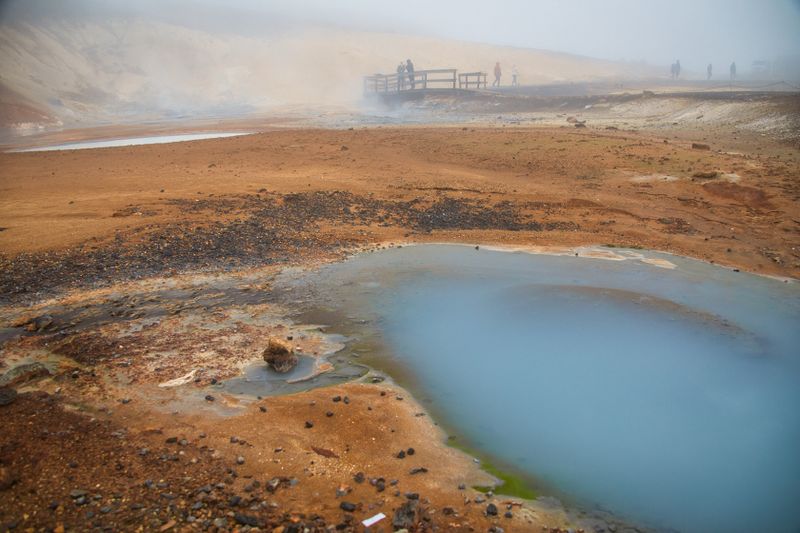
Photo by Koen Swiers on Pexels
The Light: Northern Lights vs Midnight Sun
Your experience of the Ring Road will be entirely dictated by the season, specifically the light. The summer months of June through August offer the midnight sun. This means endless daylight, allowing you to drive late into the evening and visit popular sites at 2:00 AM when you will have them entirely to yourself. The trade-off is that you will not see the northern lights, and the prices are at their absolute peak.
September and October are the optimal months. The crowds recede, the prices soften slightly, and you have enough darkness to see the aurora borealis, provided the skies are clear. You still have enough daylight to drive safely and enjoy the landscape.
Winter, from November through March, is a different proposition entirely. I strongly advise against attempting a full Ring Road circumnavigation in winter. The days are brutally short—perhaps four hours of usable light in December—and the weather is volatile. Roads close frequently due to blizzards, and black ice is a constant threat. If you want to see the northern lights in winter, fly into Keflavik, rent a heavy 4x4, and base yourself at a single, comfortable lodge on the South Coast or the Golden Circle. Do not try to drive 1,300 kilometers in the dark.
Practicalities: When to Go, How Long, and How to Get There
When to Go: Late August to early October is the prime window. You get the best balance of manageable weather, autumnal colors, and a chance to see the aurora.
How Long to Stay: Eight days is the absolute minimum for the Ring Road. Ten days is comfortable. Twelve days allows you to explore the Westfjords, which are spectacular but require significant extra driving.
How to Get There: Keflavik International Airport (KEF) is the main hub, located about 45 minutes from Reykjavik. Icelandair offers excellent connections from North America and Europe, often with the option of a free stopover.
Comparing the Key Regions
| Region | Best For | The Vibe | Approximate Nightly Rate (Summer) |
|---|---|---|---|
| South Coast | Glaciers and waterfalls | Dramatic, accessible, busy | $400 - $800 |
| East Fjords | Isolation and driving | Quiet, winding, coastal | $250 - $450 |
| The North (Myvatn) | Geothermal activity | Raw, volcanic, expansive | $300 - $600 |
| Trollaskagi Peninsula | Ultimate luxury and heli-skiing | Exclusive, remote, alpine | $1,500 - $3,500+ |
| Snaefellsnes | Condensed landscapes | Atmospheric, literary, coastal | $350 - $550 |
What I Would Skip
Skip the Blue Lagoon. It is a massive, man-made pool fed by runoff from a nearby geothermal power plant. It is crowded, expensive, and requires booking weeks in advance just to share a locker room with hundreds of other tourists. Save your money and your time for the Myvatn Nature Baths in the north, or the newer Forest Lagoon near Akureyri.
I would also skip the Golden Circle if you are driving the entire Ring Road. The geysers and waterfalls are fine, but they pale in comparison to what you will see further east and north, and the sheer volume of day-trippers from Reykjavik detracts from the experience.
The Final Verdict
An iceland luxury ring road itinerary is an exercise in editing. You cannot see everything, and attempting to do so will ruin the trip. The goal is not to tick off every waterfall, but to experience the scale and silence of the landscape without sacrificing comfort.
If I were booking this trip today for late September, I would secure a Land Cruiser with full insurance immediately. I would skip Reykjavik entirely upon arrival, driving straight to Hotel Ranga to recover from the flight. I would allocate two nights in the East Fjords to break up the driving, and I would spend the bulk of my budget on three nights at Deplar Farm in the north, using it as a base to explore the geothermal areas and the coastline. Finally, I would end with two nights at Hotel Budir on the Snaefellsnes Peninsula, drinking wine and watching the weather roll in off the Atlantic. That is how you drive Iceland properly: slowly, comfortably, and with a healthy respect for the elements.
Questions we get asked
Before you book
- Can I drive the Ring Road in winter?
- I strongly advise against it for most drivers. Winter brings unpredictable blizzards, frequent road closures, and very limited daylight, making a full circumnavigation stressful and often impossible.
- Do I really need a 4x4 for the Ring Road?
- If you are strictly staying on Route 1 in summer, a 2WD is technically sufficient. However, a 4x4 provides essential stability in high winds and allows you to safely navigate the gravel access roads leading to the best lodges.
- Is the Blue Lagoon worth it?
- It is convenient for airport arrivals, but it is crowded and entirely man-made. The geothermal baths in the north, like Myvatn Nature Baths or GeoSea, offer a far superior and more authentic experience.
Some links in this guide are affiliate links. If you book through them we may earn a commission at no extra cost to you — it never changes what we recommend. Read our disclosure.