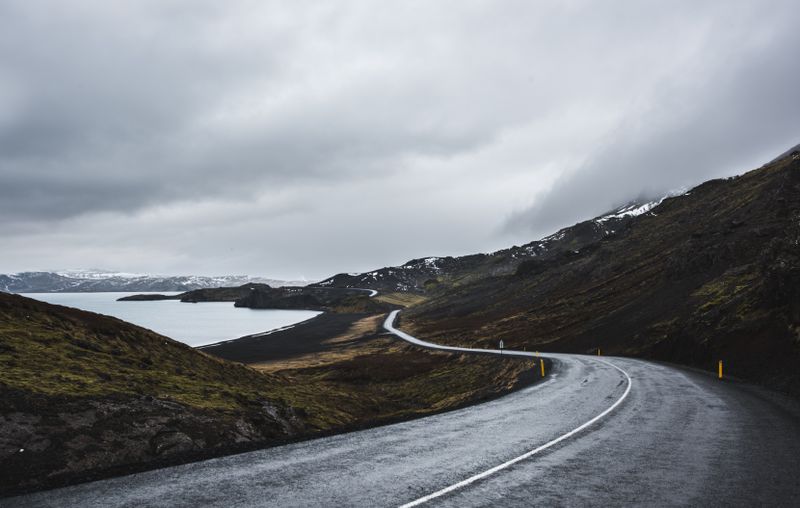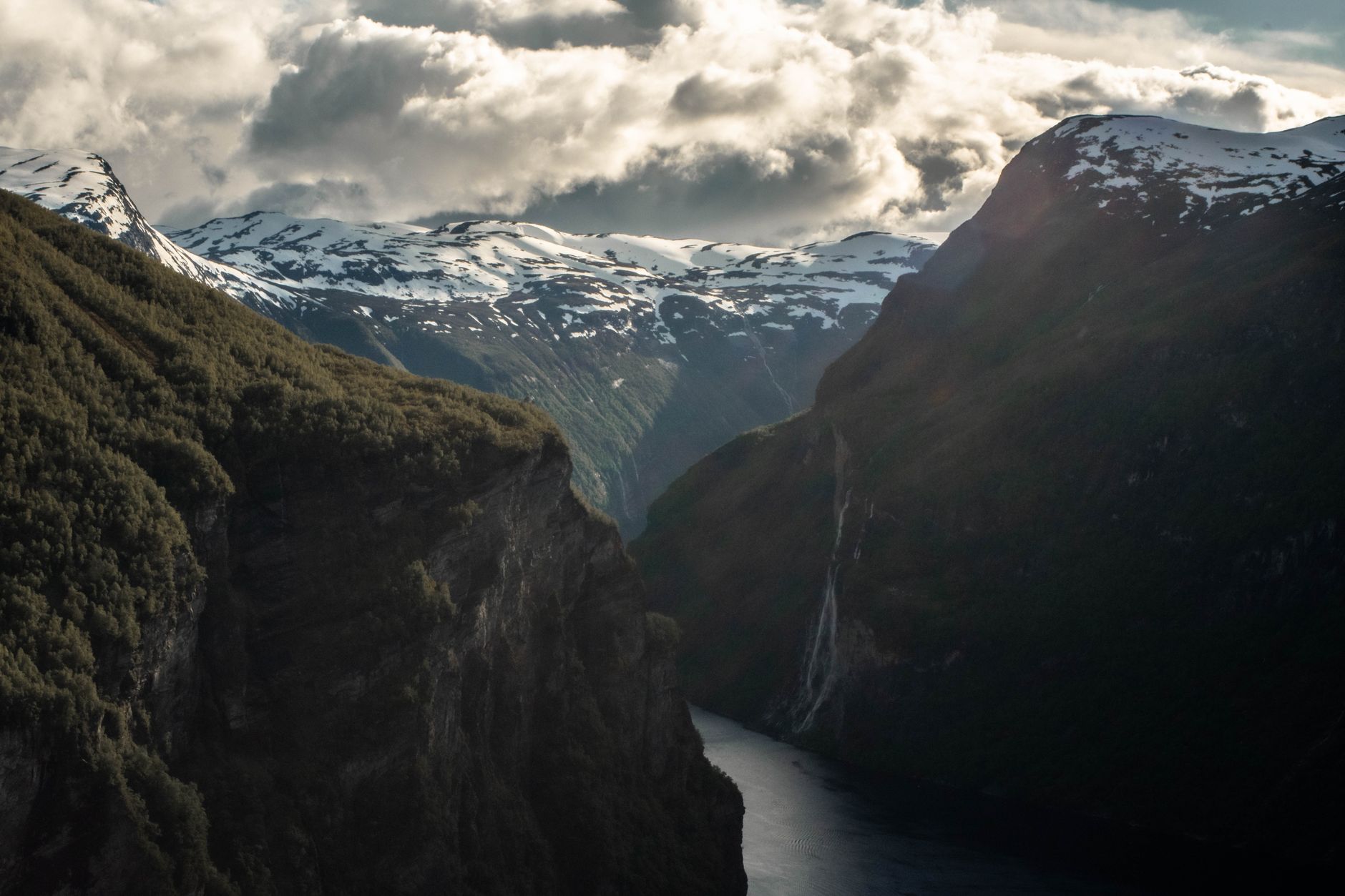
The right Norwegian fjord trip begins with a practical choice: Aurland and Nærøyfjord for elegant rail-and-boat travel, or Sunnmøre for a lodge-led road trip. This guide explains where to stay, when a ferry replaces a cruise, and how to use long summer light without building an exhausting itinerary.
First, choose the fjord that suits your kind of comfort
The real choice is not whether to see a Norwegian fjord. It is whether you want Nærøyfjord and Aurland, where trains, boats and a very small hotel can make a polished car-free journey, or Geirangerfjord and Hjørundfjord, where a car, a vehicle ferry and a lodge with some real privacy make far better sense.
Both can be beautiful in the slightly absurd way western Norway manages so casually. But they solve different problems. Aurland is for travellers who value a clean sequence of connections: Bergen or Oslo by rail, Flåm Railway, a two-hour fjord crossing, then a quiet base above the traffic. Sunnmøre is for travellers who want to drive slowly, stay somewhere with a proper sense of seclusion and let a ferry replace an awkward return journey.
If you are comparing luxury Norway fjord hotels, do not start with a list of properties. Start with the ferry timetable. In this part of the world, the day’s last sailing, the interval between crossings and whether your car boards with you determine where you sleep, when you eat and whether the journey feels composed or needlessly hectic.
My blunt view: give this trip at least four nights. Two nights is enough for a scenic slideshow and a considerable amount of luggage handling. Four nights lets the light do its work and gives you room for a wet-weather adjustment without turning the entire holiday into a logistics exercise.
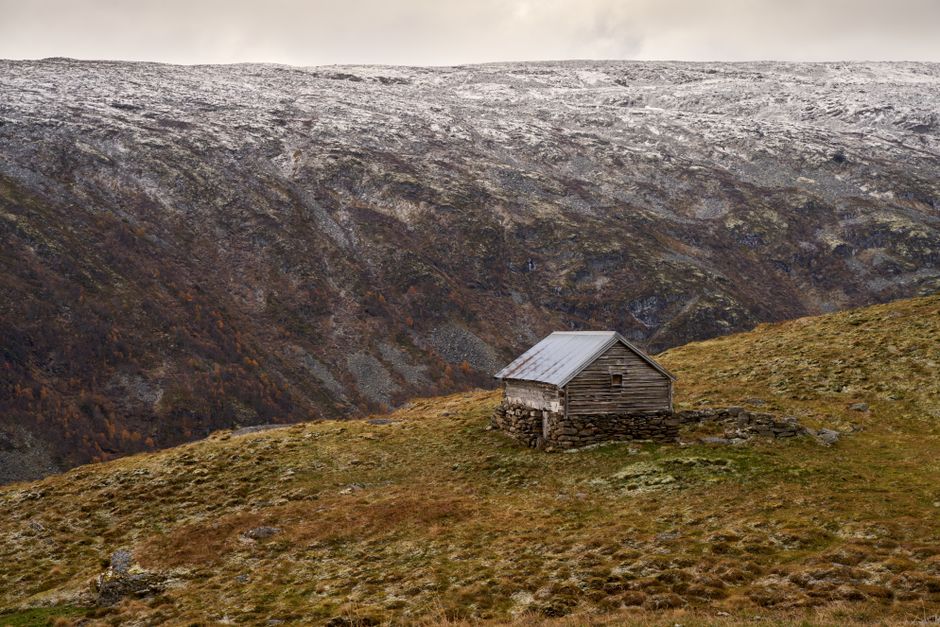
Photo by Barnabas Davoti on Pexels
The short answer: which fjord should you book?
| If you want… | Choose | Best base | The ferry that shapes the trip | The trade-off |
|---|---|---|---|---|
| A graceful, largely car-free route from Bergen or Oslo | Nærøyfjord and Aurland | 29|2 Aurland | Flåm–Gudvangen | Flåm is busy and the best lodge sits above it, so transfers still matter |
| Classic waterfall drama and a scenic road loop | Geirangerfjord | Geiranger or Hellesylt as a one-night stop | Hellesylt–Geiranger vehicle ferry | Cruise traffic and coach groups can change the mood of Geiranger in the middle of the day |
| The most restful, grown-up lodge stay | Hjørundfjord and Norangsfjord | Hotel Union Øye or Storfjord Hotel | A fjord cruise as an excursion, rather than a compulsory transfer | You need a car and should accept longer drives |
| One trip with both headline scenery and breathing room | Sunnmøre with Hjørundfjord plus Geirangerfjord | Union Øye for two nights, Storfjord for one or two | Hellesylt–Geiranger | It requires more route planning than the Bergen–Flåm corridor |
For an easy first trip: Nærøyfjord, Flåm and Aurland
Nærøyfjord is the sensible choice when you want the fjord to be part of a journey rather than an isolated day out. The Flåm–Gudvangen route runs through the narrow UNESCO-listed fjord and takes about two hours. For 2026, Lustrabaatane schedules multiple daily departures from late April into mid-October, with the broadest choice in June, July and August. That is your structural advantage: you can travel one way by boat instead of spending the day retracing a road. (en.lustrabaatane.no)
The mistake here is sleeping in Flåm merely because the boat terminates there. Flåm is efficient, not intimate. It has the railway station, quay and the concentrated bustle that comes with both. I would use it as a transport node, have lunch if timing demands it, then leave.
For a more considered stay, book 29|2 Aurland. It is a small, eight-room property spread across three historic buildings, with a daily set three-course dinner in the main season. That scale is precisely the point: it feels like a rural address with excellent standards rather than a resort constructed to absorb coach tours. The hotel asks guests to plan arrival between 3pm and 6pm, which is a useful reminder that this is a stay to arrange around, not a place for rolling in at midnight after a frantic chain of connections. (292aurland.com)
A good four-night Aurland version looks like this:
Night one: arrive without attempting a victory lap
Come from Bergen via Voss and the Flåm Railway, or from Oslo via the mountain railway and Myrdal. Aim to be at 29|2 in time to settle in before dinner. Do not squeeze in Stegastein viewpoint, the railway and a fjord cruise after a long arrival day. It sounds decisive; it feels like administration.
Night two: take the boat as a crossing
Have the hotel arrange or advise on your transfer to Flåm, take a mid-morning or early-afternoon sailing to Gudvangen, then return by road through the Nærøy Valley or via an organised connection. The direction is less important than protecting enough time at either end. Boarding 15 minutes ahead is advised by the operator, and summer departures are frequent enough that there is no prize for choosing the earliest one. (en.lustrabaatane.no)
Night three: stay on land
Make this your walking day. Aurland’s appeal is the contrast between the water-level drama and the upland farms, old roads and open views above the fjord. Ask the hotel for a route that suits the weather and your nerve, rather than blindly following the most photographed pin on a map. Norwegian paths can be immaculate or decidedly not; footwear that survives rain and uneven ground is more useful than fashionable hiking kit.
Night four: keep a contingency day
Use it for an unhurried second look at the fjord, a drive around Aurlandsfjord if you have hired a car, or simply a late breakfast and a book. Long light is valuable because it removes pressure, not because it obliges you to fill every hour. In late June and July, dinner can end with a bright sky; in September, the evening darkens earlier but the roads and quays are calmer.
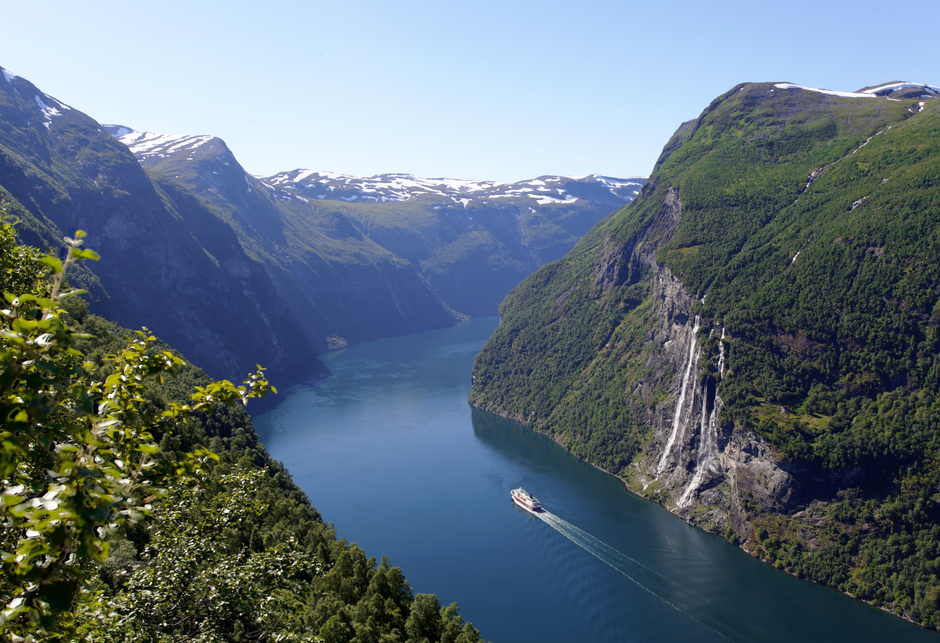
Photo by Chuck Henjes on Pexels
For the grander road trip: Geirangerfjord and Hjørundfjord
Choose Sunnmøre if you are prepared to rent a car and want landscape to unfold as a series of decisions: pull over here, take this ferry, abandon that viewpoint because the cloud is sitting on it, then arrive at a hotel where nothing else is required of you. It is the less frictionless option. It is also, for many travellers, the more rewarding one.
The key move is treating the Hellesylt–Geiranger ferry as a piece of your road route. The crossing is not merely transport across the UNESCO fjord; it passes the waterfalls and steep-sided scenery people otherwise buy a separate sightseeing boat to see. Fjord1 operates the 2026 route with vessels including MF Veøy and MF Bolsøy, and publishes a dedicated seasonal timetable. (fjord1.no)
That means you should book a vehicle space first and shape the day around it. Do not drive to Geiranger, take a duplicate sightseeing cruise, then drive back the same way unless you have a particular reason. It wastes good hours and adds an unnecessary queue. One well-timed ferry gives you the water-level view and lands you ready for the next stretch of road.
The 2026 timetable is notably fuller between late May and late September, but that is not a guarantee against crowding. Geiranger’s harbour can become busy around cruise calls, and Norway’s Coastal Administration maintains specific 2026 anchoring plans for Geiranger and Hellesylt. If tranquillity matters, sleep away from the central quay or arrive after the day visitors have dispersed. (kystverket.no)
Where to stay: Union Øye for romance, Storfjord for retreat
Hotel Union Øye is the choice for character. It sits in the tiny hamlet of Øye, by Norangsfjord near Hjørundfjord, in a historic hotel whose rooms are individually designed. The pleasure is not slick uniformity; it is wood panelling, a library, dining rooms with a lived-in quality and the sensation that you have gone properly out of the way. Its location makes it ideal for two nights after Geiranger, when a quiet breakfast matters more than being near a shop. (unionoye.no)
Storfjord Hotel, near Ålesund, is better for a final decompression night or two. Its wooded, elevated position and fjord-view rooms make it feel more contemporary in service and more deliberately secluded in atmosphere. It also puts you in a useful position for Ålesund Airport, without requiring that you sleep in the city. The hotel is in Øvre Glomset, Skodje, and its own driving suggestions include the Atlantic Road, Trollstigen and Norangsdalen, which tells you exactly what sort of base it is. (storfjordhotel.com)
I would not try to stay at both Union Øye and Storfjord in one night each. That is a classic luxury-travel mistake: paying for beautiful rooms, then using them only to unpack and repack. Give Union Øye two nights if the point is Hjørundfjord and hiking; give Storfjord two if you want Ålesund, a private boat outing or a gentler finish.
The ferry timetable is the itinerary
A successful fjord itinerary starts with three questions, in this order:
- What is the last useful sailing? Book your accommodation only after you know it. A late ferry can be a gift in June; in autumn it may leave you driving unfamiliar roads in rain after dark.
- Is the boat a passenger cruise or a vehicle ferry? Flåm–Gudvangen is passenger-only, so a hired car cannot come with you. Hellesylt–Geiranger is exactly where a car earns its keep. (en.lustrabaatane.no)
- What happens if visibility is poor? Build one flexible morning or afternoon into the route. The fjord is still compelling in low cloud, but high viewpoints are not worth forcing when the view has disappeared.
For Aurland, book rail and boat first, lodge second, then decide if a single-day car hire improves the plan. For Sunnmøre, book the hotel and ferry first, then hire the car. In both places, reserve dinners at the hotel when you reserve the room. Remote dining is part of the pleasure; it is not an area where you should assume an excellent alternative is five minutes away.
When to go for long light without the peak-season crush
Mid-June to early July is the sweet spot for maximum daylight, snow still visible high in the mountains and a sense of possibility in the evenings. It is also busy, so reserve the smallest hotels and critical ferries well ahead.
Late August to mid-September is my preferred compromise. Days remain generous, water and waterfalls still have force, and the fjord corridor begins to breathe again after the highest summer pressure. The Nærøyfjord passenger cruise’s 2026 season runs only into mid-October, so do not leave a September plan until the last minute and assume every sailing will still be available. (en.lustrabaatane.no)
May can be superb for waterfalls but asks more of you: some high roads and hiking routes may still be constrained by snow, weather can turn quickly, and seasonal services are only beginning. October is for people comfortable accepting a narrower transport menu in exchange for quiet. It is not the month for an intricate, no-margin route.
What is worth paying for, and what is not
Pay for the small lodge with dinner included or reliably available. The difference between waking beside a ferry terminal and waking somewhere you actively want to be is the difference between ticking off scenery and actually resting.
Pay for a vehicle spot on the Geiranger ferry if it removes a long backtrack. Pay for a guided hike if weather, navigation or local conditions make independent walking a doubtful proposition. And pay for a private boat only if you genuinely want privacy, fishing or a tailored excursion; it is not necessary merely to see the famous waterfalls.
Do not spend heavily on a generic “fjord package” that leaves you with fixed transfers and a hotel in the busiest location. Do not rent a car for the entire Bergen–Flåm–Gudvangen sequence solely because driving feels more luxurious. There is nothing luxurious about guarding a rental car while you are on a passenger boat.
The best version of Norway’s fjords is not an endless chase for viewpoints. Choose one fjord system, one lodge that rewards staying put, and one ferry crossing that moves you forward. Then leave enough empty space for the weather, the long evenings and the rare pleasure of having nowhere more urgent to be.
Photo by Kjetil Hope on Pexels
Questions we get asked
Before you book
- Which fjord is best for a first luxury Norway trip?
- For a first visit without a car, choose Nærøyfjord and Aurland. The Flåm–Gudvangen crossing slots naturally into rail connections, while 29|2 Aurland provides the kind of small-scale stay that Flåm itself generally does not.
- Should I hire a car for the fjords?
- Not necessarily. A car is useful in Sunnmøre, particularly for linking Hellesylt, Geiranger, Hjørundfjord and Ålesund. For the Bergen–Flåm–Gudvangen route, rail, boat and transfers are often more comfortable than carrying a rental car through the plan.
- How far ahead should I book ferries?
- If you are visiting between late May and September and travelling with a car, book the Hellesylt–Geiranger vehicle ferry as soon as your route is firm. Passenger-only Nærøyfjord crossings should also be reserved for the date and sailing that anchor your connections.
- How many nights do I need in the Norwegian fjords?
- Allow at least four nights in one fjord region. That gives you an arrival day, a ferry day, a walking or driving day and one weather buffer. Add nights only if you want to stay at two different lodges rather than rush between them.
Some links in this guide are affiliate links. If you book through them we may earn a commission at no extra cost to you — it never changes what we recommend. Read our disclosure.