November in Kyoto is a masterclass in seasonal obsession. Here is how to navigate the crowds, choose the right neighbourhood, and decide if a traditional ryokan is actually right for you.
There is a specific kind of silence that falls over Kyoto in late November, usually right around 5:30 AM. It is the only time of day during the autumn foliage season when the city feels entirely yours. By 8:00 AM, the tour buses will have descended on the major temples, and the narrow lanes of Higashiyama will be shoulder-to-shoulder with visitors chasing the perfect photograph of a red maple leaf. If you are searching for the best luxury ryokan kyoto autumn has to offer, you need to understand that the experience is as much about timing and geography as it is about thread counts and kaiseki menus.
Kyoto in the autumn is not a spontaneous destination. It requires military-level planning disguised as a leisurely holiday. The city transforms into a canvas of crimson, gold, and burnt orange, drawing domestic and international travellers in equal, overwhelming measure. To navigate this season successfully, you have to make deliberate choices about where you sleep, what you eat, and, crucially, what you are willing to skip.
The Reality of the Ryokan Experience
Let us be entirely honest about traditional Japanese inns. The romanticised idea of a ryokan often clashes with the rigid reality of staying in one. A ryokan is not merely a hotel; it is a highly choreographed cultural immersion. When you check in, you surrender control of your schedule. Dinner is served at a specific time, usually between 6:00 PM and 7:00 PM. Breakfast is equally regimented. You will bathe when it is appropriate, sleep on the floor, and wear the provided yukata around the property.
For many, this structure is deeply relaxing. The removal of choice allows you to fully inhabit the present moment. However, if you are someone who likes to wander the city until 9:00 PM and grab a casual bowl of ramen, a traditional ryokan will feel restrictive. The futon bedding, laid out on tatami mats while you eat dinner, is firmer than any Western mattress. If you have a bad back, two nights on a futon might leave you reaching for painkillers rather than inner peace.
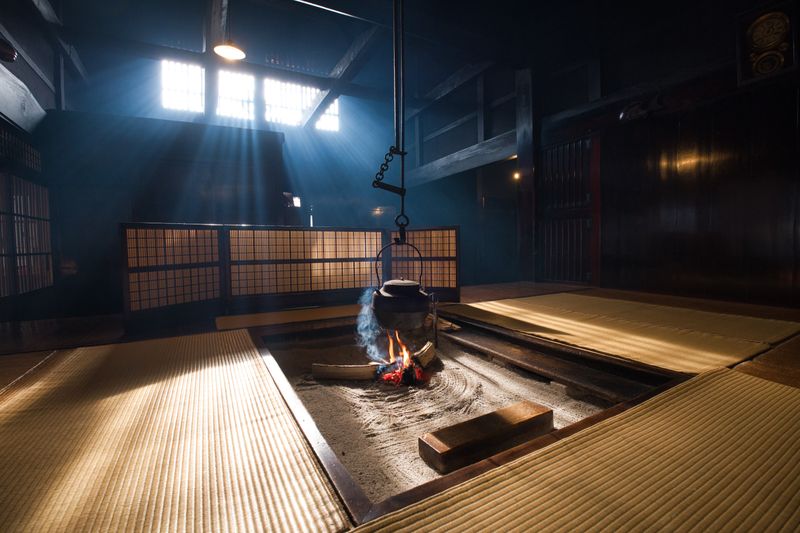
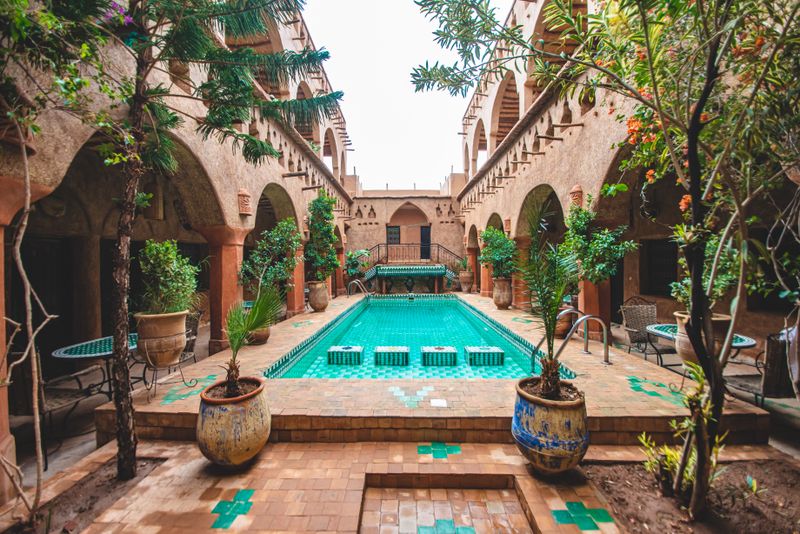
Photo by Evgeny Tchebotarev on Pexels
This is why finding the best luxury ryokan kyoto autumn experience often means looking for a compromise. Many high-end properties now offer "Japanese-Western" rooms. These feature the aesthetic of a traditional inn—shoji screens, tatami flooring, minimalist design—but include low platform beds with thick, supportive mattresses. They also tend to have private en-suite bathrooms, whereas strictly traditional ryokans often rely on shared bathing facilities, even if those facilities are beautifully designed onsen fed by hot springs.
Kaiseki and Onsen Etiquette
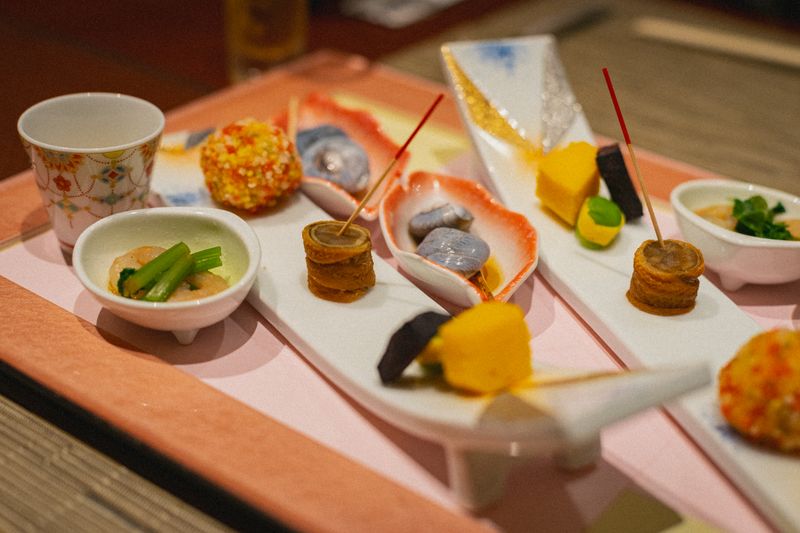
If you commit to a ryokan, you are committing to kaiseki. This is the traditional multi-course dinner that reflects the hyper-seasonality of Japanese cuisine. In November, expect dishes featuring matsutake mushrooms, ginkgo nuts, and persimmons, presented on ceramics chosen specifically for the autumn months. It is a slow, deliberate meal that takes roughly two hours. It is an art form, but it is also a lot of food, and the pacing can feel glacial if you are tired from a day of temple hopping.
Onsen etiquette is another hurdle for the uninitiated. If your ryokan has public baths, you must wash thoroughly before entering the water. Tattoos are still widely prohibited in communal baths, though luxury properties are increasingly accommodating, either by turning a blind eye to small tattoos or providing adhesive covers. If this causes anxiety, book a room with a private open-air bath (rotenburo). It significantly increases the nightly rate, but the privacy of soaking in hot water while looking out at a maple tree turning red in your own private garden is difficult to overstate.
Choosing the Right Neighbourhood
Kyoto is much larger and more sprawling than its reputation suggests. It is not a compact, walkable village; it is a major city surrounded by mountains. Where you base yourself dictates the rhythm of your days.
Higashiyama and Gion
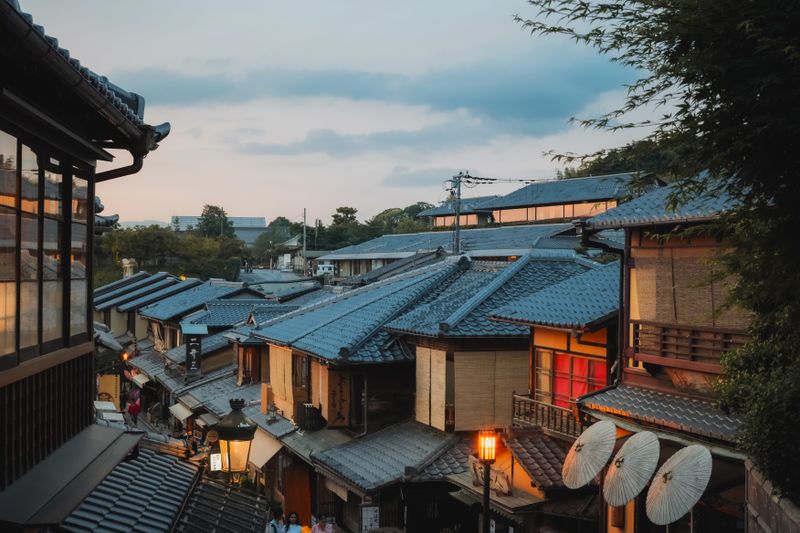
This is the Kyoto of your imagination. Preserved wooden machiya houses, narrow stone-paved streets, and the occasional glimpse of a geiko or maiko hurrying to an appointment. Staying in Higashiyama puts you within walking distance of Kiyomizu-dera and Kodai-ji. The trade-off is the crowds. During the day, the main arteries are heavily congested. However, if you stay here, you have the distinct advantage of exploring the streets at dawn or late at night when the day-trippers have left. Expect to pay a premium for the location.
Arashiyama
Located on the western edge of the city, Arashiyama feels like a retreat. It is famous for its bamboo grove and the Katsura River. In autumn, the forested mountainsides turn spectacular shades of red and yellow. The luxury properties here often feel more secluded, hidden behind high walls or accessed via private boats. The downside is the commute. Getting from Arashiyama to the temples on the eastern side of the city takes roughly 45 minutes to an hour. It is best suited for a two-night stay focused entirely on the immediate area.
Kamigyo and Central Kyoto
If you prefer a more functional, less tourist-heavy environment, look to the neighbourhoods north of the city centre, near the Imperial Palace. Kamigyo offers a quieter, more residential feel. You will find excellent local restaurants, fewer crowds, and easier access to the subway network. It lacks the immediate historical charm of Higashiyama, but it makes navigating the city significantly easier.
Modern Luxury vs. Traditional Ryokan
To help you decide, here is a comparison of the typical experiences.
| Accommodation Type | Best For | The Vibe | Approximate Nightly Rate |
|---|---|---|---|
| Traditional Ryokan | Cultural purists, slow travel | Highly structured, deeply traditional, quiet | $600 - $1,200+ (includes half-board) |
| Modern Luxury Hotel | Independent travellers, comfort seekers | Flexible, international standards, spacious | $800 - $1,500+ (room only) |
| Ryokan-Hotel Hybrid | First-timers, design enthusiasts | Best of both worlds, platform beds, private baths | $1,000 - $2,000+ (often includes breakfast) |
The Autumn Foliage Timing
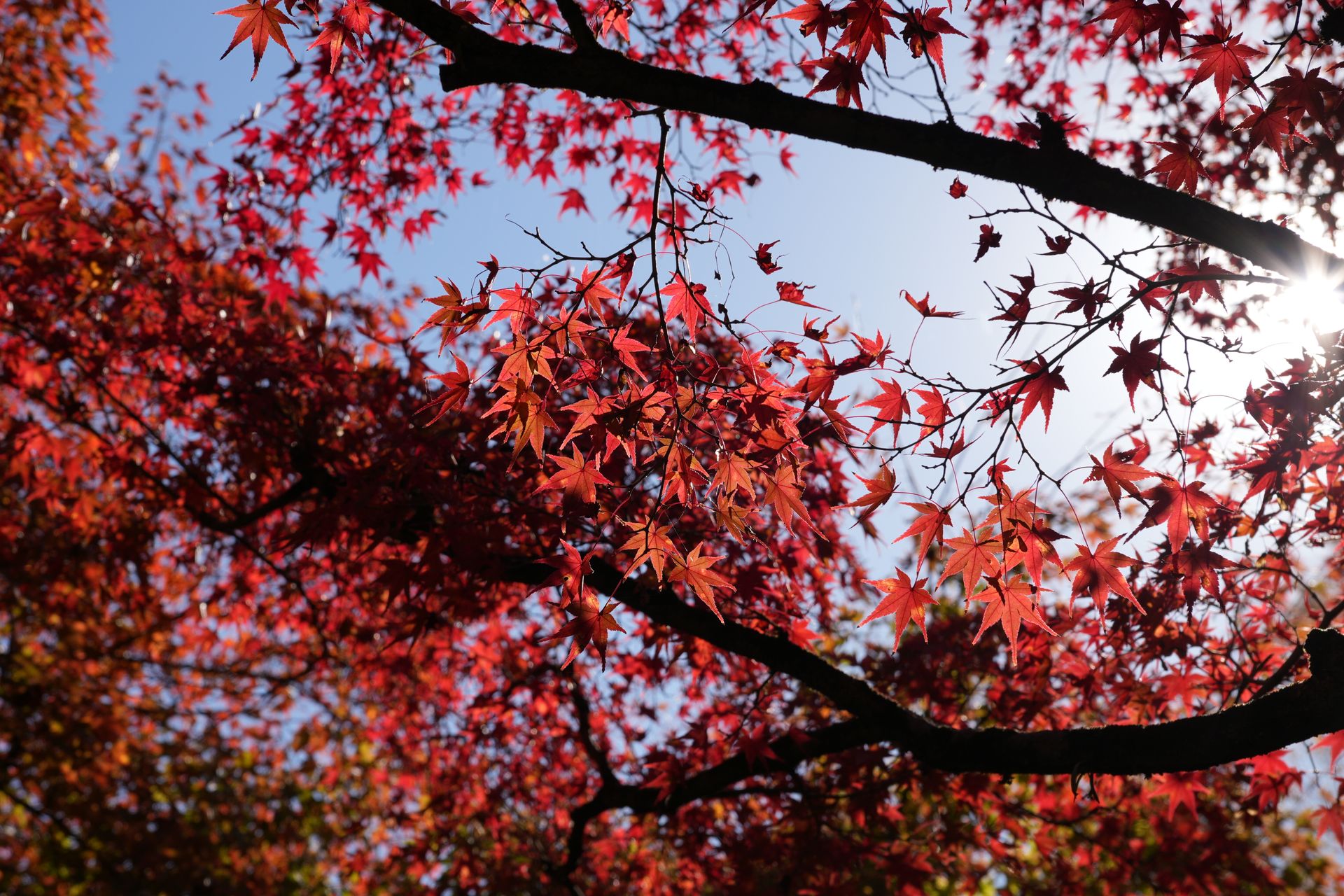
Predicting the exact peak of the autumn leaves (koyo) is a national pastime in Japan. Generally, the colours begin to turn in early November in the northern mountains and gradually move down into the city basin. The peak usually hits between the 20th and 30th of November.
If you arrive in early November, head to the higher elevations like Kurama or Mount Hiei. If you arrive in early December, the main temples might be past their peak, but the scattered fallen leaves creating red carpets on the moss gardens are arguably just as beautiful, and the crowds are noticeably thinner.
What I Would Skip
I will be blunt: skip the Arashiyama Bamboo Grove unless you are willing to be there by 6:30 AM. By mid-morning, it is a slow-moving queue of people holding smartphones in the air, completely ruining the serene atmosphere the grove is supposed to evoke.
Similarly, I would reconsider the Philosopher's Path in the middle of the day during peak foliage. It is beautiful, yes, but the sheer volume of foot traffic makes it impossible to actually philosophise. Instead, seek out the smaller, lesser-known sub-temples within the Daitoku-ji complex. They offer immaculate gardens and a fraction of the visitors.
Practicalities: When to Go, How Long, How to Get There
When to Go: If your sole priority is the autumn leaves, aim for the last week of November. Be prepared for peak pricing and maximum occupancy. Book your accommodation at least six to eight months in advance. If you wait until August to book a November trip, you will be left with whatever is leftover, which is rarely good and always overpriced.
How Long to Stay: Four nights is the absolute minimum for Kyoto. Five or six nights allow you to actually absorb the city rather than just ticking off temples.
How to Get There: Fly into Osaka's Kansai International Airport (KIX) or Tokyo's Haneda or Narita airports. From Tokyo, the Shinkansen (bullet train) takes roughly two hours and fifteen minutes to reach Kyoto Station. Do not rent a car in Kyoto; the traffic during autumn is terrible, and parking near major sites is non-existent. Rely on the subway, taxis, and your own two feet.
Final Verdict: What I Would Book
If I were planning a trip to Kyoto this November, I would not spend the entire time in a traditional inn. The structure becomes exhausting after a few days. Instead, I would split the stay.
I would begin with three nights at a modern luxury hotel in the city centre or near the Kamogawa River. This provides a comfortable base to recover from jet lag, utilize the concierge for hard-to-get restaurant reservations, and explore the city on my own schedule.
Then, for the final two nights, I would move to a high-end ryokan in Arashiyama or a quieter corner of Higashiyama. By this point in the trip, I would be ready to surrender to the slow pace of kaiseki dinners and morning onsen soaks. This hybrid approach gives you the cultural immersion of the best luxury ryokan kyoto autumn has to offer, without sacrificing the freedom to experience the city on your own terms. It is the most balanced way to experience a city that demands a lot from its visitors, but rewards them with moments of profound, quiet beauty.
Questions we get asked
Before you book
- When is the best time to see autumn leaves in Kyoto?
- Peak foliage typically occurs from mid to late November, though the exact timing shifts slightly each year depending on temperatures. Early December can also offer beautiful late-season colours with fewer crowds.
- Do I have to sleep on the floor in a ryokan?
- Traditional ryokans use futons on tatami mats, which are firmer than Western beds. However, many modern luxury ryokans now offer 'Japanese-Western' rooms featuring low platform beds with thick mattresses.
- Is a kaiseki dinner worth the time and cost?
- Yes, if you appreciate culinary artistry and seasonal ingredients. It is a slow, multi-course experience that takes about two hours. If you prefer casual, quick meals, you might find it tedious.
Some links in this guide are affiliate links. If you book through them we may earn a commission at no extra cost to you — it never changes what we recommend. Read our disclosure.