Booking a riad in Marrakech is an exercise in managing expectations. Behind every heavy wooden door is a courtyard, but not all of them offer the peace you are paying for.
The first time you arrive at a riad in the medina, you will likely be convinced you have made a terrible mistake. Your taxi will drop you at a dusty gate. A man with a wooden handcart will load your luggage and gesture for you to follow him down an alleyway that smells faintly of exhaust and strongly of cumin. You will dodge mopeds, stray cats, and donkey carts. The walls will be high, windowless, and crumbling in places. And then, your porter will stop at a heavy, unmarked wooden door, turn an iron key, and usher you inside.
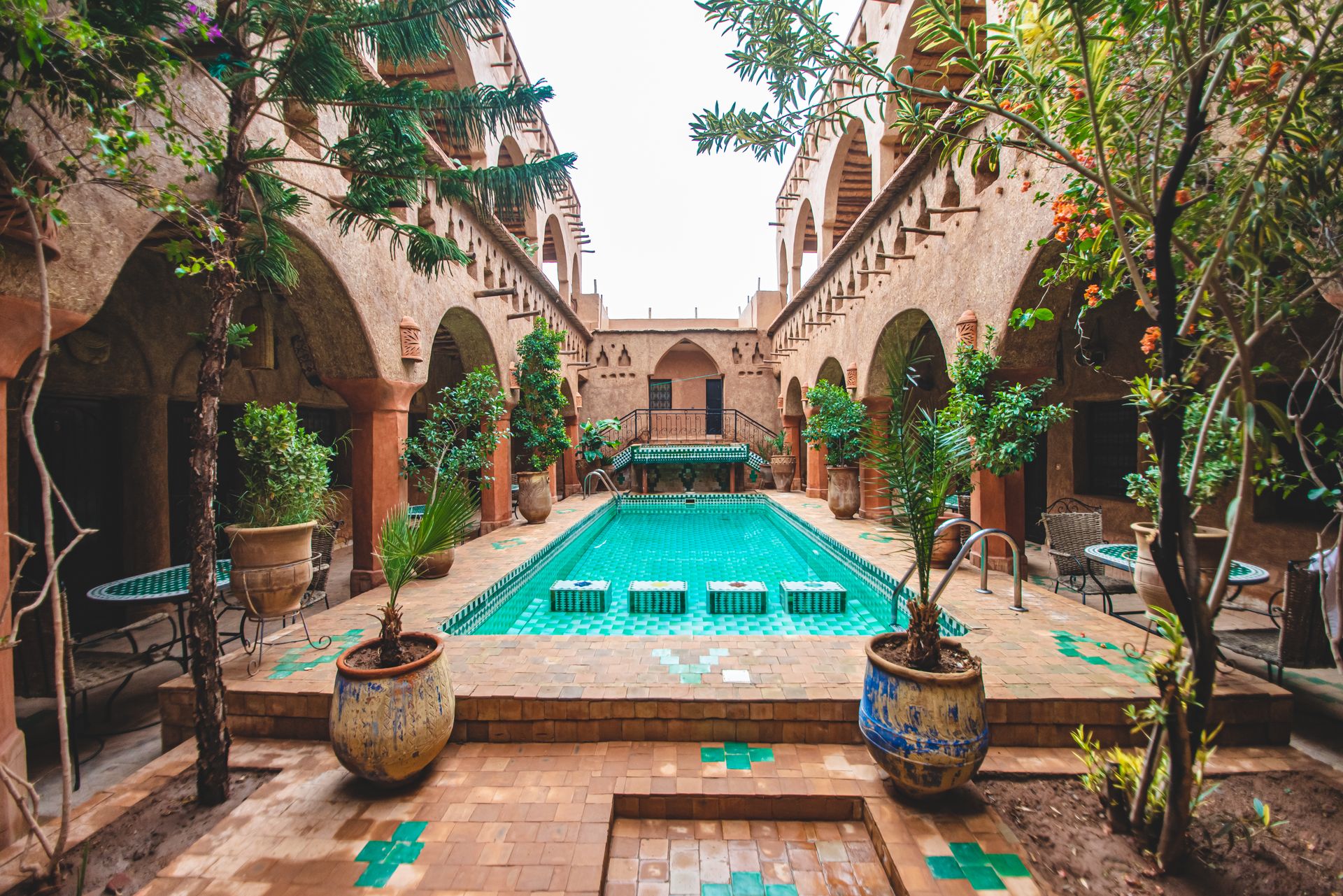
Suddenly, the chaos of the street vanishes. You are standing in a courtyard filled with the scent of orange blossoms, the sound of a trickling fountain, and the quiet hum of a well-run household. This architectural sleight of hand is the defining experience of Moroccan hospitality. But finding the best luxury riads marrakech medina is not as simple as looking at photos of plunge pools on the internet.
A riad is, by definition, a traditional Moroccan house built around an interior garden or courtyard. They were designed for privacy and family life, not for hotel operations. When you book one, you are accepting a specific set of compromises in exchange for atmosphere. Understanding those compromises is the difference between a trip you tolerate and one you genuinely enjoy.
How Riads Differ from Traditional Hotels
If you are accustomed to international luxury hotels, a riad requires an adjustment in expectations. There is rarely a formal reception desk; instead, you are usually seated in the courtyard with mint tea while your passport is discreetly copied.
Because these are historic homes, rooms are almost never uniform. The master suite might have soaring cedar ceilings and original plasterwork, while the room next door could be a dark, converted storage space with a window that only opens into the internal hallway. Sound travels easily across the central courtyard. If another guest is having an early breakfast downstairs, you will hear the clinking of their silver teapot from your bed.
Furthermore, the plumbing is often retrofitted into centuries-old walls. Water pressure can be temperamental, and hot water may take a few minutes to arrive. You are trading the predictable perfection of a modern resort for the texture and intimacy of a private home.
Choosing Your Quarter: Kasbah, Mouassine, or Dar el Bacha
The medina is vast, and where you stay dictates how you will spend your days. The best luxury riads marrakech medina are concentrated in a few distinct neighbourhoods, each with its own rhythm.
The Kasbah
Located in the southern part of the medina, the Kasbah was historically the royal quarter. The streets here are slightly wider, and the area feels more residential and less frantic than the central souks. It is an excellent choice if you want to be inside the old city walls but prefer a quieter environment. The riads here tend to have larger footprints, meaning more spacious courtyards and occasionally proper swimming pools rather than just plunge pools.
Mouassine
If your primary goal is to shop and you want to step out of your door directly into the best boutiques, Mouassine is the neighbourhood to target. It is central, historic, and highly gentrified. The alleys are narrow and atmospheric, lined with concept stores and cafes. However, this convenience comes with foot traffic. You will be navigating crowds every time you leave your riad.
Dar el Bacha
This is arguably the most polished quarter of the medina, anchored by the royal palace of the same name. The streets are exceptionally clean, well-patrolled, and lined with high-end antique dealers and refined restaurants. Riads in this area often lean towards the ultra-luxurious, attracting a clientele that appreciates high design and impeccable service. It offers a sophisticated buffer from the raw energy of the main square, Jemaa el-Fnaa.
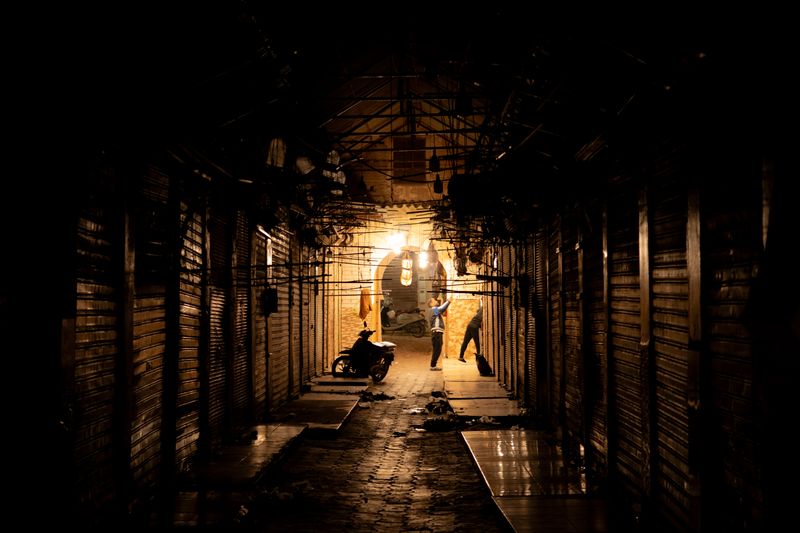
Photo by Nicola Toscan on Pexels
The Luggage and Alleyway Reality
One of the most common shocks for first-time visitors is the logistics of arrival. Cars cannot navigate the vast majority of the medina's alleys. Your taxi or private transfer will drop you at the nearest accessible gate or square. From there, you must walk.
Every reputable riad will arrange a porter to meet you at the drop-off point. Do not attempt to find a riad on your own with rolling luggage. Google Maps is notoriously unreliable in the medina, often directing you down dead ends or covered passages that lose GPS signal. The alleys can be intimidating at night, poorly lit and winding. A good riad provides a sense of security, often sending a staff member to walk you back if you have been out for dinner late in the evening.
The Winter Chill and Summer Heat
Marrakech has a desert climate, which means extreme temperature swings. If you are travelling between December and February, you must be aware that traditional riads were built to stay cool in the summer, not warm in the winter.
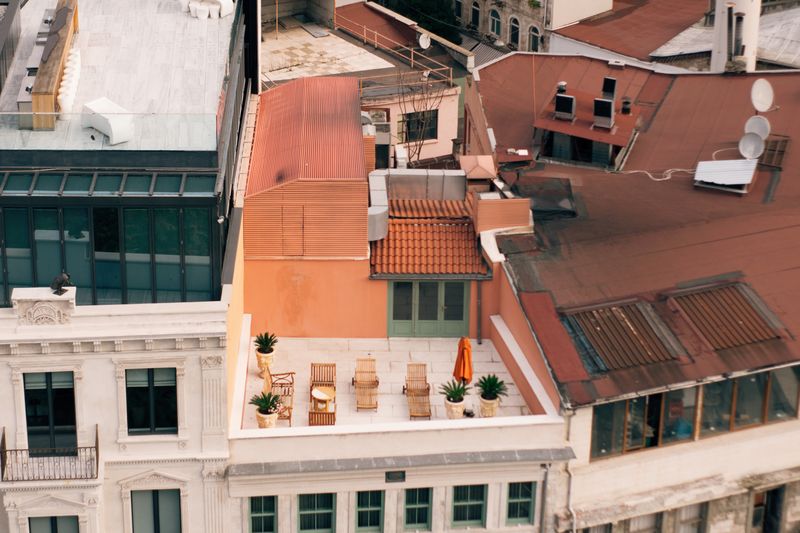
The thick tadelakt walls hold the cold. Many courtyards are open to the sky, meaning the internal corridors of the house are exposed to the elements. I have stayed in beautiful, expensive riads in January where I had to wear a cashmere sweater to breakfast. When booking a winter stay, you must explicitly confirm that your specific room has effective reverse-cycle air conditioning or a working fireplace. A small space heater will not suffice.
Conversely, in July and August, the medina becomes a furnace. The plunge pools in riad courtyards, which look so inviting in photographs, are often too small to provide real relief and can feel humid in the enclosed space.
When to Skip the Medina Entirely
There is a persistent myth that you must stay in the medina to experience the "real" Marrakech. This is simply not true. Depending on the length of your trip and your tolerance for sensory overload, you might be better served staying outside the walls.
If you are staying for more than four nights, the intensity of the medina can become exhausting. The constant negotiation, the noise of the mopeds, and the sheer volume of humanity take a toll. In these cases, I often recommend splitting your time, or basing yourself in the Palmeraie.
The Palmeraie is a sprawling palm oasis about twenty minutes by car from the medina. Here, you will find sprawling luxury resorts with massive swimming pools, manicured gardens, and absolute silence. You can easily take a taxi into the medina for a morning of shopping or an evening dinner, and then retreat to the quiet of the Palmeraie.
Alternatively, the Agafay Desert, roughly an hour outside the city, offers luxury tented camps. It is a stony desert rather than rolling sand dunes, but it provides a stark, beautiful contrast to the claustrophobia of the city alleys.
Comparing the Options
To help clarify the choices, here is a breakdown of the primary areas to consider when booking your stay.
| Neighbourhood / Area | Best For | Vibe | Approximate Nightly Rate (USD) |
|---|---|---|---|
| Dar el Bacha | Refined luxury, antiques, high design | Polished, secure, sophisticated | $350 - $800+ |
| Mouassine | Shopping, cafes, central location | Busy, gentrified, convenient | $200 - $500 |
| The Kasbah | Space, quieter streets, larger riads | Residential, calm, historic | $150 - $400 |
| The Palmeraie | Resort amenities, large pools, silence | Expansive, isolated, relaxing | $400 - $1,200+ |
Practicalities: When to Go and How Long to Stay
The ideal times to visit Marrakech are mid-March to May, and late September to November. During these windows, the days are warm enough for short sleeves, and the evenings require only a light jacket.
For a first-time visitor, three to four nights is the optimal duration for a city break. This allows enough time to explore the souks, visit the Majorelle Garden, take a cooking class, and spend at least one afternoon doing absolutely nothing in your riad's courtyard. Any longer, and you should consider adding a few nights in the Atlas Mountains or the Palmeraie to break up the pace.
Getting there is straightforward from Europe, with numerous direct flights into Marrakech Menara Airport (RAK). The airport is modern and only about a fifteen-minute drive from the medina. Always arrange an airport transfer through your riad in advance. The local airport taxis require aggressive haggling, which is the last thing you want to do after a flight.
What I Would Skip
I would skip booking a riad solely based on its Instagram presence. There is a specific aesthetic—usually involving a tiled plunge pool scattered with rose petals—that dominates social media. Often, these highly photographed riads invest heavily in visual marketing but neglect the fundamentals of hospitality: comfortable mattresses, soundproofing, and attentive service.
I would also skip eating dinner at your riad every night. While most offer excellent home-cooked Moroccan food, the medina has a rapidly evolving restaurant scene that deserves your attention. Finally, skip the temptation to pack your itinerary. The joy of the best luxury riads marrakech medina is found in the slow mornings, drinking coffee on the rooftop terrace while listening to the call to prayer echo across the city.
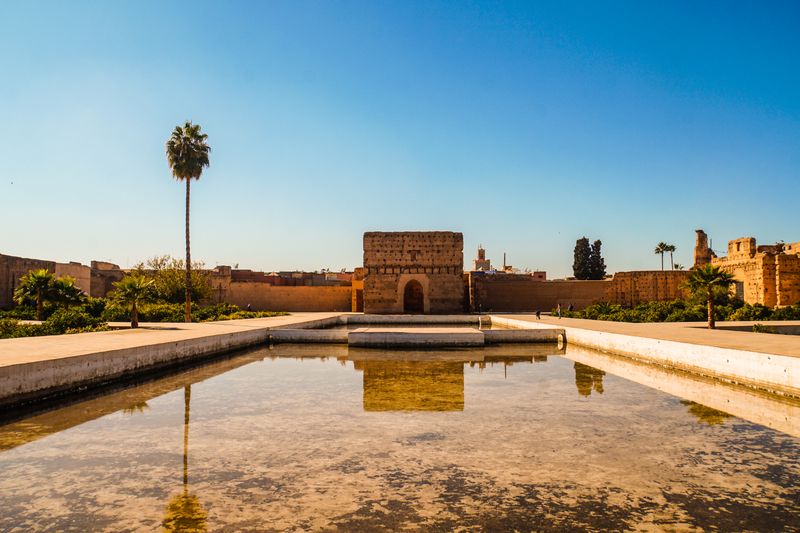
Photo by Domenico Bertazzo on Pexels
The Final Verdict
If you are visiting Marrakech for the first time and want the quintessential experience without sacrificing comfort, I recommend booking a riad in the Dar el Bacha neighbourhood. The balance of accessibility, security, and high-end design is unmatched in the medina.
Specifically, look for a property with fewer than ten rooms, a rooftop terrace with unobstructed views of the Koutoubia Mosque, and a courtyard that prioritises mature trees and seating areas over a tiny, impractical plunge pool. Pay the premium for a suite on the first floor rather than a standard room on the ground floor; you will get better natural light and significantly more privacy. Embrace the quirks of the architecture, accept that you will get lost in the alleys at least once, and let the rhythm of the medina dictate your days.
Questions we get asked
Before you book
- Are riads in Marrakech noisy?
- It depends entirely on the location and the architecture. Riads near major souks or mosques will have ambient noise, but a well-built riad with thick walls and a central courtyard is usually very quiet.
- Do riads have heating in winter?
- Many do not have central heating. If you are travelling between December and February, you must specifically check if your room has a reverse-cycle air conditioner or a fireplace.
- How do I get my luggage to my riad?
- Taxis cannot enter most of the medina. Your riad will usually send a porter with a handcart to meet your taxi at the nearest gate and transport your bags through the alleys.
Some links in this guide are affiliate links. If you book through them we may earn a commission at no extra cost to you — it never changes what we recommend. Read our disclosure.