

Sri Lanka rewards a mixed approach. Use the train where the landscape is the point, then switch to a car and driver when the road becomes the better way to reach the coast, the national parks or a quiet hotel.
Sri Lanka is often sold as a compact island that can be crossed in a week. It is compact on the map, but the roads and landscapes are not. The journey from the tea country to the coast is a change of temperature, pace and light, and it deserves more than a series of hurried check-ins.
The most satisfying way to travel is to combine train and car. Use the train for the section where the view is the reason for travelling, then use a private car and driver when you need to link the highlands, wildlife areas and coast with fewer compromises. The point is not to avoid roads. It is to use each form of transport for what it does best.
Choose the season before the route
Sri Lanka has more than one useful season, and the right coast depends on the monsoon pattern. Rather than starting with a fixed list of beaches, decide which side of the island is most likely to suit your dates, then build the inland route around it. This is more sensible than crossing the country to force a particular beach into the itinerary.
The hill country can be cooler and wetter than the coast, even when the beach forecast looks perfect. Pack a light layer and shoes that can cope with damp paths. The best days in the tea country are not necessarily the clearest ones; mist moving through the plantations can be part of the landscape.
The cultural triangle needs space
If this is your first visit, resist the temptation to treat the cultural triangle as a checklist. The ancient sites are spread out, and the heat can make a day of consecutive ruins less enjoyable than it looks on paper. Choose one substantial site in the morning, rest in the middle of the day and keep the afternoon for a village road, a pool or a shaded garden.
A driver is useful here because the distance between the sights is not the only consideration. A good driver can help you leave early, stop when the light is better and avoid wasting the hottest part of the day in a car. The value is not speed. It is the ability to make a sensible decision when the weather or energy changes.
Kandy is a hinge, not the whole trip
Kandy is often used as the gateway to the hills, but it is worth treating it as a transition rather than a full substitute for the highlands. The lake, temple and market can fill a day; after that, the appeal is usually in moving towards the plantations and cooler air.
Plan the train from the hill-country side with realistic expectations. Station access, luggage and availability matter. If you want the famous window view, travel in daylight and avoid taking more baggage than you can manage yourself. A seat with a view is more useful than a higher class with a perfect label if you spend the journey standing in the vestibule.
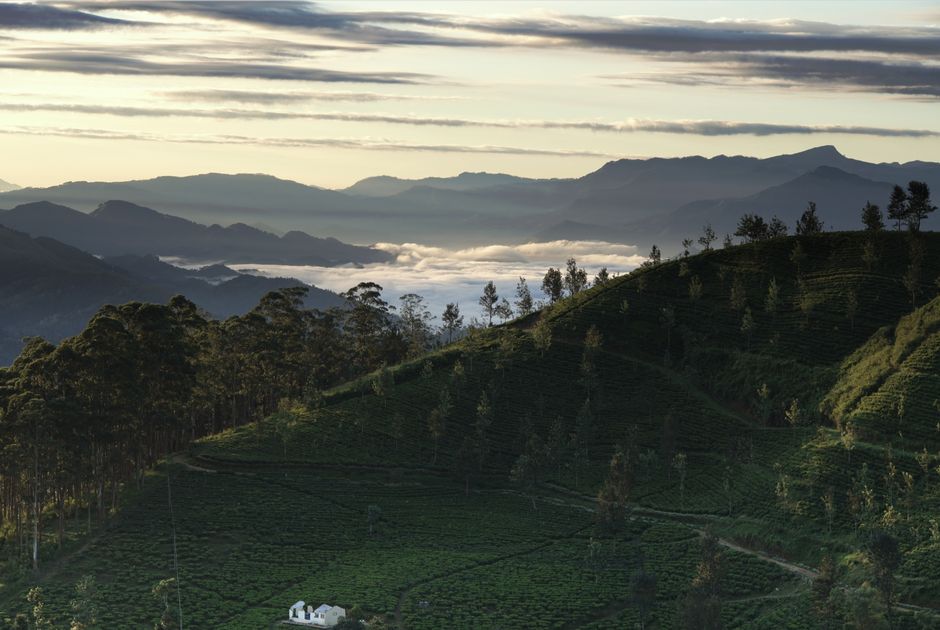
Photo by Asiri Dissanayaka on Pexels
Why the train works best in the hills
The train is memorable because the landscape keeps changing at walking speed. Tea gardens, eucalyptus, small stations and steep green valleys appear in a sequence that a car cannot reproduce. It is also the section where being slightly delayed matters least, because the journey is part of the day.
Do not build an entire itinerary around an exact train connection unless you have a generous buffer. Timetables can move, and a missed connection is more frustrating when it takes the whole plan with it. The comfortable approach is to stay at least two nights on either side of the scenic rail journey and let the train be a highlight, not a test.
A good hill-country base should make doing nothing feel like a decision rather than a failure. Look for a view, a place to eat without another long drive and access to a short walk. One extra night often improves the trip more than adding another town.
| Section | Best transport | What it gives you | What to watch |
|---|---|---|---|
| Cultural triangle | Car and driver | Early starts and flexible stops | Heat and long distances |
| Hill country | Train plus short transfers | Scenery and a slower rhythm | Luggage and timetable changes |
| Wildlife areas | Car and guided outing | Access and local knowledge | Dawn starts and seasonal conditions |
| Coast | Car, transfer or short flight | Simpler final days | Choose the coast for the season |
Use a car where flexibility matters
The road becomes more useful as you move away from the railway. A driver can take you from the hills towards a national park, stop at a tea factory or adjust the route when a road is slow. This is particularly helpful when you are carrying luggage and staying in smaller properties where public transport does not arrive conveniently.
The best road days are not the longest ones. Three to four hours of driving with two deliberate stops is enough for most travellers. If the route is longer, split it with a night rather than pretending that a full day in the car is sightseeing.
Wildlife should not be an afterthought
If you want to include wildlife, place it where it makes sense in the route and accept the early morning. A park visit is not a guaranteed catalogue of sightings, and it is better to choose a responsible operator who explains the environment than one who promises a particular animal.
The day after a safari should be deliberately light. This is another reason to use a driver: the schedule can absorb a slow morning without the whole itinerary becoming impractical. Leave room for the fact that wildlife trips are tiring, especially after several consecutive transfer days.
Arrive at the coast before you need to relax
The coast should be the exhale, not the final item on a packed list. Arrive with at least three nights if you want the hotel, sea and nearby food to become more than a backdrop. If you have only two nights, choose one address and do not plan excursions that require a full day on the road.
A beach location is not automatically the best coastal base. Consider swimming conditions, shade, restaurants and how easy it is to reach the airport or your next flight. The quietest stretch may require a longer transfer, which is worthwhile only if you stay long enough to enjoy it.
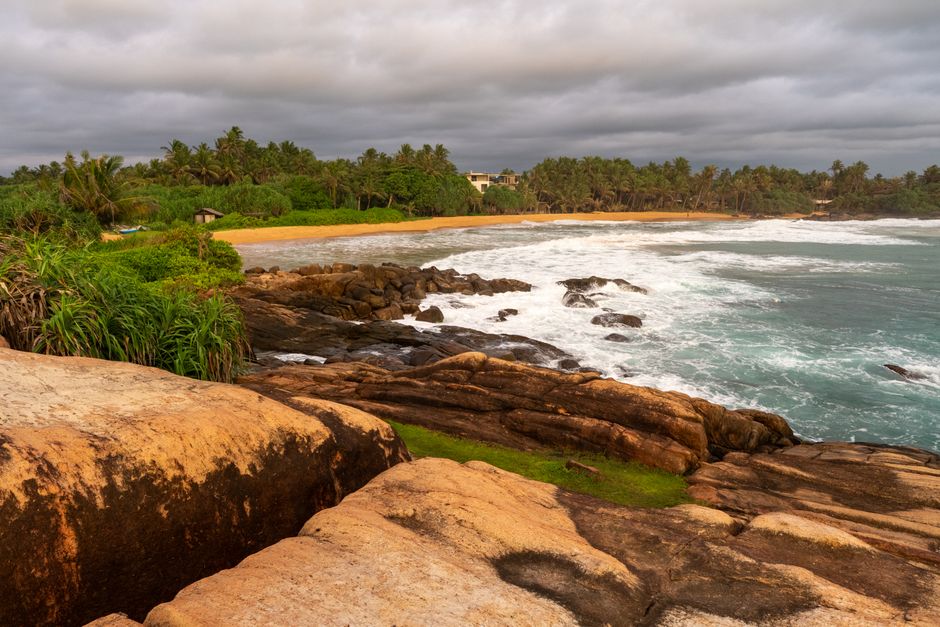
Photo by Thilina Alagiyawanna on Pexels
Food, tea and the unplanned hour
Some of the best Sri Lankan moments are not booked. They are a breakfast that takes longer than expected, a roadside fruit stop, a conversation on a station platform or the first cup of tea after a wet walk. Leave a little space for these encounters. A route that looks efficient in a spreadsheet can feel strangely empty when every hour is assigned.
Eat locally when the opportunity is good, but do not treat discomfort as proof of authenticity. A thoughtful restaurant in a small hotel can be exactly what you need after a hot day. The Fine Address test is simple: would you choose the place again tomorrow?
The fine address
Travel Sri Lanka in sections. Let the train own the hills, let the car connect the places that need flexibility and let the coast be a genuine final chapter. The island is generous, but it does not need to be conquered in one journey.
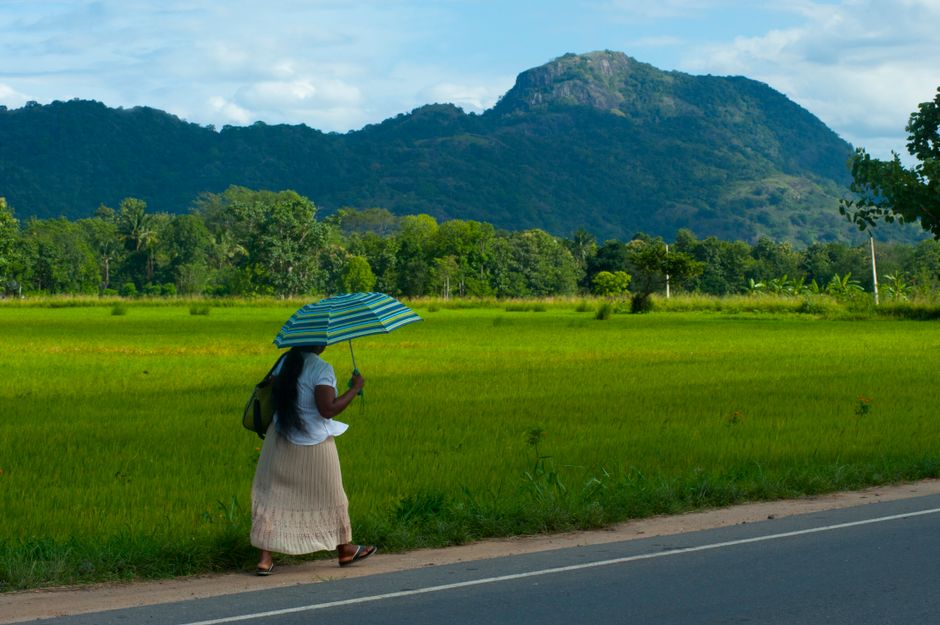
Photo by Atlantic Ambience on Pexels
Questions we get asked
Before you book
- Is the train in Sri Lanka comfortable enough for a long journey?
- The train is best understood as a scenic experience rather than a perfectly timed premium service. Choose a daytime journey, keep luggage manageable and treat the timetable as part of the adventure rather than a guarantee.
- Do I need a private driver in Sri Lanka?
- You can travel independently, but a driver is especially useful when combining the hills, wildlife areas and coast. It reduces the friction of short transfers and lets you stop for viewpoints, tea estates and small towns.
- How many nights are enough for a first visit?
- Ten to fourteen nights gives a first visit room to combine the cultural triangle, hill country and one coast without turning every day into a transfer. With less time, choose two regions rather than trying to see the whole island.
A considered conversation
Comments
Some links in this guide are affiliate links. If you book through them we may earn a commission at no extra cost to you — it never changes what we recommend. Read our disclosure.