Trade the winter crowds for wildflower meadows and grand belle-epoque terraces. Here is how to navigate the Swiss Alps in summer, from the smartest rail passes to the hotels actually worth their price tag.
I have always found the winter obsession with the Alps slightly misplaced. Unless you are a dedicated skier, the colder months often mean crowded cable cars, exorbitant room rates, and a landscape rendered entirely monochrome. But return in July, and the mountains reveal their true character. The snow retreats to the highest peaks, exposing deep green valleys, violent glacial rivers, and meadows thick with wildflowers. The air smells of pine and cold granite. More importantly, the grand dames of Swiss hospitality—those sprawling, century-old palaces built for Victorian aristocrats—open their shutters to the sun. If you are looking for luxury swiss alps summer hotels, this is the season that actually delivers on the promise of alpine romance, without the aggressive sporting culture of February.
The appeal of a summer alpine journey lies in its pace. Instead of fighting for first tracks, you are taking a funicular up a cliff for lunch on a terrace, or walking for three hours before descending by railway. It is a civilised way to interact with extreme geography.
Why Luxury Swiss Alps Summer Hotels Outshine Winter Chalets
There is a specific type of hotel that only exists in the Alps: the grand belle-epoque palace. Built in the late nineteenth and early twentieth centuries, these properties were designed for long, languid summer seasons before skiing was even invented as a leisure activity. They are characterised by vast lobbies, intricate woodwork, heavy crystal chandeliers, and dining rooms large enough to host a state banquet. They were built to accommodate the British upper classes who came for the fresh air and stayed for months at a time.
While the winter crowd often prefers modern, ski-in-ski-out chalets with minimalist aesthetics, summer is the time to embrace the heavy, historic luxury of these older properties. They offer a sense of scale and permanence that newer builds simply cannot replicate. You wake up, push open heavy wooden shutters, and step onto a wrought-iron balcony to watch the morning mist burn off the valley floor. The service in these institutions is formal, precise, and deeply traditional.
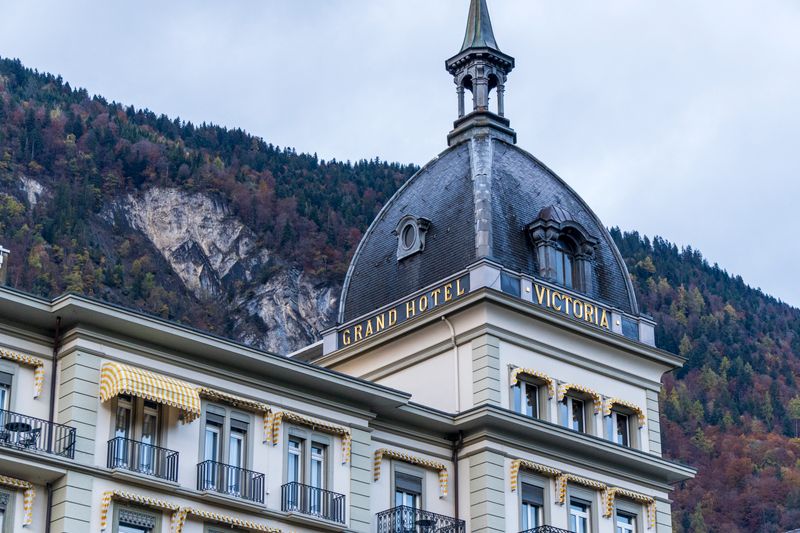
Photo by Abhishek Navlakha on Pexels
In St Moritz, Badrutt’s Palace remains the undisputed heavyweight. It is unapologetically opulent, and while it can feel slightly stiff in winter, the summer months bring a relaxed, almost playful energy to its hallowed halls. In the Jungfrau region, the Victoria-Jungfrau Grand Hotel in Interlaken serves as a massive, comfortable base camp, though I prefer the slightly faded, Wes Anderson-esque charm of the Hotel Regina in Wengen. These luxury swiss alps summer hotels are not cheap, but they are often significantly less expensive in August than they are in February, making summer the smarter time to experience them.
Choosing Your Base: Zermatt, St Moritz, Jungfrau, or Andermatt
The Swiss Alps are not a monolith. The mountains, villages, and crowd vary wildly from one valley to the next. You cannot do it all in one trip, nor should you try.
Zermatt is the most dramatic. The village sits at the end of a deep, dark valley, entirely dominated by the jagged tooth of the Matterhorn. Because it is car-free, the air is clean, though the main street can feel like a crowded outdoor shopping mall in peak season. You go to Zermatt for the sheer verticality of the landscape and the excellent, high-altitude gastronomy. The hiking here is steep and rewarding, often ending at a mountain hut serving excellent local wine and cured meats.
St Moritz, by contrast, is wide and horizontal. Set in the Engadin valley alongside a chain of deep blue lakes, it feels less claustrophobic than Zermatt. The light here is famous—sharp, clear, and seemingly constant. It attracts a quieter, older, and wealthier crowd. The hiking is gentler, often tracing the edges of the lakes or winding through ancient pine forests. It is the place to go if you want to read a book on a terrace rather than conquer a peak.
The Jungfrau region, encompassing Grindelwald, Wengen, and Mürren, is the postcard version of Switzerland. It is defined by the massive, glaciated wall of the Eiger, Mönch, and Jungfrau. Wengen and Mürren are car-free and perched on cliff edges, offering views that induce vertigo. Grindelwald is in the valley and allows cars, making it more convenient but significantly less charming. It is busy, but the infrastructure is exceptional.
Andermatt is the outlier. For decades, it was a sleepy, slightly grim military town. Recently, it has seen massive investment, spearheaded by the arrival of The Chedi, a hotel that successfully blends alpine architecture with Asian minimalism. Andermatt sits at the crossroads of several major mountain passes, making it an excellent base if you want to rent a car and drive the dramatic, twisting roads of the Furka and Susten passes.
| Destination | Best For | The Vibe | Approximate Nightly Rate (Summer) |
|---|---|---|---|
| Zermatt | Dramatic views, high-altitude dining | Vertical, bustling, iconic | $600 - $1,200 |
| St Moritz | Lake walks, old-world glamour | Expansive, quiet, wealthy | $700 - $1,500 |
| Jungfrau Region | Classic alpine scenery, train networks | Postcard-perfect, busy | $400 - $800 |
| Andermatt | Driving passes, modern luxury | Developing, strategic, stark | $500 - $1,000 |
Navigating the Mountain Railways
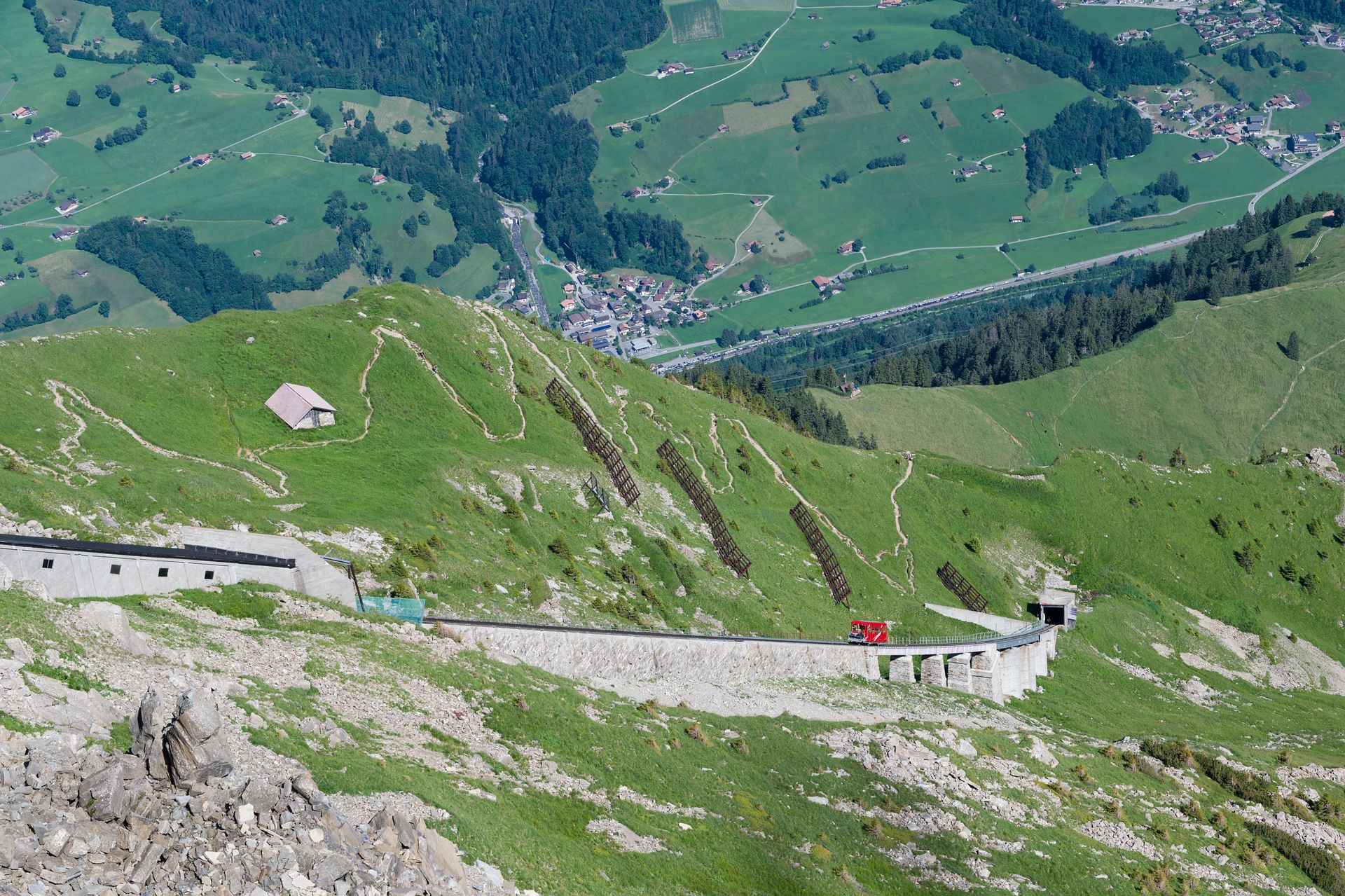
You do not need a car in Switzerland. In fact, having one is often a liability, especially since many of the best villages are entirely car-free. The Swiss rail network is a marvel of engineering and punctuality, and it is the only way to reach many of the most spectacular locations.
The system is divided between intercity trains linking hubs like Zurich, Geneva, and Interlaken, and mountain railways: narrow-gauge trains, funiculars, and cable cars that climb improbable gradients.
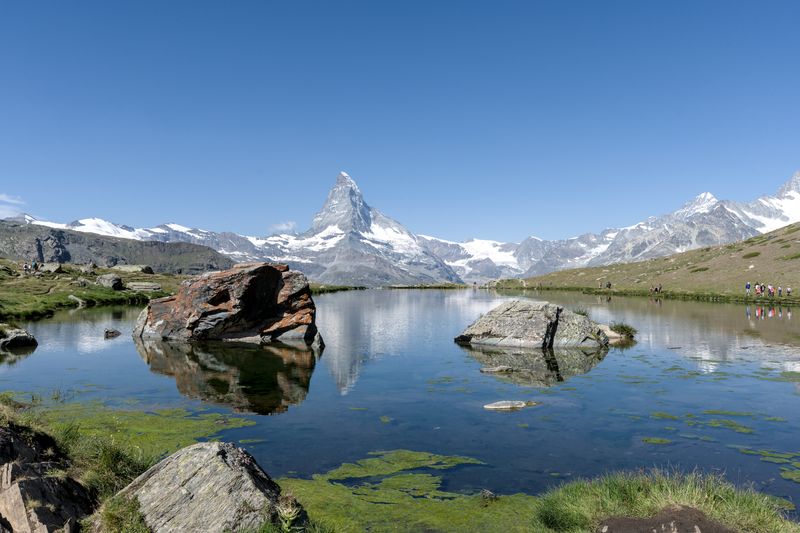
Photo by Jean-Paul Wettstein on Pexels
If you are staying for more than a few days and plan to move around, you must buy a Swiss Travel Pass. It is a painful upfront cost, but it covers all standard trains, buses, and boats across the country. More importantly, it gives you a 50% discount on most mountain railways and cable cars. Without it, a single return trip up a mountain can easily cost over $100 per person. The pass removes the friction of buying tickets; you simply walk onto the train and show the conductor your phone.
The Glacier Express and Bernina Express are beautiful, but they require seat reservations months ahead. If you miss out, take regional trains along the same tracks. You will change more often, but the views are the same and the carriages feel far less theatrical.
The Reality of Alpine Weather
You must be honest with yourself about the weather. The Alps generate their own climate, and it is entirely unpredictable. You can wake up to a cloudless, brilliant blue sky, and by two in the afternoon, be caught in a violent, terrifying thunderstorm that shakes the windows of your hotel.
Do not look at the weather forecast a week in advance; it is fiction. Look at it the night before, and even then, treat it as a suggestion. You must pack layers. A high-quality waterproof shell is non-negotiable, even in August. The temperature drops roughly one degree Celsius for every 100 metres of elevation gained. It might be 25 degrees in the valley and near freezing at the top of the cable car.
This variability is part of the appeal. The mountains look best when the weather is slightly broken—when clouds are tearing themselves apart on the jagged peaks and shafts of sunlight are hitting the valley floor. A week of unbroken sunshine is actually quite boring photographically, and the heat in the valleys can become oppressive.
What I Would Skip
Not everything in Switzerland is worth your time or money. I would actively avoid the Jungfraujoch. Marketed relentlessly as the "Top of Europe," it is an incredibly expensive, crowded train ride mostly inside a dark tunnel, depositing you at a complex that feels like a high-altitude shopping mall. The views are often obscured by cloud, and the altitude sickness is real. Spend that money instead on a private guide or a spectacular lunch on a quieter mountain.
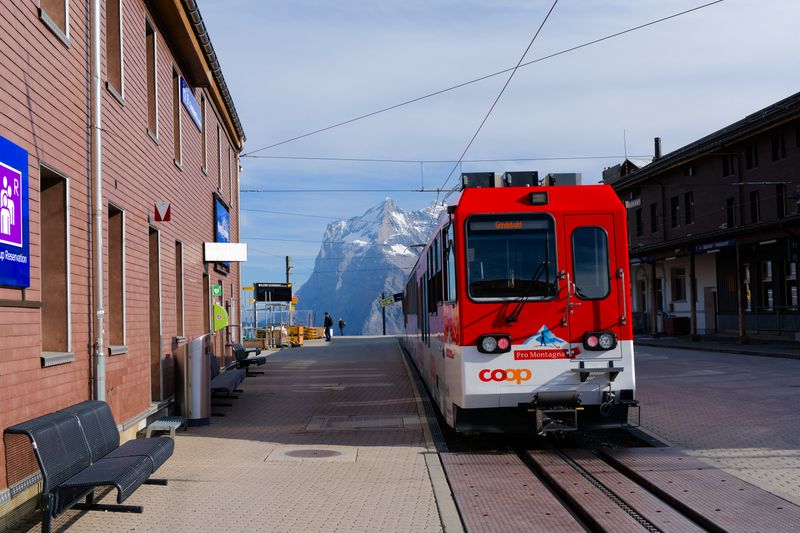
Photo by Jean-Paul Wettstein on Pexels
I would also skip staying in Interlaken. While it is a useful transport hub, it lacks any real alpine charm. It is a flat town filled with souvenir shops and coach tours. Go slightly further up the mountain to Wengen or Mürren; the extra thirty minutes of travel time buys you an entirely different world. Finally, avoid eating fondue in the middle of the day in July. It is a heavy, winter dish designed for sub-zero temperatures. Eating it in the summer heat is a mistake you will feel for the rest of the afternoon. Stick to lighter, seasonal dishes or a simple plate of local air-dried beef and alpine cheese.
Logistics: When to Go and How to Get There
The summer season is surprisingly short. Many of the higher cable cars and mountain huts do not open until late June, as they wait for the last of the winter snow to melt. By late September, things are already shutting down, and the high passes begin to close.
The optimal window is from mid-July to early September. August is busiest but guarantees open lifts and mostly snow-free trails. In the first half of September, crowds thin and the light softens, though you risk early snow higher up. I would give this trip at least seven nights, and ideally ten, so the trains feel part of the holiday rather than an obstacle.
Getting there is straightforward. Fly into Zurich or Geneva. Both airports have train stations directly underneath the terminals. You can collect your luggage, walk downstairs, and be on a train heading towards the mountains within thirty minutes. The journey from Zurich to Zermatt takes roughly three and a half hours; to St Moritz, it is about three hours. The trains are clean, quiet, and restful. They are the perfect decompression chamber between the airport and the mountains.
The Final Verdict
If I were booking a trip right now, I would split ten days between two distinct regions to understand the contrast. I would start in the Jungfrau region, basing myself at a historic hotel in Wengen. I would spend three days walking the trails beneath the Eiger, taking the early morning trains before the crowds arrive, and eating lunch at small mountain dairies that serve cheese made on-site.
Then, I would take the train south, winding through the Lötschberg tunnel and up the Mattertal valley to Zermatt. I would check into the Mont Cervin Palace, another grand dame that understands exactly how to deliver old-world service without feeling stuffy. I would spend the remaining days taking the Gornergrat railway, hiking the Five Lakes trail, and staring at the Matterhorn, which never actually gets boring, no matter how many times you have seen it in photographs.
Summer in the Alps requires more planning than a beach holiday. You have to understand train timetables, watch the weather, and accept that a cable car ride may cost as much as dinner. Still, if you want the Alps without the ski circus, I would book Wengen and Zermatt in late August, travel by rail, and spend my money on a grand old hotel rather than another lift pass. It is Switzerland at its best.
Questions we get asked
Before you book
- Is the Swiss Travel Pass worth it in summer?
- Yes, if you plan to move between regions or take multiple mountain trains. It covers all intercity trains, boats, and buses, and offers a 50% discount on most high-altitude cable cars, which quickly pays for itself.
- Which is better in summer: Zermatt or St Moritz?
- Zermatt offers superior dramatic scenery and immediate access to high-altitude hiking beneath the Matterhorn. St Moritz is better for lake activities, wider valleys, and a quieter, more old-world atmosphere.
- Do I need to book mountain trains in advance?
- Standard intercity trains do not require reservations. However, panoramic tourist routes like the Glacier Express and Bernina Express mandate seat reservations months in advance, especially in July and August.
Some links in this guide are affiliate links. If you book through them we may earn a commission at no extra cost to you — it never changes what we recommend. Read our disclosure.