Switzerland’s autumn season now rewards travellers who choose timing over checklist tourism. This guide explains when to go, why the Lucerne–Lugano lake-and-rail route is the standout, and how to avoid the maintenance-season mistakes that can derail an Alpine trip.
The decision is not whether Switzerland is beautiful in autumn. It plainly is. The real question is whether you want the reliable, fully operational Alpine machine of summer, or a quieter trip with a little more weather risk and a great deal more texture.
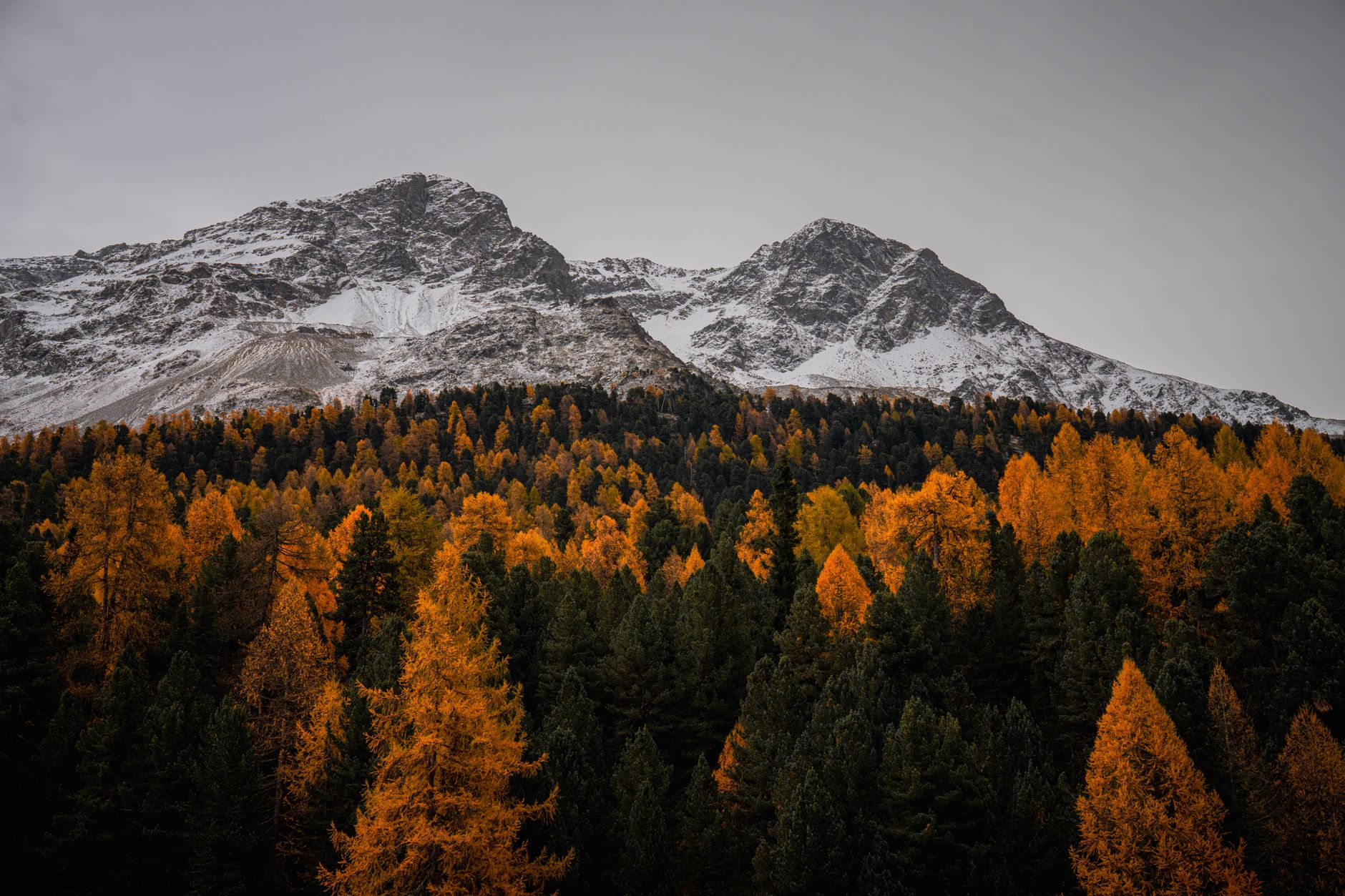
For most first-time visitors, September is the easy answer: mountain railways are still broadly running, lakes are pleasant rather than merely photogenic, and you can hike without competing with school-holiday traffic. The first half of October is the better answer for people who value atmosphere over certainty: vineyards are active, larch colour begins to gather in Graubünden, and the air has the sharpness that makes long views feel earned. After that, Switzerland enters its annual awkward interval: summer lifts close for maintenance before winter operations begin.
That distinction matters more than the usual “shoulder season” language suggests. Autumn demand is no longer an insider trick. European Travel Commission research found 81% of Europeans intended to travel between June and November 2026, while industry reporting has described September sales as potentially outpacing August. The broader shift towards cooler climates, less crowding and journey-led holidays is real; it simply means you should reserve good small hotels and key panoramic services rather than assuming autumn means empty Switzerland. (etc-corporate.org)
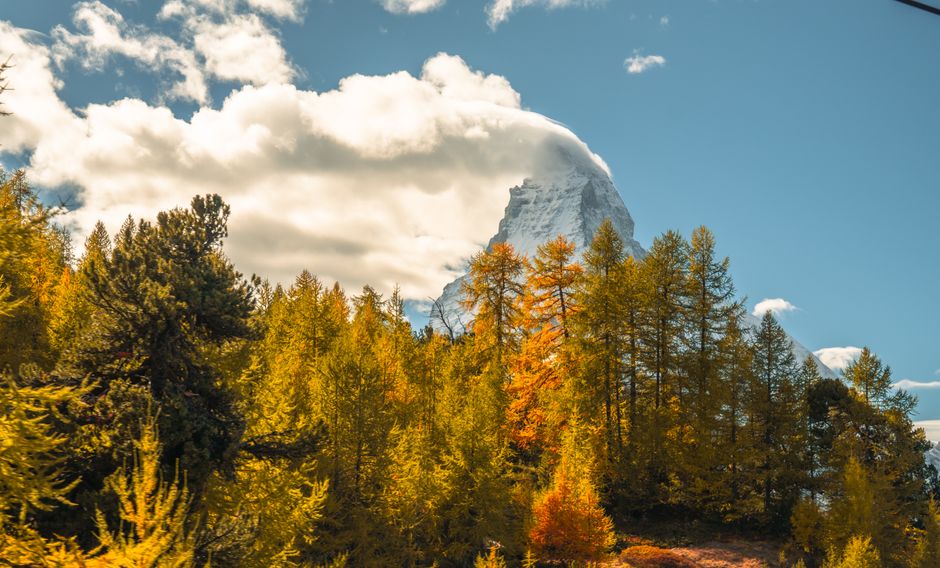
Photo by Oskar Gross on Pexels
Why switzerland autumn travel is gaining ground
The appeal is practical before it is poetic. Summer heat has made a cool Alpine itinerary feel sensible rather than austere, while rail travel has become part of the holiday rather than an endurance test between airports. Switzerland is unusually well suited to that recalibration: public transport joins lakes, valley towns and high trails with very little planning friction. SBB’s current panorama programme still frames the country through multi-day rail journeys, while the Swiss Travel Pass covers ordinary trains, buses and boats, though scenic services can require separate seat reservations or supplements. (sbb.ch)
Autumn also corrects a common Swiss mistake: trying to see too much. In July, people rush Zurich–Lucerne–Interlaken–Zermatt–St Moritz in six nights, spending their holiday hauling cases between postcard views. In September or October, I would choose two bases and one deliberate crossing of the country. You get better meals, more forgiving weather decisions and enough time to notice the difference between a clear morning at 1,500 metres and an afternoon wrapped in cloud.
There is a trade-off. The days shorten, especially later in October; the first snow can make higher footpaths unsuitable; and a lift advertised in a glossy summer itinerary may be closed on the one day you arrive. Switzerland Tourism rightly promotes autumn hiking above the low-lying fog, but that is not a guarantee that every summit route is open or sensible. (myswitzerland.com)
Pick your week carefully: September versus October
Go from 10 to 30 September if this is your first Swiss autumn trip, you want a high proportion of mountain days, or you have only five to seven nights. The summer network is still doing its job, restaurants in resort villages are open, and lake routes remain useful transport rather than a shortened sightseeing novelty.
Go from 1 to 18 October if you can accept a little improvisation in exchange for richer colour and fewer day-trippers. This is the sweet spot for the route below, because the Gotthard Panorama Express operates daily in 2026 from 18 April to 18 October. It combines a Lake Lucerne boat journey with the historic Gotthard rail route to Bellinzona and Lugano: a genuinely coherent day, not a marketing-engineered “experience”. (sbb.ch)
Avoid building an itinerary around late October and November unless you actively enjoy low-season towns, museums, spas and long lunches. The Jungfrau region illustrates the problem: in 2026, the Grindelwald–Kleine Scheidegg line closes from 26 October to 6 November, the Wengen–Kleine Scheidegg line from 9 November to 4 December, and the Eiger Express has a November maintenance break. Other mountain railways have their own shutdowns. Check the operator’s live status page before you commit, not a blog written last season. (swissrailways.com)
The rail-and-lake route worth giving a full day
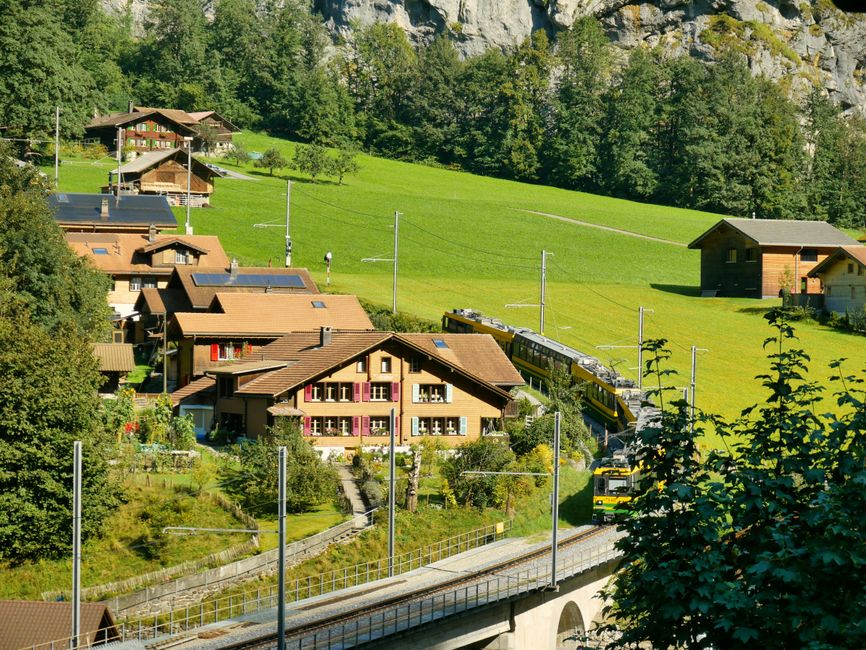
Lucerne to Lugano via the Gotthard Panorama Express is the autumn journey I would choose over a frantic Interlaken tick-list. It has a narrative: lake city, narrow central Swiss waterway, the old mountain railway’s spirals and tunnels, then palms and Italian-speaking Ticino. You begin at Lucerne, travel by boat across Lake Lucerne to Flüelen, continue by panoramic train to Bellinzona, and finish in Lugano. The published route is Lucerne–Flüelen–Bellinzona–Lugano. (sbb.ch)
Give it the whole day and reserve a seat. Do not try to add Pilatus or Rigi beforehand; that is how a handsome journey turns into a sequence of platform sprints. Have coffee in Lucerne, take the boat with a jacket rather than an expectation of deck-chair weather, and plan to sleep in Lugano or nearby Morcote. The shift from German-speaking central Switzerland to Ticino is precisely the point.
It is not the cheapest way across the country, and it is not the fastest. The regular Gotthard Base Tunnel route exists for speed. But speed is not why you travel in autumn. The panorama service’s compulsory reservation is money well spent because it protects the day from the small frictions that ruin scenic rail: standing, uncertain connections and a bad seat on a route you chose specifically to look out of the window. SBB confirms that the service combines boat and train and that reservations are required in addition to the relevant ticket or pass. (sbb.ch)
Where to stay, and where not to linger
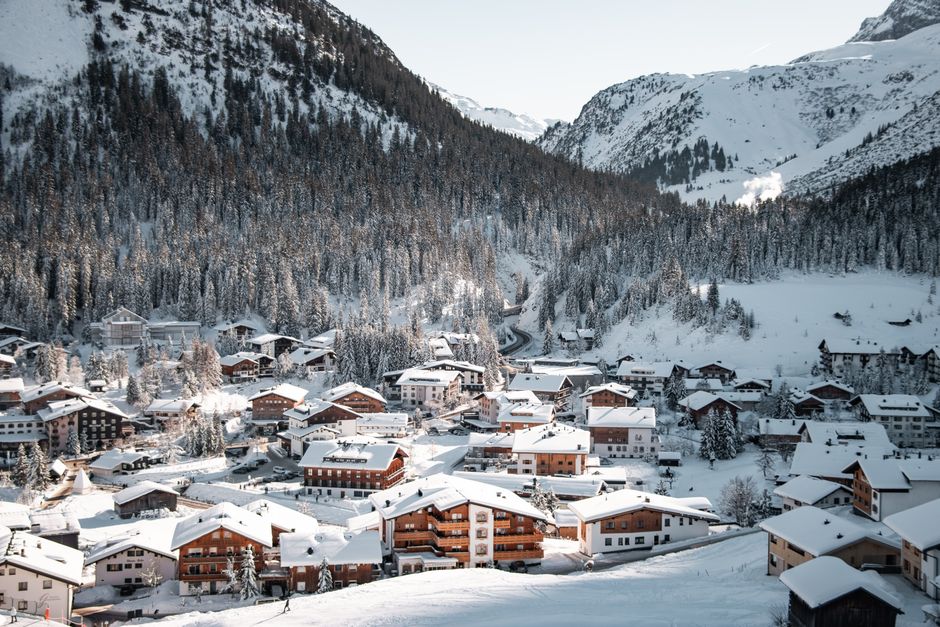
Use Lucerne for two or three nights. It is a polished base, yes, but an exceptionally functional one: direct airport links via Zurich, Lake Lucerne at the doorstep, serious dining, and enough wet-weather options that a bad mountain forecast does not wreck the plan. Stay close to the old town or the station, not in an isolated lakeside resort that forces a taxi whenever conditions change.
Then choose one contrast. Lugano works if you want the lake-and-rail journey to end somewhere softer: arcaded streets, late-season dining outside when the weather permits, and easy day trips into the valleys. Pontresina or Sils works if your real priority is golden larch and walking in the Engadin; get there by rail via Chur rather than attempting to force it into the Lucerne–Lugano route. Zermatt is magnificent but, in this season, too often treated as an obligatory logo rather than a place to spend time.
Skip an overnight in Interlaken unless you are using it as a practical launch point for the Jungfrau region. The town is efficient rather than lovely, and autumn gives you permission to choose places with more character.
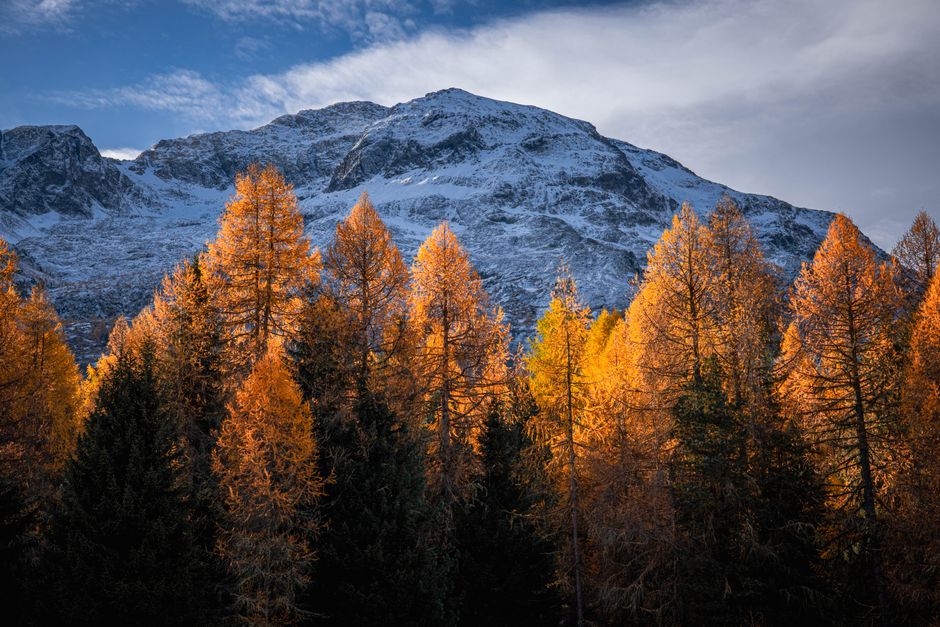
Photo by Oskar Gross on Pexels
The private experience that earns its price
Spend on one weather-flexible private guide in the Engadin or Ticino, not on a private transfer between well-connected cities. A guide earns the fee when they can read conditions, choose a trail suited to wet leaves or early snow, arrange a credible local lunch, and take you beyond the obvious lift stations. That could mean a larch walk above Sils with a descent timed before the afternoon wind, or a Ticino day linking a valley walk with a small producer and Bellinzona’s old town.
Do not pay for a private “Swiss highlights” coach tour from Zurich. It usually replicates a journey public transport handles better, with less freedom to stop and more time in a vehicle. The useful form of luxury here is judgement: someone making a sound call at 8am when the cloud base is wrong for your original plan.
Choose the trip shape that suits your tolerance for uncertainty
| If you care most about | Best timing | Base plan | The compromise |
|---|---|---|---|
| Reliable lifts and long hikes | Mid to late September | Lucerne + Jungfrau region | More visitors and greener, less autumnal landscapes |
| Rail, lakes and a clear seasonal shift | 1–18 October | Lucerne + Lugano via Gotthard Panorama Express | You must reserve and work around the service’s end date |
| Larch colour and quiet trails | Early to mid-October | Pontresina or Sils + Lucerne | Higher routes can be cold, snowy or closed at short notice |
| Food, wine and low-pressure days | Mid-October onwards | Lugano or Montreux/Lavaux | Mountain infrastructure becomes increasingly unreliable |
What to skip before winter operations begin
Skip the idea that every famous summit needs to be visited. Jungfraujoch remains open year-round apart from maintenance work, but it is an expensive, heavily managed high-altitude attraction. Take it if the glacier setting genuinely matters to you and the forecast is clear. Do not take it merely because an itinerary template says you should. The quieter Schynige Platte or a well-timed walk from Mürren can be more rewarding in early autumn, but both are seasonal and dates matter. In 2026, Schynige Platte runs until 25 October. (swissrailways.com)
Skip Pilatus as a rigid plan in late autumn. It is close to Lucerne and the views can be superb, but mountain weather does not care that you have a timed ticket. Keep it as a fair-weather option, and use Rigi or the city itself as the more forgiving alternative. Rigi publishes planned operating breaks and makes clear that individual cableways and hotels can pause at different times, which is exactly why travellers should verify each component rather than assume “Rigi is open”. (rigi.ch)
Skip driving the entire trip. Cars are useful in Ticino, the Valais wine country and certain Engadin side valleys. They are not useful in central Zurich, Lucerne, Zermatt or on the main rail corridor. Parking, one-way fees and the mental load of mountain roads buy you very little where the train is frequent and scenic.
Booking rules that will save the trip
Book hotels early, particularly for Friday and Saturday nights in Lucerne, Lugano and small Engadin villages. Autumn is not cheap Switzerland; it is less irrationally pressured Switzerland. Demand data for 2026 points to continued European growth in both passenger traffic and hotel occupancy, with average daily room rates also rising, so waiting for a dramatic shoulder-season bargain is not a strategy. (amadeus.com)
For transport, decide whether you will make enough long journeys for a Swiss Travel Pass or whether point-to-point tickets plus a Half Fare Card suit you better. The pass can cover trains, buses and boats, including panoramic routes, but it does not erase mandatory scenic-train reservations; mountain railways vary between inclusion and discounts. For a compact Lucerne–Lugano trip with one or two mountain days, calculate rather than assume. (swissrailways.com)
Finally, leave one day uncommitted. Autumn Switzerland rewards the traveller who wakes early, checks the operator status and forecast, then heads for the clearer side of the mountains. It is less theatrical than chasing every summit and far more likely to give you the trip you came for.
Photo by Oskar Gross on Pexels
The verdict
Switzerland in autumn is worth booking if you are prepared to travel deliberately: September for range, early October for mood, and late October only with a low-altitude Plan B. Take the Lucerne–Lugano lake-and-rail crossing, choose two proper bases, spend privately only where local judgement changes the day, and refuse to let a closed cable car dictate the whole holiday.
Questions we get asked
Before you book
- What is the best month for Switzerland autumn travel?
- For the best balance of settled operations, comfortable walking conditions and manageable crowds, aim for 10–30 September. Choose 1–18 October if autumn colour, quieter towns and the Gotthard Panorama Express matter more than having every mountain lift available.
- Is the Gotthard Panorama Express worth it in autumn?
- Yes, provided you travel by 18 October in 2026, when the daily service ends for the season. It is slower than the base-tunnel route, but the Lake Lucerne boat section and historic Gotthard rail journey make it a far better use of a travel day.
- Should I hire a car for a Swiss autumn itinerary?
- Not usually. Use trains between Zurich, Lucerne, Interlaken and the principal Alpine resorts, where they are easier and often more scenic. A short car hire becomes worthwhile only for rural Ticino, the Valais vineyards or side valleys where you want independent trailhead access.
- How do I avoid closed mountain railways in October?
- Check the specific operator, route and date before booking accommodation around it. Autumn maintenance periods vary by line, and a summit may be reachable while the most convenient cable car, hotel or connecting railway is closed.
A considered conversation
Comments
Some links in this guide are affiliate links. If you book through them we may earn a commission at no extra cost to you — it never changes what we recommend. Read our disclosure.