An eight-day European trip can feel longer than a fortnight if you stop treating travel as a checklist. This is the slower route: fewer bases, better trains, one blank day and a reason to be present.
Most holidays are over before the body understands that it has left home. You spend the first day getting there, the middle days catching up with the itinerary and the last day checking the time. Then Monday arrives with the unsettling feeling that you went somewhere without ever quite arriving.
There is another way to travel through Europe: build an eight-day trip around the feeling of time rather than the number of places. Use trains instead of airports where the route makes sense. Stay long enough for a neighbourhood to become familiar. Choose one or two quieter places that still have a life when the cameras leave. Let the journey carry part of the experience.
I think of it as a micro-retirement. Not a sabbatical, not a wellness programme and not an excuse to spend three thousand euros on a linen shirt. It is a short, deliberate interruption to ordinary life: long enough to change your rhythm, short enough to fit around a job, family or a calendar that refuses to become less demanding.
Why this kind of trip is having a moment
Explore Worldwide’s 2026 travel-trends report describes a rise in “micro-retirements”: travellers taking longer, more ambitious trips earlier in life rather than postponing every meaningful journey until traditional retirement. The company says bookings of more than eight days have grown 19% year on year.
The same report says Explore has seen a 25% year-on-year increase in rail-journey bookings, with a 77% increase over the preceding 12 weeks. Those figures come from one travel company, not the whole world, but they point towards a feeling many travellers already recognise: people want more from a trip than a quick change of scenery.
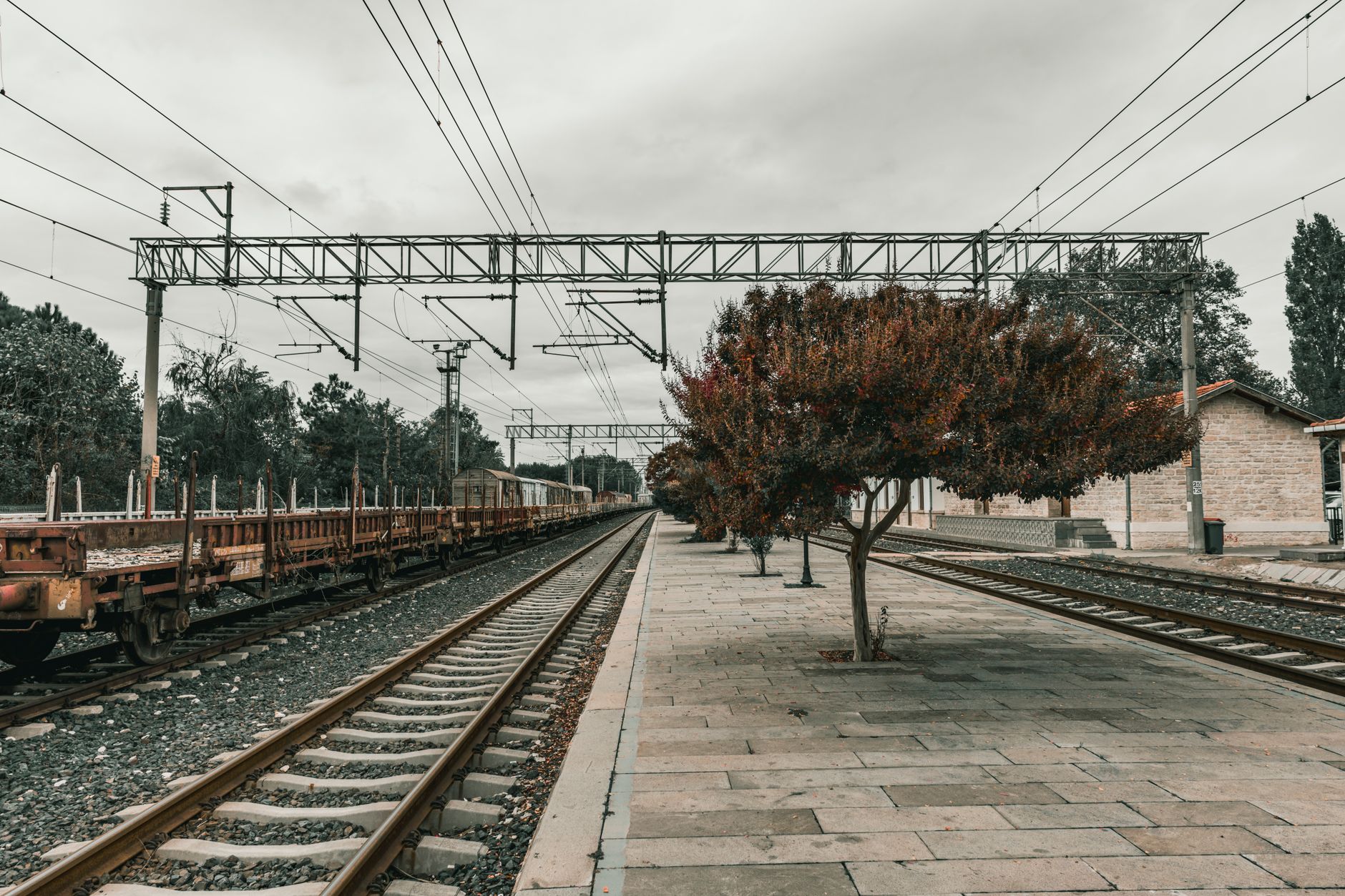
The appeal is not only environmental. Rail can be part of the holiday. A city-centre departure, a view that changes slowly and a proper arrival can make an eight-day journey feel more generous than a longer trip built around airport queues and internal flights.
The rule: three addresses, not seven
The fastest way to ruin a short trip is to confuse movement with discovery. For eight days, choose no more than three bases. Two is often better.
A strong structure looks like this:
- Days 1–3: a city with enough culture, food and neighbourhood life to reward walking.
- Days 4–6: a slower landscape reached by train, such as a lake, mountain town, vineyard region or coastal city.
- Days 7–8: one final base near your departure route, with no ambitious plans.
The last base is not wasted time. It protects the return journey and gives the trip a proper ending. You are more likely to remember a final morning coffee beside an unfamiliar station than another attraction squeezed between two transfers.
Choose the places by contrast, not by fame. A dense city followed by an open landscape feels more restorative than three famous cities that all demand the same energy. A major gateway paired with a smaller town can give you both ease and discovery.
A sample route that lets the train do the work
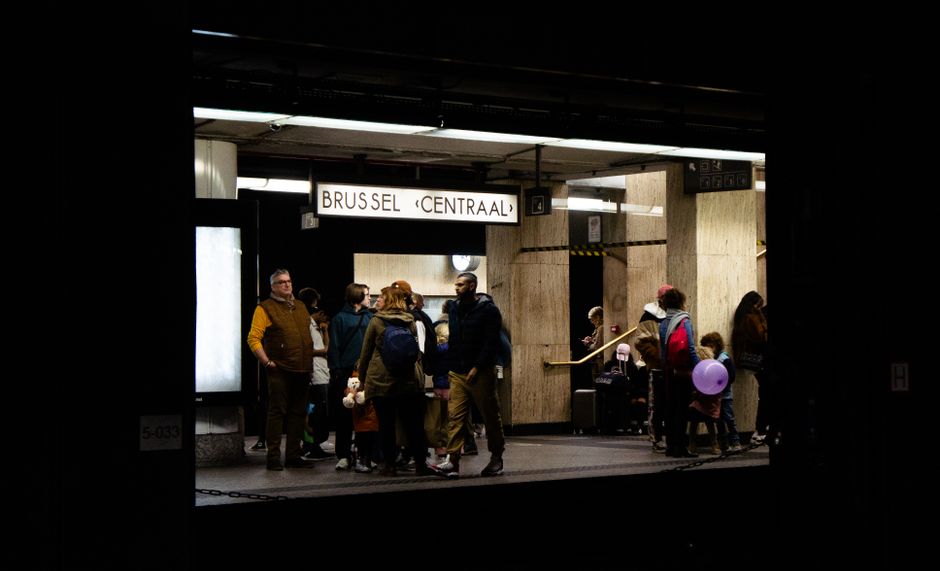
Start with a city that is easy to reach by rail from your home region. Brussels, Paris, Berlin, Milan, Vienna and Prague all work as anchors because they are connected to wider networks and offer enough to do when the weather changes.
Then add one slower section. From Brussels, a night train can connect towards Prague or Milan on selected days, according to the operator’s live timetable. From Paris, European Sleeper operates an overnight Paris–Berlin service. From Milan, daytime rail opens the Italian lakes, Verona, Bologna and the Alpine corridor.
The exact route should follow your starting point and the current calendar. The principle matters more than the map: use an overnight train when it genuinely replaces a hotel night and a lost day, then travel by day when the landscape is worth seeing.
Do not build an elaborate loop simply because a rail pass makes it possible. A good micro-retirement has one clear direction. You should be able to say what the trip is about in one sentence: “We are going from a city to the lakes,” or “We are following the mountains north.”
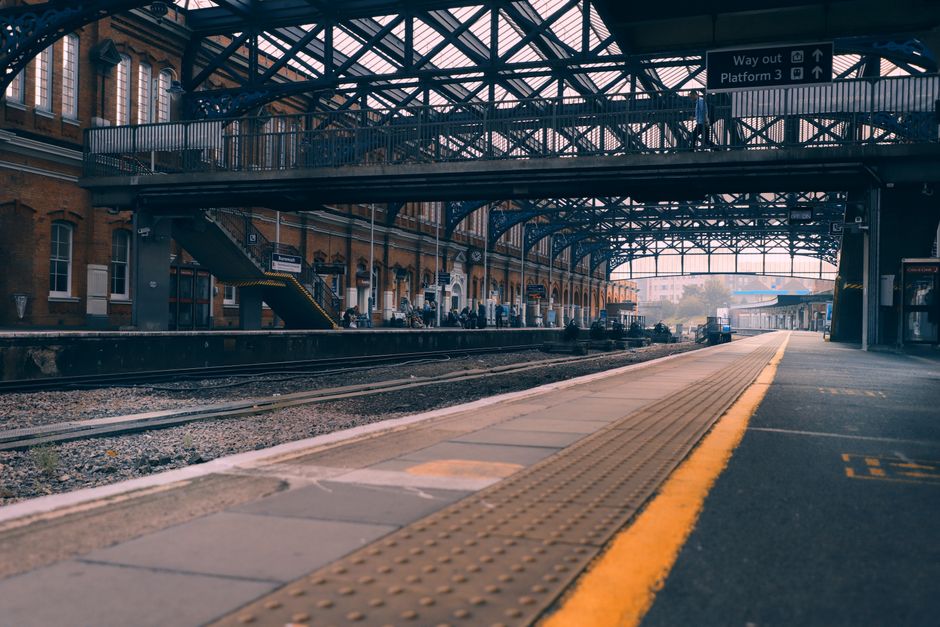
Photo by Raj photography on Pexels
What makes eight days feel longer
Time expands when you stop resetting yourself. Every new hotel, language, transport system and restaurant decision takes a small amount of energy. Staying three nights in one place gives you the luxury of a second attempt.
On the first day, you find the neighbourhood. On the second, you understand it. On the third, you return somewhere because you want to, not because a guidebook told you to. That is when a trip starts to feel like a life you briefly borrowed.
Use the following test before adding another stop: will this new place give the trip a genuinely different rhythm, or will it simply provide another hotel check-in? If it is the second, stay where you are.
| Short-trip choice | The rushed version | The time-rich version |
|---|---|---|
| Destinations | Four or five | Two or three |
| Transport | Flights and transfers | One clear rail direction |
| Mornings | Scheduled attractions | A walk and a proper breakfast |
| Hotels | Chosen by price or points | Chosen by neighbourhood and ease |
| Memories | Landmarks collected | Places revisited by choice |
Book the journey around energy, not just price
A cheap ticket can be expensive in attention. A dawn flight may save money and cost the first day. An airport hotel may be technically convenient and emotionally empty. A late arrival followed by a three-hour transfer can make the destination feel disappointing before you have seen it.
Price the whole journey: transport, baggage, airport transfers, meals, taxis, the hotel night required by an awkward flight, and the cost of the day you lose. Then compare that with a city-centre train or overnight service.
Night trains are not always cheaper than flying, and they are not always more comfortable. The reason to choose one is that it can combine movement and accommodation, giving you a sense of progress while you sleep. Book the compartment that matches your temperament. A private compartment may be worth it for couples or light sleepers; a shared couchette can be a more social and affordable choice.
Leave a margin after every overnight journey. Do not book the most important experience of the trip for the first morning. Arrive, have breakfast, leave the bags, and let the day become clear.
The art of choosing a quieter place
“Hidden gem” has become one of travel’s least trustworthy phrases. A place is rarely hidden once it has appeared in a thousand reels. The better question is whether it has a life beyond your visit.
Look for destinations with a working market, local transport, year-round restaurants, a school run, a regional train and people who are not performing welcome for a camera. They may still be beautiful. They may even be on the internet. The difference is that the experience does not depend on being the first person to discover them.
Explore’s 2026 report points to growing interest in less familiar corners of well-loved countries, including inland Croatia, Colombia’s Coffee Triangle and northern Laos. The specific destinations are less important than the principle: travel demand is moving beyond the most filmed viewpoint.
For Europe, that might mean choosing a smaller city near a famous region rather than the famous region’s most recognisable address. It might mean staying inland, travelling in the shoulder season or taking the train one stop further than the usual itinerary.
Choose a place where your money supports more than a view. Eat in restaurants that have regulars. Book a small hotel whose staff can recommend tomorrow’s walk. Buy something you will use at home rather than another object labelled “authentic.”
Build in one day with no purpose
Every micro-retirement needs a blank day. Not a day for “exploring freely” with a list of twelve things hidden in your phone. A day with no purpose.
Wake without an alarm. Walk until you find breakfast. Read somewhere with a view of ordinary life. Take the local train to the next town if you feel like it, and stay home if you do not. The blank day is not a reward for completing the itinerary. It is the reason the itinerary exists.
This is also the day that makes the trip shareable. People do not pass around a list of attractions because they want more tasks. They share the idea of a life that looks possible: a long lunch, a train window, an afternoon with nowhere to be.
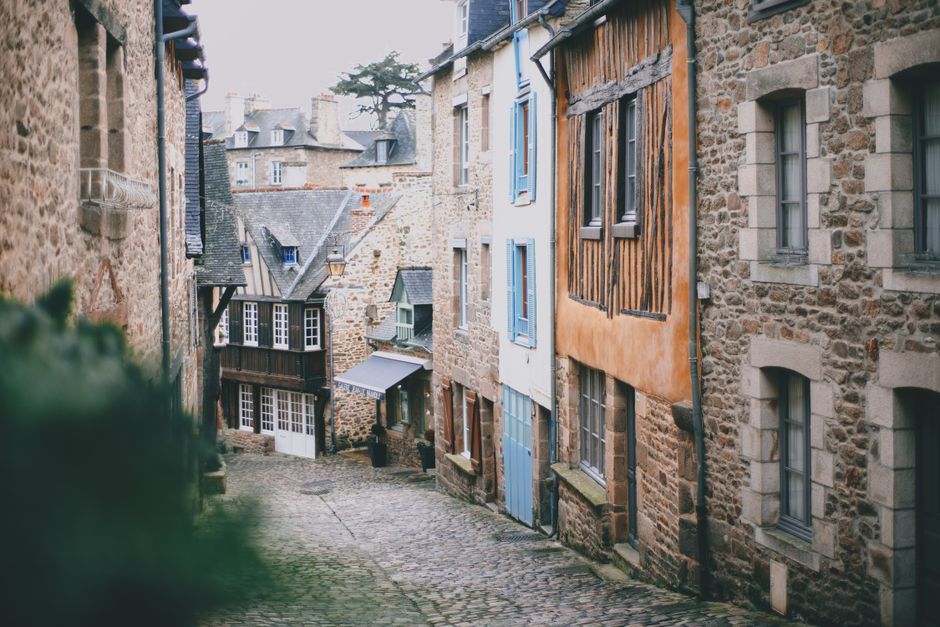
Photo by Maria Orlova on Pexels
What to pack for a trip that moves slowly
Pack for repetition. Three good outfits are more useful than eight aspirational ones. Choose shoes that are comfortable on platforms and cobbled streets, a layer for cool carriages, a small wash bag and one object that makes a train compartment feel like yours.
Keep essentials in a personal bag rather than buried in your main luggage. Passport, medication, charger, earplugs, water, a snack and a downloaded copy of every ticket should be accessible without opening the whole case.
A soft-sided bag is easier on trains. So is a willingness to carry less. The micro-retirement is not the place to bring a wardrobe for every possible photograph. You are trying to make the journey feel lighter.
The return home matters too
Do not arrive home at midnight and expect the trip to have restored you. If possible, return one day before work. Keep the final evening simple. Unpack, buy groceries, and let the ordinary world return gradually.
The point is not to avoid real life. It is to return to it with a different sense of scale. An eight-day trip cannot solve a difficult year, but it can remind you that time is not only something to manage. It is something to inhabit.
The fine address
The best trip is not the one that gives you the most proof. It is the one that gives you back a part of yourself you had stopped noticing.
Take the train when it makes the journey better. Stay three nights when one would technically do. Choose the smaller place with a real morning. Leave one day empty. Let eight days become a month in memory—not because you saw everything, but because you were finally present for where you were.
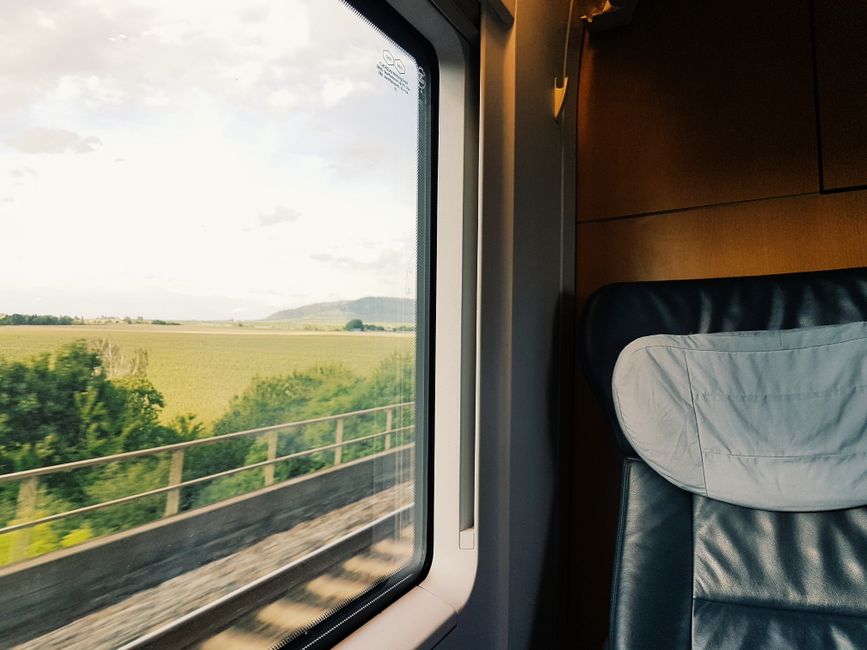
Photo by Daniel Frese on Pexels
Questions we get asked
Before you book
- What is a travel micro-retirement?
- It is a deliberately restorative trip taken during working life rather than postponed until traditional retirement. The focus is on a slower rhythm, meaningful experiences and enough time in each place to feel present.
- Can an eight-day Europe trip really feel longer?
- Yes, if you reduce the number of bases, avoid losing full days to airport logistics and leave room for unplanned time. Familiarity and contrast make a short journey feel more spacious.
- Is travelling Europe by train always cheaper than flying?
- No. Compare the full journey, including baggage, airport transfers, extra hotel nights and the value of lost time. Rail is often most attractive when the route connects city centres or includes an overnight service.
A considered conversation
Comments
Some links in this guide are affiliate links. If you book through them we may earn a commission at no extra cost to you — it never changes what we recommend. Read our disclosure.