The new Brussels–Milan night train turns a flight route into a journey worth remembering. Here is how to choose a compartment, plan the morning arrival and build a better European itinerary around the railway.
There is a particular pleasure in arriving somewhere before the day has properly begun. You wake to a different language on the platform, find a coffee, and realise that the hours you would have spent in an airport have carried you across a continent instead.
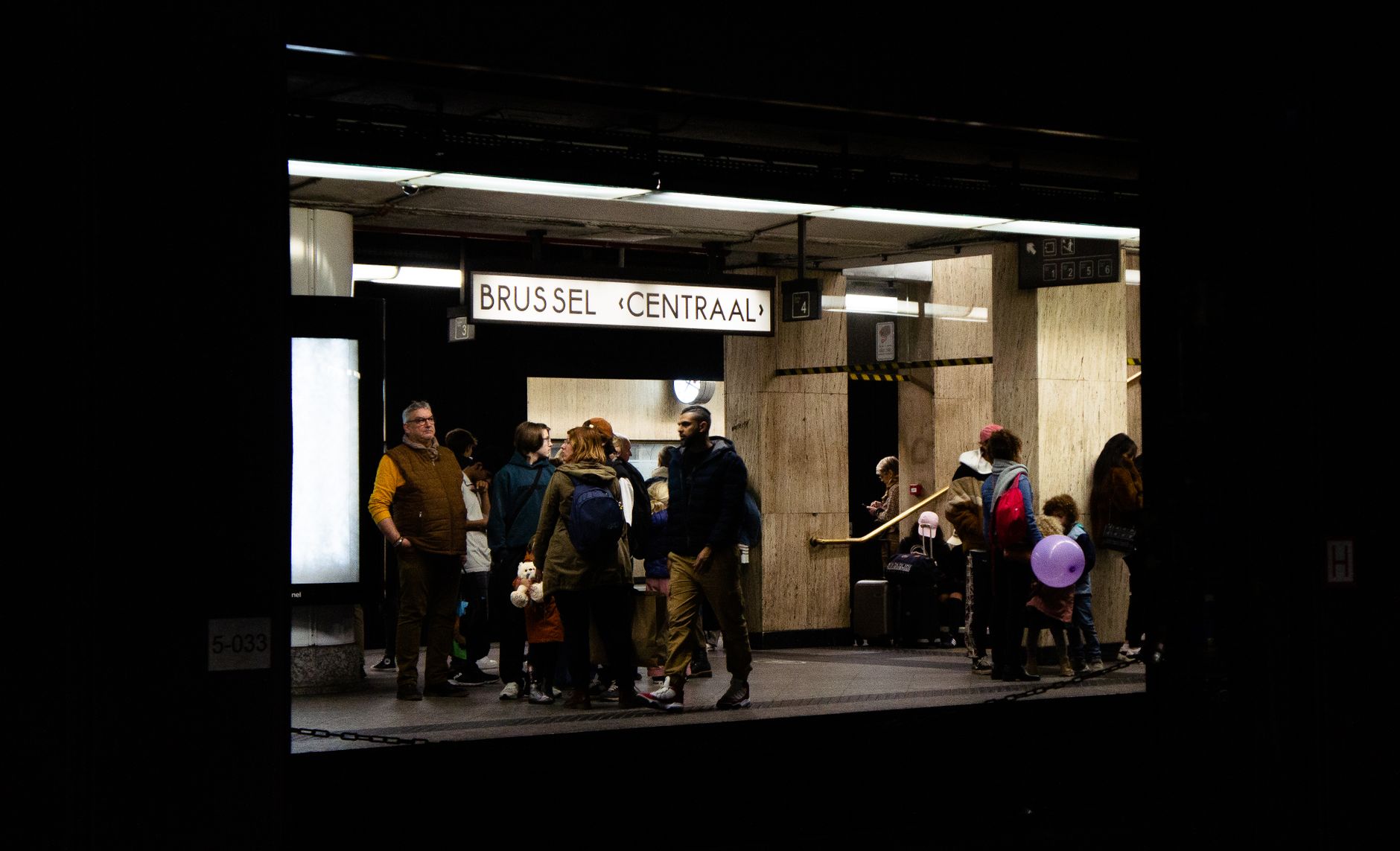
That is the appeal of the new Brussels–Milan night train. Launched in September 2026 by European Sleeper, the route connects Brussels with northern Italy overnight, with stops including Cologne, Aarau, Bellinzona, Lugano and Lake Como. It is not a luxury hotel on rails, and it is not a replacement for every flight. But for the right trip, it offers something increasingly rare: a journey that is useful, memorable and part of the story.
Why this route matters now
European night trains are having a complicated renaissance. The demand is clear, but the network is still uneven. Back-on-Track’s 2026 map records 205 regular sleeper lines across Europe and five new connections, including European Sleeper’s Paris–Berlin and Brussels–Milan services. At the same time, several older routes have disappeared or been shortened.
That tension is exactly why the Brussels–Milan route is interesting. It is not a vague promise that night trains are coming back someday. It is a bookable route with a useful city pair and a sequence of stops that opens up a different kind of European itinerary.
European Sleeper currently describes Brussels–Milan as one of three overnight routes, alongside Paris–Berlin and Brussels–Prague. The company says the Brussels–Milan service runs three days a week, with plans to increase frequency. Schedules and fares can change, so check the operator’s live timetable before building a fixed itinerary.
The route is the destination
The obvious reason to take the train is to move between Brussels and Milan without losing a day. The better reason is that the route makes several smaller, more considered trips possible.
You might begin with two nights in Brussels, board after dinner, and wake near the Italian lakes. Or you could use Milan as the beginning of a slower northern Italian journey, continuing by day train towards Verona, Bologna or the Dolomites. The route also makes a return journey feel less repetitive: fly into one city, travel overnight to the other, and let the rail line become the hinge of the trip.
The stops are especially appealing because they are not simply airport substitutes. Cologne can be the start of a Rhine and Alpine journey. Aarau and Bellinzona offer access to Switzerland without requiring a separate long-haul transfer. Lugano and Lake Como turn the arrival into a lake-country trip rather than a straightforward city break.
The important thing is not to attempt all of them in one itinerary. Choose one overnight journey and one meaningful stop. A night train rewards restraint.
What the overnight experience is actually like
Set your expectations correctly. This is a sleeper train, not a private rail hotel with a spa, a restaurant car and a perfectly silent cabin. Compartments are compact. Timings can move. The best sleep depends on the people sharing your carriage, the route and your own ability to settle into an unfamiliar rhythm.
European Sleeper offers several travel formats, from seats and shared compartments to private compartments for couples, families and small groups. The company describes its private compartments as suitable for up to five people. Pets are accepted in private compartments with a surcharge, while bicycle transport is not bookable throughout 2026 according to the current operator information.
For a first journey, a private compartment is the most comfortable choice if the fare fits your budget. It gives you a place to change, keep your bags organised and close the door. A shared compartment can be perfectly pleasant for solo travellers who enjoy the social side of rail travel, but pack with the assumption that the space will be smaller than a hotel room.
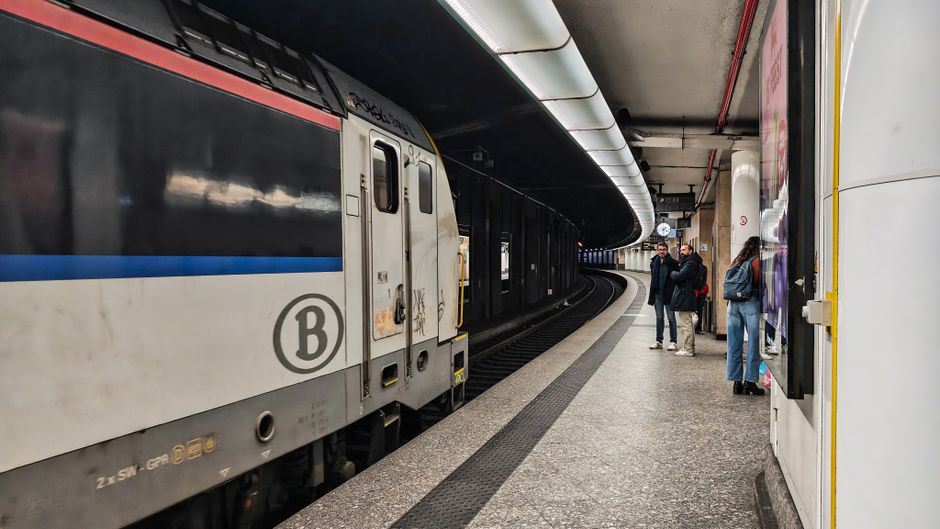
Photo by Devansh Shah on Pexels
The right way to plan the day before
The best night-train journeys begin with a deliberately light departure day. Do not schedule a long museum visit, a distant lunch and a final-hour cross-city transfer before boarding. You want to reach the station with enough time to eat, charge your phone and understand where you are going.
A simple departure routine works well:
| Before boarding | Why it matters |
|---|---|
| Eat an early, proper dinner | The onboard food offer may be limited or unavailable |
| Charge devices and download tickets | Station Wi-Fi and reception are not guaranteed |
| Keep a water bottle and small snack | Useful after the lights go down |
| Pack sleep essentials in a small pouch | Avoid opening the whole suitcase in the compartment |
| Arrive with a buffer | Stations are less intuitive at night than airports |
Keep your main luggage compact enough to lift and store yourself. A soft bag is easier than a rigid case, particularly when the compartment is shared. Put a light layer, toothbrush, medication and earplugs in a small day bag before you board.
What to do when you arrive in Milan
The first morning is where the route either feels brilliant or exhausting. Do not book an important meeting, a timed tour or a non-refundable intercity connection immediately after arrival. Give yourself a margin.
Milan is a good arrival city because it offers several ways to ease into the day. You can have breakfast, leave your bags at the hotel and walk through Brera before the busiest hours. You can take a slower coffee near the centre, visit one museum or simply use the morning to reset before continuing.
If Milan is only a gateway, build in at least one night. The train may arrive earlier or later than expected, and the value of a sleeper disappears if you spend the first day chasing a connection. A well-placed night in Milan is not wasted time; it is insurance against turning the journey into a logistical test.
Three itineraries that make sense
Brussels to Milan, then the lakes
Spend two or three nights in Brussels, take the overnight train, and use Milan as a short arrival stop before continuing to Lake Como or Lugano. This is the cleanest option for travellers who want the train to connect two different moods: northern European city life and lake-country Italy.
Milan to Brussels, with a slower Italian beginning
Start with several nights in Milan, then take a day train to a smaller northern Italian base before returning to Milan for the overnight journey north. This works well when the train is the final chapter of the trip rather than the opening move.
The route as a two-city long weekend
For a shorter break, fly or take a daytime train into Brussels and return from Milan, using the sleeper in one direction. This avoids repeating the same journey and gives you two cities without adding a domestic flight.
The third option is the most shareable, but the first is the most relaxing. Choose based on whether you want the train to be the headline or the connective tissue.
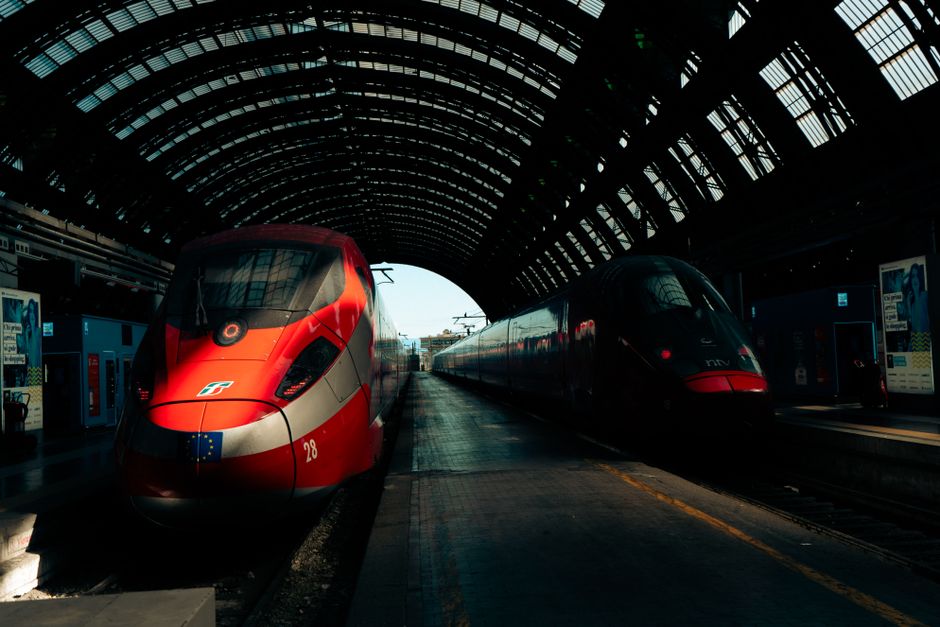
Photo by Yender Fonseca on Pexels
How to book without overcomplicating it
Start with the operator’s own live route and departure calendar. European Sleeper currently advertises selected November and December departures from €49.99, but these are limited offers and should not be treated as a typical fare. The useful comparison is not simply the cheapest ticket. It is the complete cost of flying, including airport transfers, baggage, meals and the value of the day you would otherwise lose.
Check the following before paying:
- The exact operating day for your departure.
- Whether your chosen accommodation is a seat, shared couchette or private compartment.
- Arrival time and the distance from the station to your hotel.
- Connection protection if you are adding another ticket after arrival.
- Change and cancellation conditions.
- Whether your Interrail or European Sleeper pass requires a separate reservation.
Do not build a tight multi-ticket itinerary around a promotional fare. Leave a buffer before a wedding, cruise, flight or important event. Night trains can be remarkably convenient, but they are still part of a live railway network with maintenance, weather and operational changes.
Is it better than flying?
Sometimes. A flight remains the sensible option when the dates do not align, the fare is dramatically lower or you need to arrive at a precise hour. The sleeper wins when the cities are naturally connected, the departure station is easy to reach and you value arriving in the centre rather than at the edge of a metropolitan area.
It also changes the emotional shape of the journey. You do not spend the whole day in transit. You have dinner in one city, sleep while the landscape changes and begin again somewhere else. That is not automatically more comfortable, but it is often more memorable.
The fine address
The new Brussels–Milan night train is worth taking because it gives Europe back a sense of sequence. Brussels does not have to be an isolated city break, and Milan does not have to be the end of a flight search. Between them is a night, a handful of useful stops and the possibility of arriving with a story already underway.
Book it for the journey you want to remember, not simply the flight you want to avoid. Take one meaningful stop, leave room on the morning of arrival, and pack as though the compartment is smaller than your optimism. Wake up somewhere new. That is still a very good way to travel.
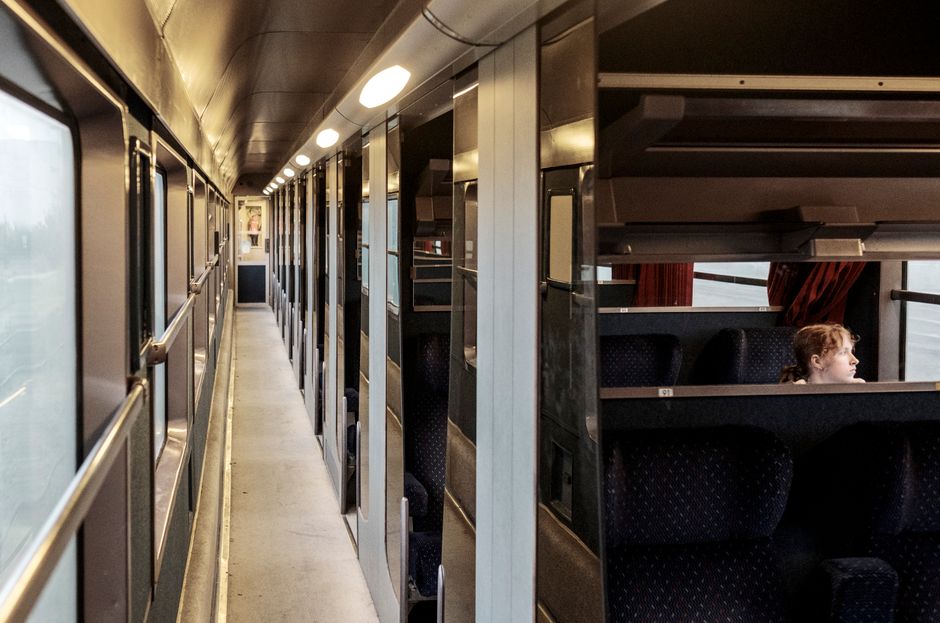
Photo by pierre matile on Pexels
Questions we get asked
Before you book
- Does the Brussels–Milan night train run every night?
- No. The current operator information says the service runs three days a week, so check the live departure calendar before planning the rest of the itinerary.
- What cities does the Brussels–Milan night train serve?
- The route connects Brussels with northern Italy and includes stops such as Cologne, Aarau, Bellinzona, Lugano and Lake Como. Exact stops and schedules should be checked against the live timetable.
- Is a private compartment worth booking?
- For couples, families or light sleepers, a private compartment can make the overnight experience more comfortable. Shared compartments are a more affordable option for travellers who are happy with a social, compact journey.
A considered conversation
Comments
Some links in this guide are affiliate links. If you book through them we may earn a commission at no extra cost to you — it never changes what we recommend. Read our disclosure.