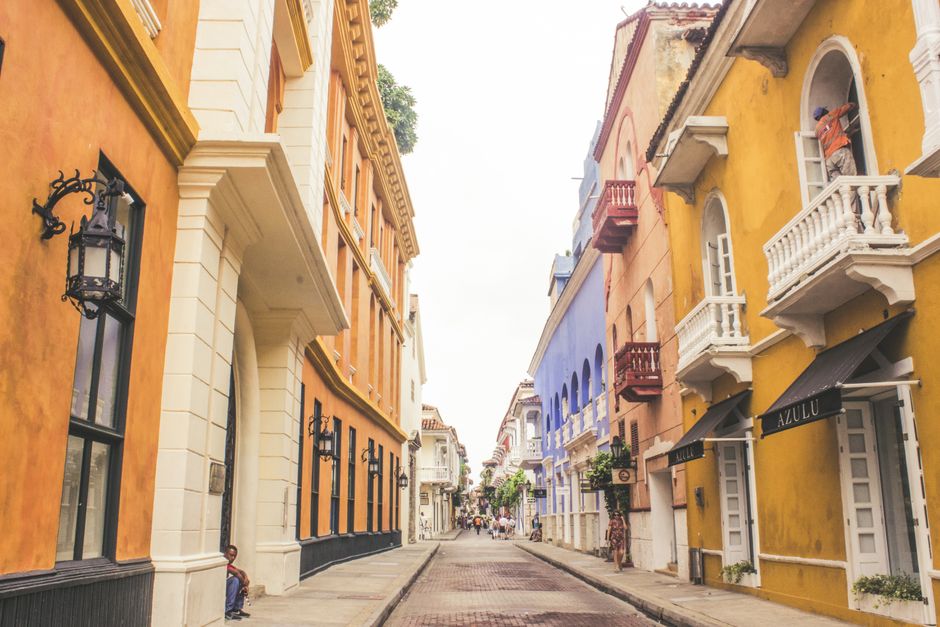

October is the month when the Mediterranean stops performing for summer and starts behaving like itself. These three kinds of trip offer warmth, culture and good food without requiring the pace or prices of August.
October is the Mediterranean’s most honest month. The heat has eased, the light has softened and the places that remain open are usually open because people live there, not because a summer crowd has arrived. You may not get a perfect beach day every day, but you can get a better version of the trip: a table without a queue, a walk without a performance and a hotel that feels like a place rather than a seasonal machine.
The mistake is to ask October to behave like August. Build the trip around the pleasures that improve when the temperature drops: long lunches, coastal walks, museums, markets, vineyards and evenings that do not require an air-conditioned room. Choose one of the following kinds of address and the month will usually reward you.
1. A southern European city with a life beyond summer
The most reliable October Mediterranean trip is a city with enough ordinary life to remain interesting after the beach season. Think of a place with a food market, a serious museum, a walkable historic centre and neighbourhood restaurants that serve local people as well as visitors.
A city also gives you options when the weather changes. You can spend a wet afternoon in a gallery, take a long lunch or move between cafés without losing the day. This matters more than a promise of a specific temperature. The better question is whether the city would still be worth visiting if you needed a jacket.
Book a hotel near the part of the city you want to experience on foot. In October, a beautiful rooftop is less important than a warm lobby, a good breakfast and a short route to dinner. You will use those things every morning and evening.
What to do with four days
Give the first day to orientation rather than landmarks. Walk the market, find the coffee you like and understand how the neighbourhoods connect. Use the second day for the obvious cultural anchor, then leave the third loose for a longer lunch or a day trip. On the fourth day, return to the place you liked most instead of trying to add another district.
The city should feel slightly unfinished when you leave. That is a good reason to return, and a better sign than a schedule that contains everything.
2. A coast chosen for walking, not guaranteed swimming
A coastal town can be wonderful in October if you are honest about the sea. Swimming may be possible, but it should be a bonus rather than the structure of the holiday. Choose a coast with a path, a harbour, a historic centre or a sequence of villages that can be enjoyed in layers.
The reward is space. The road may be easier, the restaurants less pressured and the view easier to have to yourself. The light is often especially good for walking, though the wind can make a sheltered hotel terrace more valuable than an exposed beach bar.
Check what is still open. The most beautiful small town can become inconvenient when the ferry runs less often, the only grocery closes early and half the restaurants have already finished their season. A larger coastal base may offer less romance but a much better October experience.

The October coastal test
Before booking, check four things: the hotel’s operating dates, the nearest useful airport or rail connection, the restaurant pattern and what you can do for half a day without a car. If the answer to all four is clear, the coast is likely to work. If every answer depends on summer services, choose a different address.
A good coastal day needs very little. Start with a walk, stop for something salty and local, swim if the water invites you, then return to the hotel before dinner. The point is not to fill every hour. It is to let the shore set the tempo.
3. An island with a real off-season life
Islands are tempting in October because the image is so persuasive: blue water, an empty harbour and a room with a view. The reality depends on the island. Some have towns, ferries and restaurants that remain lively. Others become difficult the moment the summer timetable ends.
Choose an island with a working community and more than one way to spend a day. A good off-season island has a main town, local food, short walks, historic sites or a landscape that does not require a beach club to enjoy. It should have enough practical life that a rainy afternoon feels like a change of plan, not a crisis.
Stay in the town before choosing the view
In high summer, the isolated hotel can feel like the point. In October, a central base is often better. It gives you an easy dinner, a shorter transfer and the freedom to decide each morning whether you want a boat, a walk or a quiet day. If you choose a remote address, make sure the hotel itself can carry the trip when the weather turns.
Do not assume that an empty island is a secret bargain. Seasonal reductions can be offset by limited transport, closed restaurants and fewer room categories. Price the complete experience, including transfers and meals, rather than comparing only the nightly rate.
| October trip | Best for | Main strength | Main risk |
|---|---|---|---|
| Southern city | Food, museums and flexible days | Many weather-proof options | Can feel busy around events |
| Walkable coast | Light, sea air and slow days | Space and easier reservations | Wind and seasonal closures |
| Lived-in island | A real change of rhythm | Strong sense of place | Reduced transport schedules |
Food is the safest October plan
The month comes into its own around the table. Look for markets, harvests, local fish, late-season fruit, olive oil and restaurants that have a reason to be open beyond visitors. A food-led itinerary is resilient: it still works when the sea is too cool or rain changes the plan.
Book one special meal, then keep the rest of the week flexible. Shoulder season is best when you can follow a recommendation from someone local rather than protecting a summer reservation calendar. If a restaurant has closed, there is usually another place worth finding.
Photo by mark soetebier on Pexels
What to pack and what not to expect
Pack layers and shoes you can walk in for hours. A light waterproof layer is more useful than a second pair of sandals. Bring swimwear because you may be glad you did, but do not make the quality of the trip depend on sea temperature. The best October wardrobe is one that lets you continue when the sky changes.
Do not expect every beach service to operate, every boat trip to run or every hotel facility to feel fully staffed. That is not necessarily a problem. It is simply the nature of the month. Choose a place whose permanent character matters more than its seasonal extras.
The fine address
October is not a consolation prize for missing summer. It is a different kind of Mediterranean: less polished, more spacious and more connected to the life that continues after the high season. Choose a city with options, a coast made for walking or an island that remains itself after the ferries thin out. Then leave room for the weather to edit the itinerary.
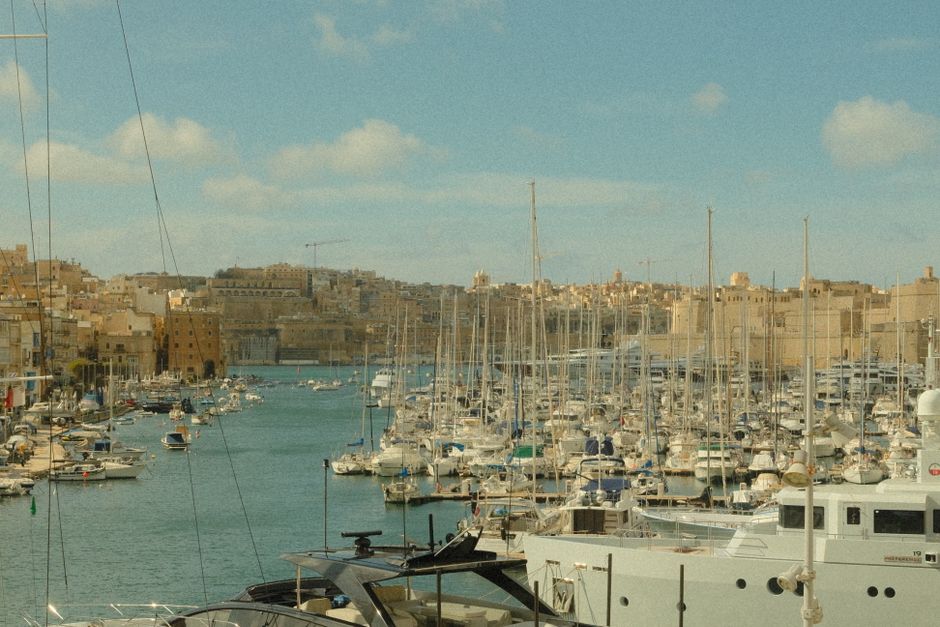
Photo by Alyona Nagel on Pexels
Questions we get asked
Before you book
- Is October warm enough for a Mediterranean holiday?
- Often, but conditions vary widely by coast and year. October is safest when the trip has more than swimming in it: good food, walkable towns, museums, markets and a hotel where a cooler evening still feels pleasant.
- Are Mediterranean hotels open in October?
- Many are, especially in cities and larger towns, but small seasonal properties may close or reduce services. Check the actual operating dates, restaurant hours and transfer options before booking.
- What should I pack for the Mediterranean in October?
- Pack for layers: light daytime clothes, a shirt or knit for evenings, comfortable shoes and a compact rain layer. A swimsuit is worth bringing, but it should not be the only plan.
A considered conversation
Comments
Some links in this guide are affiliate links. If you book through them we may earn a commission at no extra cost to you — it never changes what we recommend. Read our disclosure.