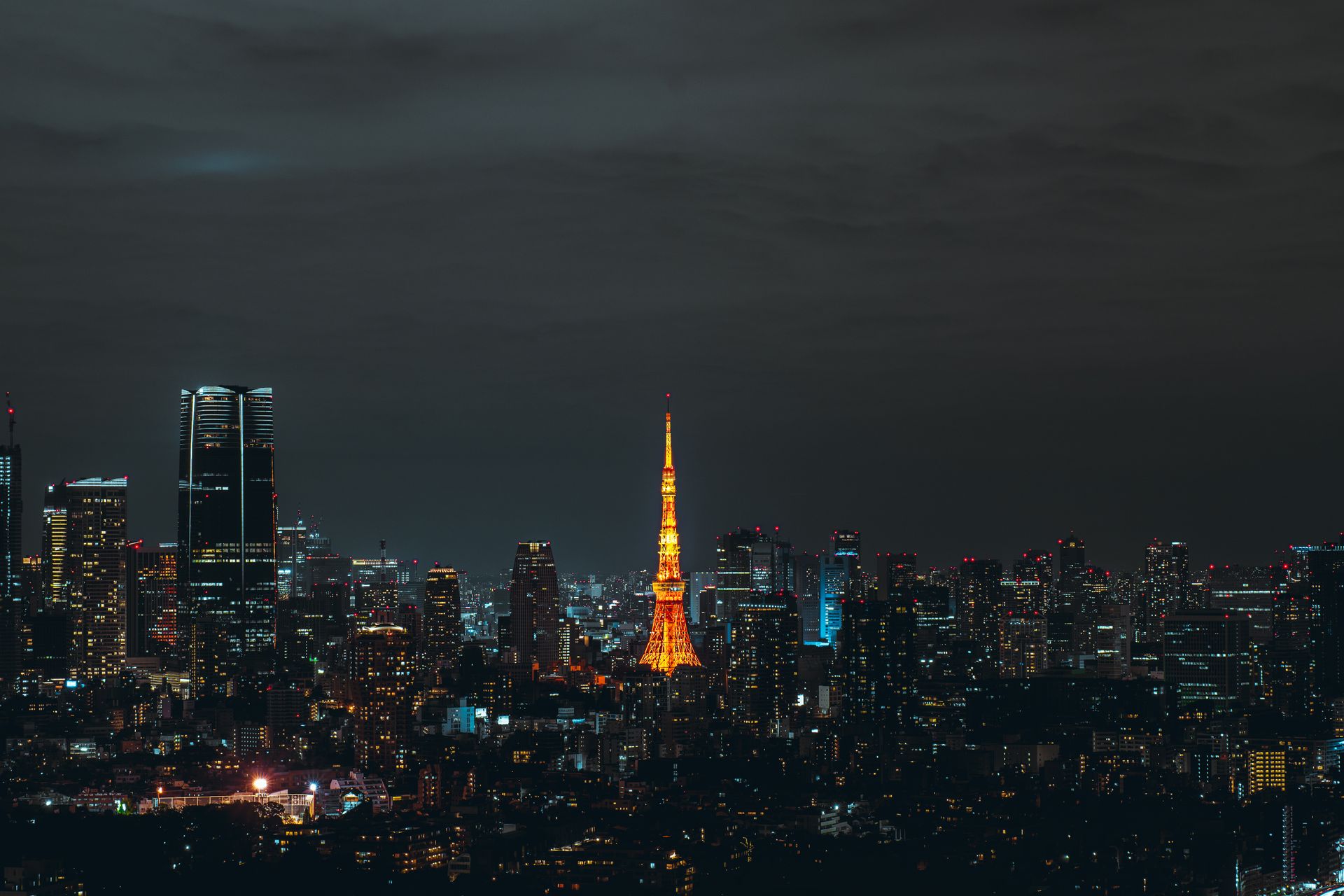
Tokyo is a city best understood from above. But not all skyline views are created equal, and paying a premium for a high floor doesn't guarantee a good perspective.
Tokyo is a city that makes no sense from the ground. At street level, it is a chaotic, thrilling tangle of overhead cables, narrow alleys, and neon signs competing for your attention. To truly understand the scale of this metropolis, you have to get above it. The search for the best luxury hotels tokyo city view is not just about finding a place to sleep; it is about finding a vantage point to comprehend the sheer magnitude of the Japanese capital.
But here is the truth that hotel marketing brochures will not tell you: paying a premium for a high floor does not guarantee a good perspective. Some of the most expensive rooms in the city look out onto nothing but grey office blocks, while some mid-tier design hotels offer perfectly framed vignettes of the urban sprawl. Furthermore, even at the highest price points, Tokyo hotel rooms are small. You are paying for the location, the service, and, crucially, the view.
Over the years, I have spent countless nights in Tokyo's high-rise hotels, watching the city transition from the hazy grey of morning to the electric blue of twilight. I have learned which neighbourhoods offer the best base for exploring, which skyline rooms are genuinely worth the money, and which views are entirely overrated.
Shinjuku: The Classic Neon Skyline
When most people picture Tokyo, they picture Shinjuku. This is the Tokyo of Lost in Translation, a dense forest of skyscrapers bathed in the glow of massive digital billboards. If you want that classic, cinematic experience, this is where you stay.
The Park Hyatt Tokyo is the obvious choice here, occupying the top floors of the Shinjuku Park Tower. The views are undeniably spectacular, stretching across the Kanto Plain and, on a clear winter morning, all the way to Mount Fuji. However, the hotel is currently undergoing a massive renovation, and even before it closed, the rooms were beginning to feel their age.
Instead, consider the Bellustar Tokyo, a newer addition to the Shinjuku skyline. Located in the upper reaches of the Tokyu Kabukicho Tower, it offers a more contemporary take on luxury. The rooms are sleek and minimalist, allowing the floor-to-ceiling windows to take centre stage. The view here is less about distant mountains and more about the immediate, visceral energy of Kabukicho below.
The downside of Shinjuku is the station. It is the busiest railway station in the world, a labyrinthine complex that can be overwhelming even for seasoned travellers. If you choose to stay here, you are trading ease of transit for dramatic views.
Marunouchi: Refined Elegance and Transit Convenience
If Shinjuku is the chaotic heart of Tokyo, Marunouchi is its polished, corporate counterpart. Situated between the Imperial Palace and Tokyo Station, this neighbourhood is characterized by wide, tree-lined avenues and high-end boutiques. It is arguably the most convenient base in the city, offering direct access to the Shinkansen (bullet train) and multiple subway lines.
The hotels here tend to be more understated than their Shinjuku counterparts. The Aman Tokyo is the standout, a masterclass in modern Japanese design. The lobby, with its soaring washi paper ceiling, is one of the most impressive architectural spaces in the city. The rooms are vast by Tokyo standards, and the views over the Imperial Palace gardens provide a rare glimpse of green in this concrete jungle.
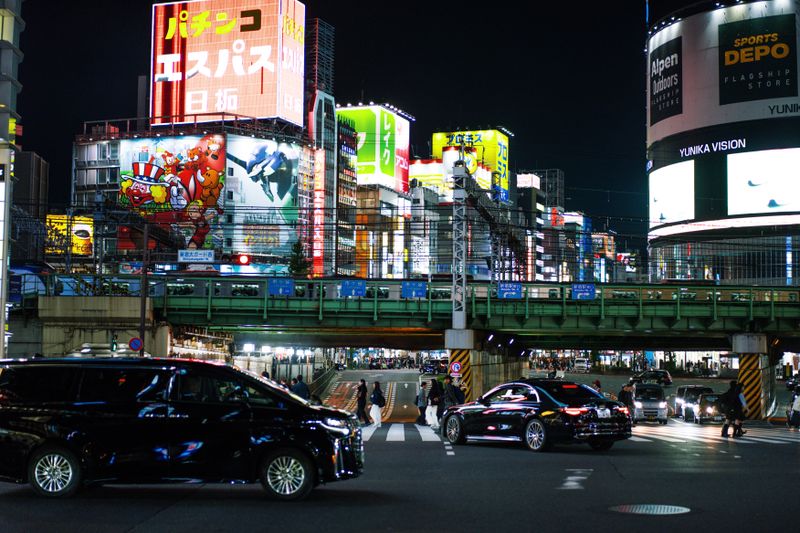
Photo by Faruk Tokluoğlu on Pexels
Nearby, the Palace Hotel Tokyo offers a similar perspective but with a slightly more traditional feel. The rooms with balconies are highly sought after, allowing you to step outside and take in the city air—a rarity in Tokyo's high-rise hotels.
While Marunouchi lacks the neon-drenched excitement of Shinjuku, it makes up for it in sheer refinement. It is the perfect choice for those who prioritize comfort, service, and seamless logistics.
Roppongi and Toranomon: The Modern Hubs
In recent years, the centre of gravity for Tokyo's luxury hotel scene has shifted south towards Roppongi and Toranomon. These neighbourhoods have seen massive redevelopment, resulting in a cluster of ultra-modern skyscrapers housing some of the city's most prestigious properties.
The Ritz-Carlton, Tokyo, located in the Tokyo Midtown complex in Roppongi, is a classic choice. The views from the Club Lounge are exceptional, taking in both the Tokyo Tower and the distant silhouette of Mount Fuji. However, the decor leans heavily towards traditional European luxury, which can feel slightly incongruous in such a modern setting.
For a more contemporary experience, the Tokyo EDITION, Toranomon is hard to beat. Designed by Kengo Kuma, the hotel is a lush, plant-filled oasis in the sky. The rooms are relatively compact, but the design is impeccable, featuring pale wood and clean lines. The real draw here is the view of the Tokyo Tower, which feels close enough to touch from the outdoor terrace.
Ginza and Nihonbashi: Low-Rise Luxury
Not every great hotel in Tokyo is a skyscraper. In neighbourhoods like Ginza and Nihonbashi, strict zoning laws have kept building heights relatively low. What you lose in sweeping panoramic views, you gain in a stronger connection to the streetscape.
The Tokyo Station Hotel, located inside the historic red-brick station building, is a prime example. The views here are not of the skyline, but of the bustling Marunouchi plaza and the intricate architectural details of the station itself. It is a completely different way to experience the city, one that feels more grounded and historical.
In Ginza, the Hyatt Centric Ginza Tokyo offers a stylish, mid-rise alternative. The views are mostly of the surrounding luxury boutiques, but the location is unbeatable for shopping and dining. It is a reminder that sometimes, the best view is the one right outside your front door.
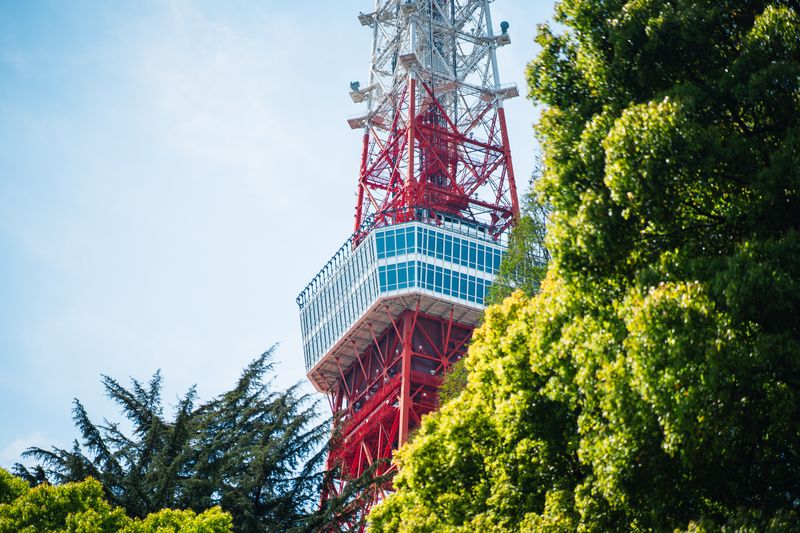
Photo by Szymon Shields on Pexels
Comparing the Neighbourhoods
To help you decide which area is right for your trip, here is a breakdown of the key neighbourhoods and what they offer.
| Neighbourhood | Best For | Vibe | Approximate Nightly Price |
|---|---|---|---|
| Shinjuku | Cinematic skyline views | Neon, chaotic, energetic | $600 - $1,200 |
| Marunouchi | Transit convenience and refinement | Polished, corporate, calm | $800 - $1,500 |
| Roppongi | Modern luxury and nightlife | International, sleek, lively | $700 - $1,400 |
| Ginza | Shopping and dining | Upscale, bustling, traditional | $500 - $1,000 |
| Nihonbashi | Historical connection | Quiet, grounded, cultural | $400 - $800 |
What I Would Skip
It is easy to get caught up in the hype when booking a luxury hotel in Tokyo, but not every premium experience is worth the cost.
First, I would skip the "Tokyo Tower View" premium at many hotels. While the tower is an iconic landmark, it is often better appreciated from a distance, where it can be seen in the context of the wider skyline. Paying an extra $200 a night just to have it framed in your window is rarely justified.
Second, be wary of older hotels in Shinjuku and Shinagawa that have not been renovated in the last decade. The views might be great, but the low ceilings, dated bathrooms, and worn carpets will quickly detract from the experience. Always check the date of the last major refurbishment before booking.
Finally, do not assume that a higher floor automatically means a better view. In some neighbourhoods, being too high up can actually disconnect you from the city, turning the streets below into an abstract pattern rather than a living, breathing environment. Sometimes, a mid-level floor offers the perfect balance of perspective and connection.
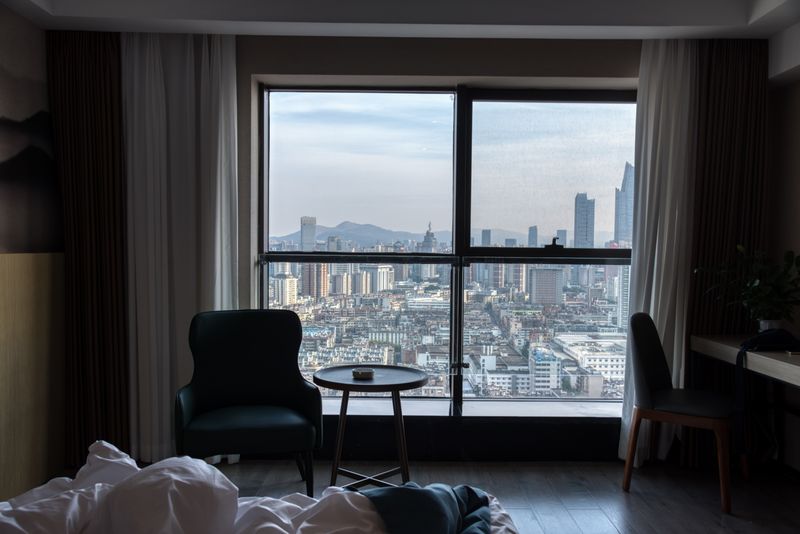
Photo by SweeMing YOUNG on Pexels
Practicalities: Planning Your Stay
When planning a trip to Tokyo, timing is everything. The best times to visit are late autumn (November) and early spring (April). The weather is mild, the skies are generally clear, and you avoid the oppressive heat and humidity of the Japanese summer.
If you are hoping to see Mount Fuji from your hotel room, winter is your best bet. The cold, crisp air significantly increases visibility, though it is never a guarantee.
In terms of duration, I recommend a minimum of four nights in Tokyo. The city is simply too vast to comprehend in a shorter timeframe. If you have a week or more, consider splitting your stay between two different neighbourhoods—perhaps starting in the chaotic energy of Shinjuku and ending in the refined calm of Marunouchi.
Getting around Tokyo is incredibly efficient, provided you understand the train system. The Yamanote Line (the circular loop that connects most major hubs) will be your best friend. When choosing a hotel, pay close attention to its proximity to a Yamanote Line station, or at least a major subway interchange. A hotel that looks close on a map might actually require a 15-minute walk through a confusing underground mall.
The Final Verdict
Choosing the best luxury hotels tokyo city view ultimately comes down to what kind of Tokyo you want to experience. Do you want the neon-drenched cinematic fantasy, or the polished, serene retreat?
If I were booking a trip for a friend tomorrow, I would point them towards the Aman Tokyo in Marunouchi. Yes, it is eye-wateringly expensive, but it delivers an experience that is genuinely flawless. The combination of the vast, serene rooms, the impeccable service, and the unique perspective over the Imperial Palace makes it the finest urban resort in the city.
For a slightly more accessible option, the Tokyo EDITION, Toranomon offers a brilliant balance of modern design, excellent dining, and dramatic views of the Tokyo Tower. It feels fresh, vibrant, and deeply connected to the current energy of the city.
Whatever you choose, remember that the view from your room is just the beginning. The real magic of Tokyo happens down at street level, in the tiny ramen shops, the hidden cocktail bars, and the endless, fascinating sprawl of the city itself.
Questions we get asked
Before you book
- Which Tokyo neighbourhood has the best hotel views?
- Shinjuku and Roppongi offer the most dramatic skyline perspectives, while Marunouchi provides excellent views of the Imperial Palace gardens and Tokyo Station.
- Are high-floor hotel rooms in Tokyo worth the premium?
- It depends on the hotel. In areas like Shinjuku, the height is essential to clear surrounding buildings. In lower-rise neighbourhoods, a mid-level floor often provides a better connection to the streetscape.
- Can you see Mount Fuji from Tokyo hotels?
- Yes, on clear winter mornings. Hotels in Shinjuku and western Tokyo have the best chance, but it is never guaranteed due to atmospheric haze.
Some links in this guide are affiliate links. If you book through them we may earn a commission at no extra cost to you — it never changes what we recommend. Read our disclosure.