Everyone wants a piece of Ubud's jungle magic, but finding a villa that actually delivers on the promise of silent, uninterrupted valley views takes work. Here is where to look when you want real privacy, not just a cleverly photographed corner.
The first time you wake up to the sound of a concrete mixer instead of a cicada, the illusion of the Balinese jungle retreat shatters. It is a common rite of passage for modern arrivals to the island. You book what looks like a serene escape, only to discover your infinity edge overlooks a neighbour's roof, and the soundtrack is less tropical birdsong and more angle grinder. Finding the best private pool villas Ubud Bali has to offer requires a healthy dose of scepticism and a willingness to look beyond the heavily filtered squares of social media.
Ubud is no longer the sleepy artists' village of the nineties. It is a bustling, traffic-choked hub of wellness cafes, yoga studios, and relentless development. But the magic that drew people here in the first place—the deep, plunging river valleys, the ancient banyan trees, the scent of clove and incense on the morning air—still exists. You just have to know exactly where to look, and more importantly, where to avoid.
The Geography of Privacy: Sayan, Payangan, and Beyond
When we talk about the best private pool villas ubud bali, we are rarely talking about central Ubud itself. The centre—radiating out from the market and the Monkey Forest—is entirely unsuitable for a quiet retreat. The roads are narrow, the traffic is often gridlocked, and the density of buildings means true privacy is almost impossible to achieve.
If you want that classic, sweeping view of a river gorge, you need to look west to Sayan or north to Payangan.
The Sayan Ridge is the traditional home of Ubud's heavy hitters. This is where the Ayung River cuts a deep, dramatic path through the landscape. The topography here is your greatest ally; villas are built into the steep sides of the valley, meaning your view is out over the canopy rather than into someone else's living room. The air feels cooler here, the vegetation thicker.
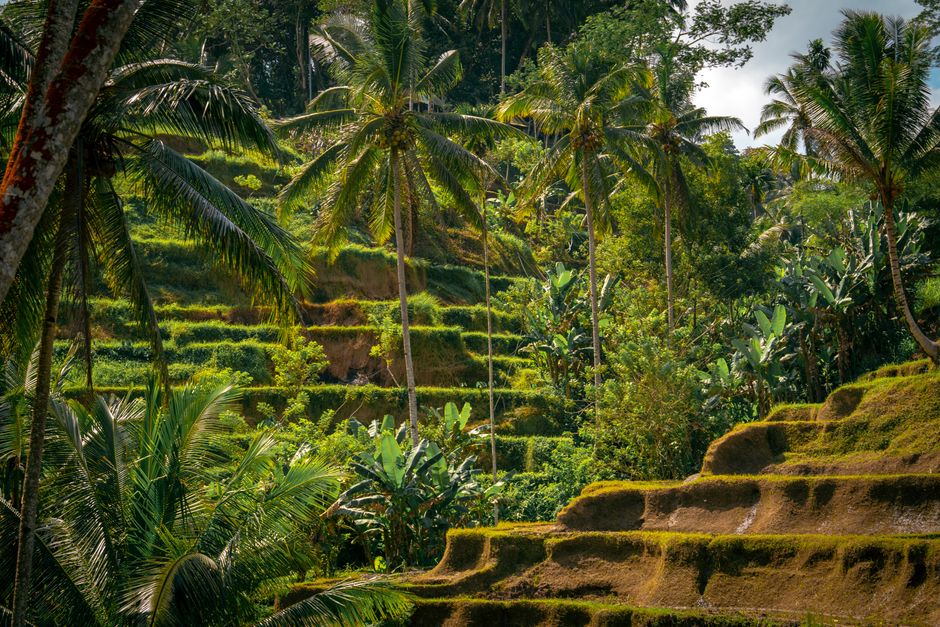
Photo by Leon Bastian on Pexels
Payangan, further north, offers a similar topography but with a slightly more remote feel. It takes longer to get into town from here, but the trade-off is a profound sense of isolation. When you sit on your terrace in Payangan, the only movement you are likely to see is a farmer tending to a distant rice terrace or a kingfisher diving toward the river.
What Makes a Villa Genuinely Private?
It is easy to photograph a pool to make it look isolated. A tight crop, a clever angle, and suddenly a plunge pool in a dense resort looks like a solitary oasis. When evaluating a property, you have to look for the tells.
First, consider the sightlines. A truly private villa has been architecturally designed to shield you from your neighbours. Look for properties that use natural topography and dense, mature landscaping as barriers, rather than just bamboo screens.
Second, ask the uncomfortable questions before you book. The most crucial question in Bali right now is: "Is there any active construction within earshot of this villa?" Do not accept a vague answer. Ask for a guarantee. The pace of development in and around Ubud is staggering, and a serene valley can be transformed into a building site in a matter of weeks.
Third, consider the access. If your villa is located right on a main road, you will hear the whine of scooter engines regardless of how thick the walls are. The best properties require a journey to reach them—down a winding village lane, perhaps, or via a buggy ride through a larger estate.
The Best Private Pool Villas Ubud Bali: A Realistic Comparison
To help you navigate the options, here is a breakdown of how different areas and styles compare when you are looking for that perfect jungle retreat.
| Area / Style | Best For | The Reality Check | Approx. Nightly Price |
|---|---|---|---|
| Sayan Ridge Luxury | Dramatic valley views, high-end service, architectural pedigree. | You are paying a premium for the location. Traffic into central Ubud can be tedious. | $500 - $1,200+ |
| Payangan Retreats | Total isolation, cooler temperatures, undisturbed jungle immersion. | It is a long drive to any external restaurants or shops. You will likely eat most meals on-site. | $350 - $800 |
| Central Ubud Outskirts | Walking distance to cafes, lower price point, vibrant atmosphere. | Genuine privacy is rare. Expect ambient noise from traffic, dogs, and roosters. | $150 - $400 |
| Sidemen Valley | What Ubud felt like twenty years ago. Terraced rice paddies, authentic village life. | It is a different region entirely (East Bali). Fewer luxury dining options nearby. | $200 - $500 |
The Sidemen Alternative
If your heart is set on the idea of Ubud from two decades ago, you might need to leave Ubud entirely. Sidemen, located about ninety minutes east, is often touted as the "new Ubud". It is a dangerous label, but there is truth to it.
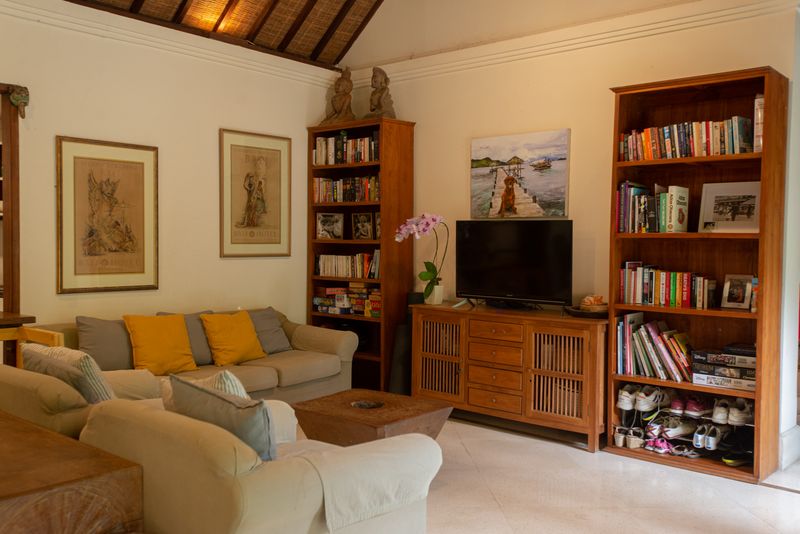
Photo by Didi Lecatompessy on Pexels
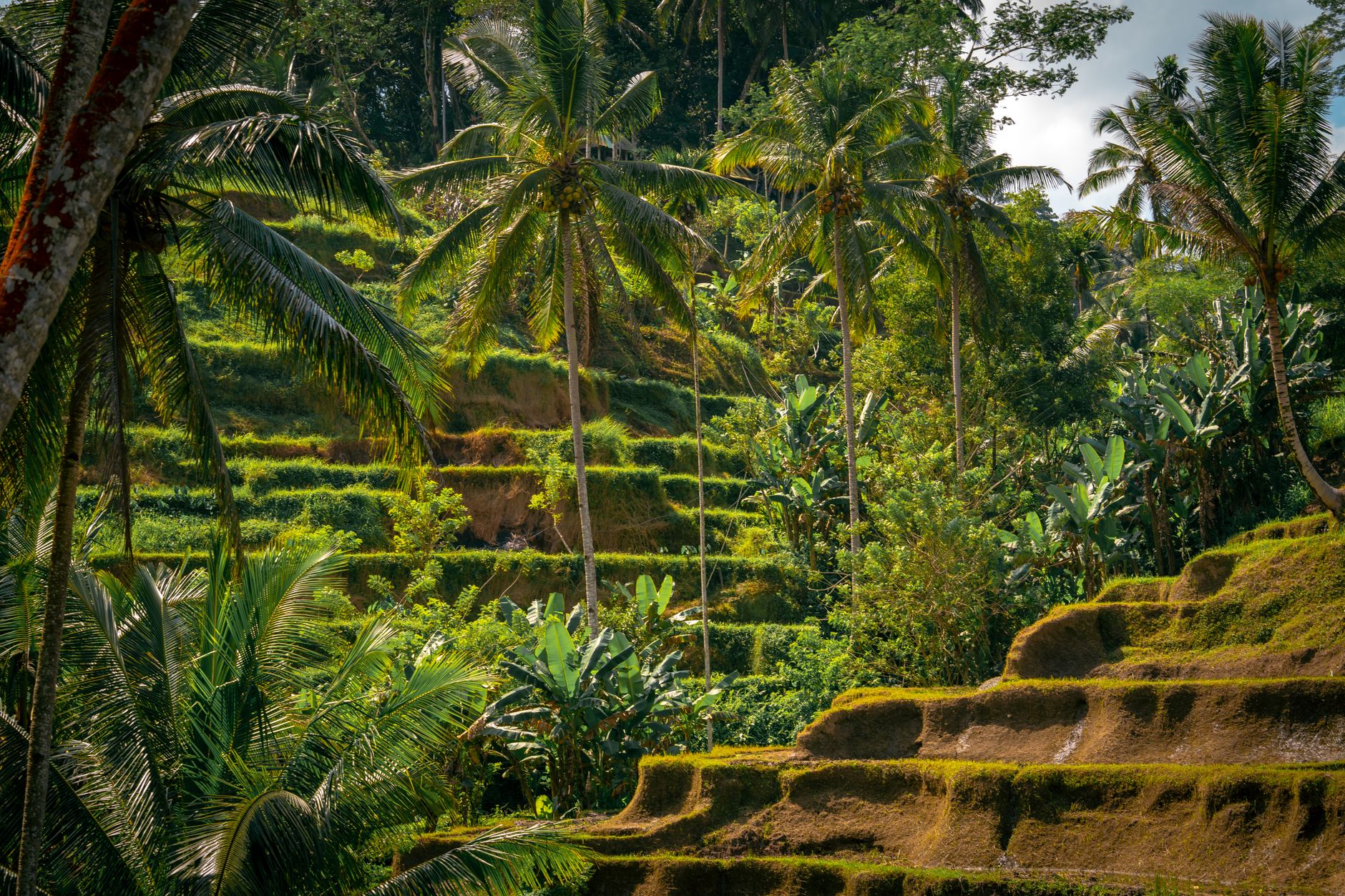
The landscape here is dominated by Mount Agung, and the valleys are wider, filled with working rice terraces rather than boutique hotels. The private pool villas here tend to be smaller, more boutique, and significantly quieter. You will not find the same density of high-end dining or wellness centres, but you will find a profound, unbroken silence that is becoming increasingly rare in central Bali. If your primary goal is to read a book by a pool without hearing a single engine, Sidemen should be on your shortlist.
The Realities of Getting Around
One of the most common mistakes visitors make is underestimating the traffic. A distance that looks like a ten-minute drive on a map can easily take forty-five minutes in a car.
If you are staying in a remote villa in Payangan or Sayan, you have two choices. You can embrace the isolation and treat the villa as your entire world for a few days, or you can brave the roads. If you choose the latter, a scooter is the only efficient way to move. However, Bali's roads are not the place to learn how to ride. If you are not already a confident, experienced rider, do not rent a scooter. The hospitals in Denpasar are full of tourists who thought they could figure it out on the fly.
Instead, rely on your hotel's shuttle service or hire a private driver for the day. It is an incredibly affordable luxury and removes the stress of navigating narrow, congested lanes.
Practicalities: When to Go and How Long to Stay
The dry season, from May to September, is universally recommended for a reason. The humidity drops to a manageable level, and the skies are generally clear. However, this is also when the island is at its busiest.
If you want to experience the best private pool villas ubud bali without the peak season premiums, consider the shoulder months of April and October. You might encounter a late afternoon downpour, but the rain in Bali is often a spectacular event in itself—watching a tropical storm roll up a river valley from the shelter of a covered terrace is a memory you will keep.
As for duration, three to four nights is the sweet spot for the jungle. It is enough time to decompress, have a few spa treatments, and perhaps take a morning walk through the rice fields. Any longer, and the isolation might start to feel confining.
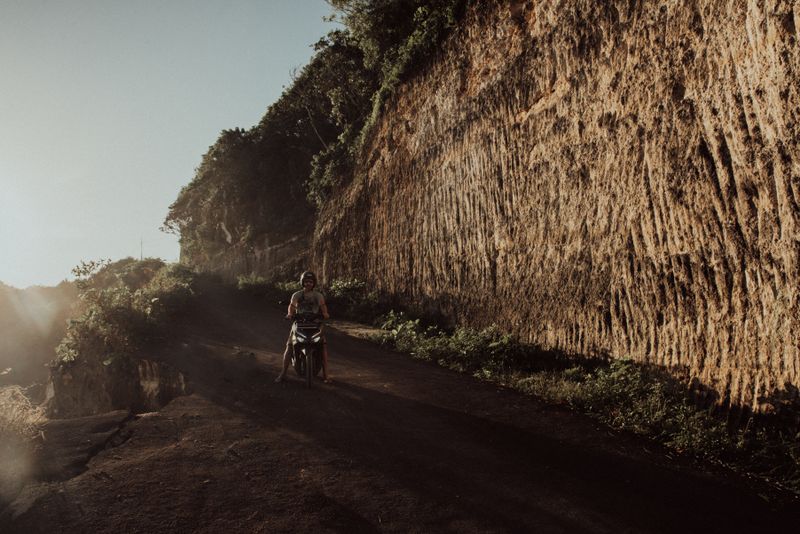
Photo by Alesia Kozik on Pexels
This brings us to the golden rule of Bali itineraries: always pair the jungle with the coast. After four days of deep green valleys and river sounds, you will be ready for the expansive blue of the ocean. Head south to the Bukit Peninsula—Uluwatu or Bingin—for dramatic cliffs and surf culture, or east to Sanur for a quieter, more traditional beach experience.
What I Would Skip
I would entirely skip the famous "Bali swings" and the heavily promoted rice terrace clubs like Alas Harum. They are crowded, overpriced, and designed entirely for content creation rather than genuine experience. You will spend more time queuing for a photograph than you will enjoying the landscape.
Similarly, I would avoid booking any villa that boasts about being "right in the heart of the action". In Ubud, the action is mostly traffic exhaust and construction noise. You do not want to be in the heart of it; you want to be looking down on it from a very safe, very quiet distance.
The Final Verdict
Finding the right place to stay in this part of the island requires a shift in expectations. You have to accept that the pristine, silent Ubud of the travel brochures is a very specific, highly curated slice of reality. But it does exist, provided you are willing to pay for the geography that guarantees it.
If I were booking a trip tomorrow, I would look exclusively at the Sayan Ridge for a short, highly luxurious stay, or I would bypass Ubud entirely and head to Sidemen for a longer, quieter retreat. I would insist on a property that guarantees no nearby construction, and I would plan to spend at least eighty percent of my time within the grounds of the villa itself.
The true luxury of Bali today is not a floating breakfast or a flower petal bath. It is silence. It is the ability to sit on a terrace and hear nothing but the wind in the palm fronds and the distant rush of a river. That is what you are really paying for, and when you find it, it is worth every single cent.
Closing Thoughts
The island is changing rapidly, and the window to experience its quieter corners is narrowing. But with careful planning, a healthy budget, and a willingness to ask the right questions, the jungle retreat you are picturing is still out there, waiting at the end of a winding, unmarked road.
Questions we get asked
Before you book
- Is it better to stay in central Ubud or outside?
- Always stay outside the centre if you want peace. Central Ubud is heavily congested with traffic and construction. Look to Sayan, Payangan, or even Sidemen for the jungle experience you are likely picturing.
- How much should I expect to pay for a private pool villa in Ubud?
- For genuine luxury and privacy, expect to pay between $300 and $800 per night. You can find cheaper options, but they often compromise on privacy, view, or build quality.
- Do I need to rent a scooter in Ubud?
- You do not need to, but it makes life much easier. Traffic is often at a standstill for cars, while scooters can weave through. If you are not a confident rider, hire a private driver for the day instead.
Some links in this guide are affiliate links. If you book through them we may earn a commission at no extra cost to you — it never changes what we recommend. Read our disclosure.